
Wines
Classic Penedès: an In-Depth Wine Profile
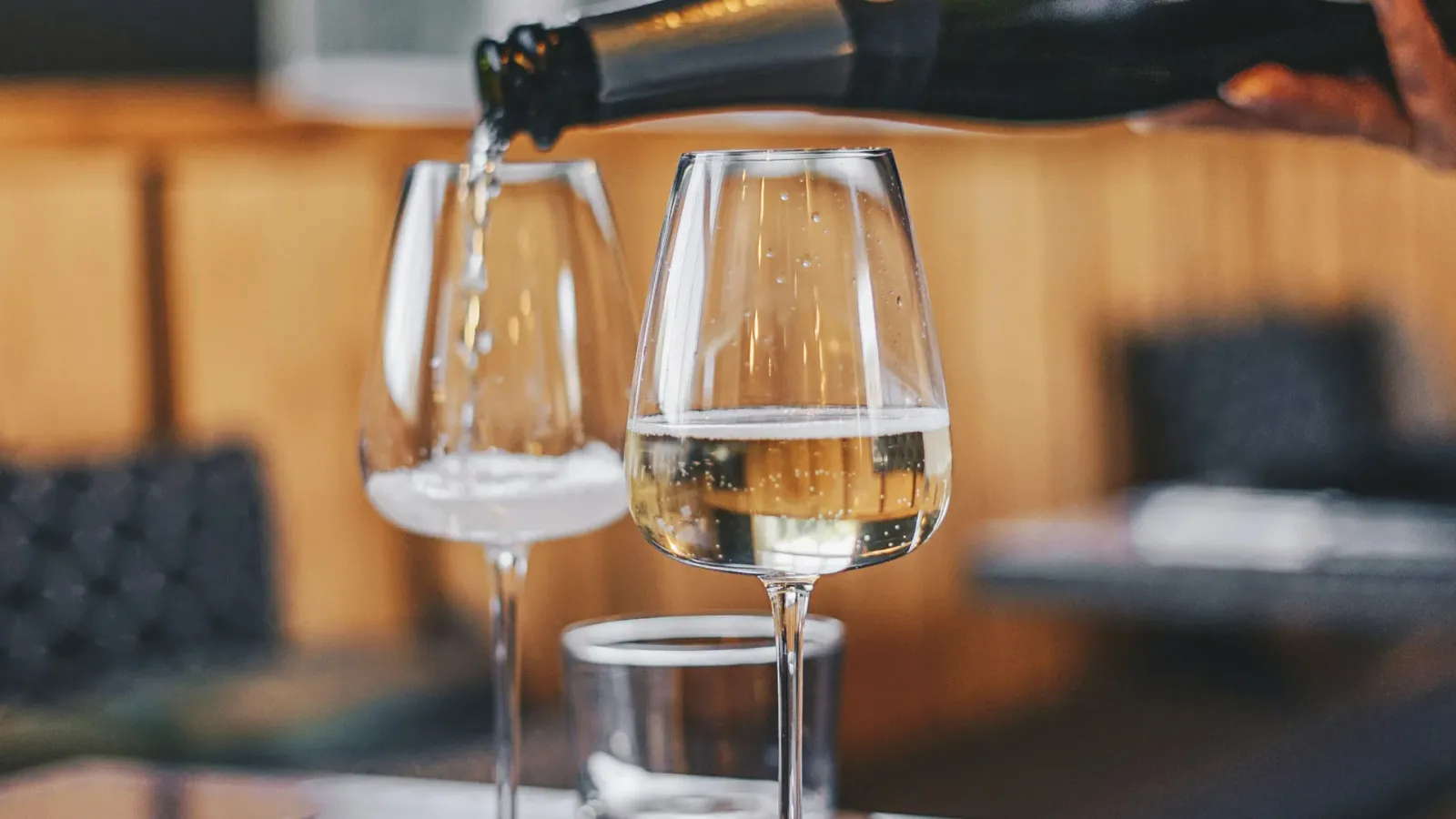
Picture a serene, sunlit vineyard nestled in the gentle rolling hills southwest of Barcelona. Here, the morning mist clings to lush grapevines, and the scent of Mediterranean herbs fills the air. This is Penedès, a Catalan gem where the tradition of crafting world-class sparkling wines began long before Champagne's fame. Home to the renowned Classic Penedès sparkling wines, this region boasts a winemaking history dating back to the 6th century BC, with ancient Roman villas featuring wine cellars that underscore wine's integral role in local life.
This guide is for wine lovers, travellers, and anyone curious about organic sparkling wines. At its core, Classic Penedès stands as the gold standard for organic and sustainable winemaking. We'll explore the history, grape varieties, wine styles, production methods, and food pairings that make Classic Penedès a benchmark for quality and sustainability. Whether you're a seasoned wine enthusiast, a traveller seeking authentic experiences, or someone interested in the world of organic sparkling wines, this article will help you discover why Classic Penedès matters: it embodies the future of wine through its commitment to excellence, authenticity, and sustainability.
What Makes Clàssic Penedès Unique?
Rather than flashy marketing, Penedès wines shine through their unique soils, Mediterranean climate, and bold flavours, making them perfect companions to dishes like grilled octopus or jamón ibérico. Imagine a limestone terrace, where the vines stretch across ancient rocks that soak up the day's sunlight and radiate warmth back into the cooler nights. This limestone offers a mineral edge to the wines, enhancing their crispness and complexity. Further down in the clay valleys, the soil retains more moisture, providing a different set of nutrients. Here, the wines absorb these earthy flavours, giving them a boldness and depth that is instantly recognizable. The Classic Penedès classification was born to highlight these high-quality, terroir-driven sparkling wines, setting them apart from mass-produced Cava.
Dive into a region where centuries-old tradition meets modern sustainability, and every bottle tells a story worth savouring.
Understanding DO Penedès
DO Penedès isn't just a bureaucratic label. It's a trusted quality system that covers the entire Penedès region, including Alt Penedès, Lower Penedès, and nearby sub-regions. As Catalonia's oldest Designation of Origin, it guarantees wines that truly reflect their terroir, showcasing the unique soil, climate, and elevation of their origin.
Here's what DO Penedès promises:
- Quality Pillar
- Traditional Methods: Old-school techniques preserved, no shortcuts
- Terroir Expression: Wines taste like where they're from, not a lab
- Quality Standards: Rigorous testing and certification processes
- Style Diversity: Still wines to sparkling, whites to reds
- Organic Pioneers: First in Spain to market wines from organic vineyards
DO Penedès prioritizes terroir expression, ensuring wines truly reflect the unique soil, climate, and elevation where the grapes grow. Imagine the salty snap of a sea breeze on a fresh green apple, or the sunlit richness of a limestone terrace. In a world of mass-produced, bland wines, Penedès wines stand out for their distinct aromas and flavours that evoke the essence of Mediterranean breezes, limestone soils, and varied altitudes.
The region is divided into 10 distinct terroirs, each with its own soils, climates, and elevations.
DO Penedès covers everything from still wines to its renowned sparkling wines, including Cava and the premium Classic Penedès. Unlike the process-focused, often mass-market 'do cava' designation, Classic Penedès sets stringent, region-specific standards for quality and authenticity. Think of DO Penedès as a passport guaranteeing genuine, terroir-driven wines.
Committed to sustainability, DO Penedès was an early adopter of organic winemaking. By 2025, all DO Penedès wines must be organic under its 2021–2030 Strategic Plan.
The History of Wine Production in Penedès
For over 2,600 years, the Penedès region has been crafting wine, beginning in the 6th century BC, when Phoenician traders introduced viticulture to the Iberian Peninsula. The Romans expanded this tradition, and during the Middle Ages, monasteries preserved and passed down winemaking knowledge. By the 19th century, Penedès had become Catalonia's premier wine region. However, the narrative took a dramatic turn with the phylloxera outbreak in the 1870s. It was the night the vines nearly died, as this tiny pest ravaged vineyards across the region, threatening the very heart of Penedès winemaking. Yet, where there was devastation, resilience took root. Penedès winemakers adapted by replanting with resistant rootstock and focusing on white grape varieties, laying the groundwork for Cava production. The establishment of the first distillery in Vilafranca in 1692 marked the start of a thriving wine industry.
Rooted in Catalan culture, many family-owned wineries blend tradition with innovation, embracing sustainable practices and modern technology. Classic Penedès producers embody this legacy, combining centuries of expertise with rigorous quality standards to create wines that are both authentic and internationally respected.
Wine Production Methods
When crafting Classic Penedès wines, tradition and meticulous attention to detail are non-negotiable. The journey begins in the vineyard, where organic farming is the rule, not the exception. Just before dawn, vineyard workers awaken and prepare for the day under the early-morning stars. With baskets in hand, they navigate the gentle slopes of the vineyard, guided by the first light of a new day. Grapes are hand-harvested at optimal ripeness, ensuring only the best fruit makes it into the press. This hands-on approach preserves the integrity of the grapes and sets the stage for quality from the start.
Once in the winery, the traditional method takes over. The base wine undergoes a second fermentation in the bottle—a hallmark of the region's sparkling-wine expertise. This process, known as méthode champenoise, gives Classic Penedès its signature fine bubbles and layered aromas. The wines are then aged in the cellar for at least 15 months, allowing flavours and textures to develop complexity and depth.
Some innovative producers also experiment with the ancestral method, in which a single fermentation takes place in the bottle without added sugar or liqueur. The result is a more rustic, natural sparkling wine that offers a different expression of the Penedès terroir.
Throughout every step, the focus remains on expressing the region's unique character. From organic farming to traditional and ancestral methods, every bottle of Classic Penedès is a testament to the quality, authenticity, and sense of place that define Penedès wines.
Sensory Profile of Classic Penedès Wines
Classic Penedès wines capture the freshness and elegance of Catalonia's leading wine region, combining bright fruit, floral notes, and refined textures. They show consistent finesse across styles, from crisp whites to elegant reds and refined sparkling wines.
Visual Aspect
Classic Penedès white wines display pale yellow to golden hues with greenish or greyish tints, reflecting minimal oxygen exposure during production. Young Xarel·lo and Parellada show lemon-yellow or pale straw-yellow colors, while aged versions deepen toward richer golden tones.
Red wines range from bright garnet in unoaked styles to deeper brick tones for aged examples, showing clear brilliance throughout. Rosés display pale pink to cherry-red hues, clean and never cloudy.
Sparkling wines present a pale yellow or pale pink appearance with fine, continuous bubbles that integrate elegantly rather than aggressively, creating a delicate and persistent mousse.
Aromas
The aromatic profile balances crisp fruit, floral notes, and complexity from careful aging across Penedès' classic grape trio.
Primary Aromas
- Citrus and green apple from Parellada and Xarel·lo: lemon, lime, grapefruit peel, and green-apple freshness.
- White and stone fruits from Macabeo: apple, pear, peach, apricot, and subtle quince.
- Floral notes, particularly from Parellada: delicate white flowers and herbal qualities.
- Fresh herbal and anise touches adding Mediterranean character.
Secondary Aromas
- Almond and white-flower impressions deepening with aging, especially in barrel-aged Xarel·lo.
- Honeyed and perfumed notes from Macabeo's natural aromatics and aging development.
- Creamy undertones in aged or sparkling versions, from lees contact and oak influence.
- Toasted and roasted notes emerging in barrel-aged examples.
- Nutty and mineral touches, particularly from Xarel·lo's phenolic structure.
Tertiary Aromas
- Complex, smoked and cedar notes in older red wines and extended-aged whites.
- Truffle and earthy impressions in mature reds from prolonged bottle age.
- Dried fruit and candied orchard fruits in aged styles.
- Balsamic and saline minerality reflecting Penedès' calcareous soils.
- Enhanced herbal and spice character in long-aged examples.
Flavors
Classic Penedès wines taste fruit-forward yet refined, balancing approachability with impressive aging potential.
Primary Flavors
- Bright, crisp citrus and green-apple fruit providing immediate freshness and appeal.
- Clean, refreshing acidity that structures the palate—a defining characteristic across all Penedès styles.
- White and stone-fruit character: subtle peach, pear, and apricot sweetness.
- Mineral and saline touches reflecting diverse soil types, especially in Xarel·lo.
Secondary Flavors
- Subtle toasted and almond notes from oak aging, adding gentle complexity without dominating.
- Creamy, textured palate in barrel-aged and sparkling versions, with a silky character.
- Floral impressions complementing the fruit core, particularly in Parellada-forward blends.
- Honey and candied-fruit sweetness in aged examples and styles with dosage.
- Slight citrus-peel bitterness adding structure and finish length.
Tertiary Flavors
- Mature, sophisticated notes: smoky and mineral impressions from extended aging.
- Complex nut character and dried-fruit nuances in aged reds and whites.
- Mineral and saline finish with herbal echoes, reflecting the limestone terroir.
- Long, persistent finish in quality expressions, combining citrus, spice, and elegance.
- Remarkable aging potential in premium wines, where fruit and mineral layers unfold gradually.
Food Pairings for Penedès Whites
Penedès whites are Switzerland: neutral in the best way, versatile enough to pair with almost anything without creating conflict. Imagine a tapas crawl through Barcelona, where each stop reveals a new layer of the wine's adaptability. You begin with a refreshing squeeze of lemon over fried calamari, the crisp acidity of the wine matching the zest and elevating the flavours. As you move on, the wine keeps pace with grilled prawns, where its citrus-forward profile enhances the seafood's natural flavours. The journey continues with the wine holding its own alongside a plate of fresh oysters, its clean, bright notes mirroring the sea's salty freshness. As the evening progresses, you find yourself savouring the region's beloved suquet de peix, the wine's subtlety allowing each ingredient in this rich fish stew to shine. Yet, the versatility of Penedès whites extends far beyond seafood; with each new tapa, they manage to cut through rich fried foods, balance with golden, crispy textures, and make every bite a harmonious experience. It's no wonder that the tapas culture in Catalonia thrives alongside wines like these, making every small plate taste better.
Optimal Pairings:
- Seafood: Grilled fish, shellfish, ceviche, paella
- Tapas: Patatas bravas, croquetas, fried calamari, pan con tomate
- Poultry: Roasted chicken, turkey, light game birds
- Light Pasta: Cream-based sauces, seafood pasta, vegetable dishes
- Salads: Especially with citrus vinaigrettes or goat cheese
The Brut Nature and Sparkling Rosé options expand pairing possibilities into richer territory. Their structure and acidity handle grilled meats, aged cheeses, and even hearty stews without getting overwhelmed. This flexibility makes them an exceptional value—one bottle that works across multiple courses.
Climate of the Penedès Region and Its Impact on Classic Penedès Wines
The Penedès region enjoys a Mediterranean climate that shapes every aspect of Classic Penedès wines—from their bright acidity to their elegant fruit profiles. Located in Catalonia between the coastal plains and inland mountains, the region benefits from a unique combination of maritime influence and altitude that creates ideal conditions for producing fresh, balanced wines.
The Mediterranean Foundation
The climate in Penedès is typically Mediterranean: warm, mild, and fundamentally dry throughout much of the year. Summers are hot and mostly clear, while winters are long and cold, with most annual rainfall occurring in winter months. This pattern creates distinct seasons that allow grapes to ripen fully during warm months while maintaining fresh acidity through cooler nights—a critical balance for white wine production.
Annual rainfall averages around 500 millimeters, concentrated primarily in autumn and winter, keeping the growing season dry. This dryness naturally limits vine vigor and encourages deeper root systems, concentrating flavor compounds in the grapes rather than producing excessive foliage.
The Sea's Cooling Influence
One of Penedès' greatest assets is its proximity to the Mediterranean Sea, which acts as a natural temperature moderator. Coastal areas—particularly the Baix-Penedès zone—benefit from refreshing sea breezes that cool vineyards during hot summer days and prevent extreme temperature swings. This maritime influence is essential for preserving the high acidity that defines Classic Penedès whites and rosés.
The sea's thermal inertia means that coastal zones experience milder winters and cooler summers than inland areas at the same latitude. This moderation prevents grapes from ripening too quickly, allowing for slower, more nuanced flavor development and preservation of delicate aromatic compounds. The result is wines with bright, clean fruit character and refreshing acidity—hallmarks of the region.
Altitude and Three Distinct Microclimates
Penedès' diverse topography creates three distinct microclimates, each with profound effects on wine characteristics:
Baix-Penedès (Maritime Zone): Located closest to the coast with lower altitude, this zone experiences the strongest maritime influence and warmest, most temperate conditions. Grapes here ripen fully while retaining freshness, producing elegant, fruit-forward whites with natural acidity balance.
Alt-Penedès (Superior Zone): The inland, higher-altitude areas experience cooler temperatures, greater temperature contrasts between day and night, and higher rainfall. These cooler conditions favor slower ripening and enhanced aromatic development, particularly in native Parellada and Xarel·lo varieties. The night-time cooling helps preserve the crisp acidity essential to quality white wines and sparkling bases.
Penedès Central: This intermediate zone blends characteristics of both coastal and inland areas, offering diverse growing conditions that suit a wide range of grape varieties. Winemakers can choose vineyard sites that best suit their varietal preferences and desired wine style.
Soil: Limestone and Mineral Expression
The soils of Penedès—rich in limestone and calcareous materials—directly influence the wine's sensory profile. Limestone-rich soils promote well-drained conditions that create subtle stress on the vines, concentrating flavors while preventing waterlogging. These soils also contribute to the mineral, saline notes characteristic of Penedès whites and the crisp, structured finish that defines the region's style.
Different soil types across the region create variation: lighter, more mineral-driven soils produce delicate, citrus-forward wines, while deeper calcareous soils can yield wines with more body and complexity.
The Result: Freshness with Structure
The combined effect of Penedès' Mediterranean climate, maritime influence, varied altitude, and limestone soils is a distinctive wine style: bright, fruit-forward whites and rosés with impressive acidity and aging potential. The cool nights preserve delicate aromatics and acidity levels that would be lost in purely warm climates. The dry summers allow for full ripeness without excessive sugar accumulation.
This climate creates ideal conditions for both young, fresh drinking wines—characterized by crisp citrus, white flowers, and green-fruit notes—and premium aged examples, where that natural acidity provides structure for layered complexity to develop over years. The balance between warmth and cooling influences, altitude variation, and mineral-rich soils transforms Classic Penedès into a region where elegance, freshness, and complexity converge.
How to Serve and Store Classic Penedès Wines
Classic Penedès wines shine when served thoughtfully and stored carefully—simple steps that preserve their bright freshness, fruit character, and impressive aging potential.
Serving Classic Penedès Wines
- Chill to highlight freshness. Serve still whites and rosés between 7–12°C (44–54°F), allowing citrus, white flowers, and crisp acidity to shine without suppressing delicate aromas. For fuller-bodied whites, aim for 10–12°C (50–54°F). Chill your bottle in the refrigerator for 2–3 hours or use an ice bucket for 15–20 minutes.
- Sparkling classics deserve extra cool. Serve Classic Penedès sparkling wines between 6–8°C (43–46°F) to preserve fine bubbles and bright character. Chill in an ice bucket for 20–30 minutes before serving.
- Choose the right glass. Use standard white wine glasses for still wines—they warm the wine slightly in your hands while concentrating aromas. For sparkling versions, flute or tulip glasses preserve bubbles elegantly.
- Pour and refresh thoughtfully. Pour slowly to prevent excessive foaming, especially in sparkling styles. Keep the bottle on ice between pours to maintain ideal temperature throughout your meal.
- Serve young wines fresh, aged examples slightly warmer. Younger Classic Penedès whites are best at the cooler end of the range to emphasize crispness; older, more complex bottles benefit from serving slightly warmer (up to 12°C) to allow layered notes to emerge.
- Finish within 24 hours. Once opened, enjoy still whites within 24 hours and sparkling versions within 1–3 days for optimal freshness and carbonation.
Storing Classic Penedès Wines
- Find a consistently cool home. The ideal storage temperature is 10–15°C (50–59°F)—a cool, dark cupboard or wine fridge works perfectly. White wines can be stored slightly cooler than reds, around 8–12°C. Avoid kitchens, near radiators, or anywhere with temperature fluctuations.
- Keep bottles on their side. Store cork-sealed bottles horizontally to keep the cork moist and prevent air from seeping in, which would oxidize the wine. For short-term storage (a few weeks), upright is acceptable, but horizontal is best for any wine you plan to keep beyond a month.
- Protect from light completely. Store bottles in darkness or low-light areas—UV exposure breaks down delicate white-wine compounds faster than in reds. A cupboard, wine fridge, or wooden box keeps light out effectively.
- Maintain consistent humidity. Aim for 50–70% relative humidity to keep corks from drying out. If humidity drops below 55%, corks shrivel and air sneaks in; above 80%, mold may develop on labels (though the wine inside usually stays fine).
- Avoid vibrations and movement. Store bottles away from appliances with motors—refrigerators, washing machines, air conditioning units—which transmit vibrations that disturb the wine. Place bottles on stable shelves and avoid unnecessary handling.
- Consume within 3–5 years for young styles. Young, fruit-forward Classic Penedès whites are freshest within 3 years of purchase. Premium aged examples can develop beautifully over 5–10 years with proper storage.
- Monitor temperature consistency above all else. Temperature swings of just 5–8°F daily damage wine by causing expansion and contraction, pushing air through the cork. Choose your coolest, most stable location and leave bottles undisturbed there.
Cava vs. Classic Penedès: Understanding the Differences
While both Cava and Classic Penedès are traditional-method sparkling wines made largely from the same grapes in Penedès, they have very different production rules and quality standards. Understanding these distinctions helps you choose the wine that best matches your expectations and values.
- Geography and appellation. Cava is a national DO that can be produced across multiple Spanish regions (Catalonia, Valencia, Aragon, Navarra, Rioja, Basque Country, Extremadura, and Castile-León), though 95% comes from Penedès. Classic Penedès wines must come 100% from the DO Penedès region in Catalonia, making them strictly Penedès-based.
- Organic requirements. Classic Penedès mandates 100% organically-grown, hand-harvested grapes as a non-negotiable requirement. Standard Cava has no organic requirement, though new premium Cava categories (Cava de Guarda Superior, Gran Reserva, and Paraje Calificado) now require organic vineyards.
- Minimum aging periods. Basic Cava ages for only 9 months on lees, while Cava Reserva requires 15–18 months and Gran Reserva needs 30 months. Classic Penedès has a minimum of 15 months for all wines, with most following 18 months or longer. This longer contact with lees gives Classic Penedès greater depth and complexity.
- Vintage dating and transparency. Classic Penedès requires all wines to show the vintage year and disgorging date on the label—a sign of confidence and accountability. Standard Cava is not required to be vintage-dated, though premium categories (Reserva, Gran Reserva) typically are.
- Production standards. Classic Penedès producers must vinify (make the base wine) on their own premises; they cannot outsource production. Cava producers can purchase base wine from other sources or producers, allowing for greater flexibility but potentially less control over quality.
- Grape variety focus. Both use the same classic trio—Macabeo, Parellada, and Xarel·lo—but Classic Penedès requires 90% traditional varieties minimum, preserving Penedès' ancestral character. Cava allows any authorized Spanish grape, including international varieties like Chardonnay and Pinot Noir.
- Price and market positioning. Basic Cava is famously affordable, making it Spain's best-known sparkling wine and a bargain alternative to Champagne. Classic Penedès, while more expensive than basic Cava, remains competitive with premium Cava and costs significantly less than Champagne or Corpinnat, positioning it as a quality-driven mid-range option.
- Quality perception and philosophy. Cava has traditionally been perceived as a budget sparkler, though premium Cava Reserva and Gran Reserva are considered world-class. Classic Penedès was created explicitly as a higher-quality, terroir-focused alternative for producers seeking to distinguish themselves from Cava's mass-market image.
- Regulatory innovation. In response to breakaway designations like Classic Penedès and Corpinnat, Cava introduced new premium tiers (Cava de Guarda Superior, Paraje Calificado) with stricter rules—including organic requirements and longer aging—effectively narrowing the gap between the two.
Organic Wines in the Penedès Region
Organic wine production in Penedès is no longer niche—it's becoming mainstream among quality-focused winemakers. The Mediterranean climate favours organic farming by reducing disease pressure compared to wetter regions. Organic vineyards promote environmental sustainability and biodiversity, treating vines as part of a thriving ecosystem.
This approach shines through in the wines, delivering cleaner aromas, precise flavours, and authentic terroir expression free from chemical residues. Combining organic grapes with traditional methods creates the distinctive character that defines Penedès wines and justifies their premium status in global markets.
Wineries here blend time-honoured techniques with sustainable innovations, ensuring tradition endures without sacrificing environmental responsibility. This commitment favours quality and long-term reputation over mass production and short-term gains. In a world flooded with industrialized, uniform wines, Penedès organic producers stand out by offering authenticity, heritage, and wines that truly taste of their origin—the ultimate luxury today.
Final Thoughts
The Penedès wine region shines as a blend of tradition, innovation, and quality sparkling wines. From the sun-kissed vineyards of Alt Penedès to the Mediterranean-influenced reds of Baix Penedès, it offers a diverse range of wines rooted in heritage and modern sustainability. The Classic Penedès label guarantees authenticity, quality, and a genuine connection to the land.
By championing organic farming and traditional methods, Penedès producers set the bar for excellence in both sparkling and still wines. Whether you prefer the crisp vibrancy of a Classic Penedès Brut Nature, the depth of a well-aged Cava, or the bold character of a local red, this region has something to delight every palate.
As Penedès evolves, blending centuries-old practices with eco-conscious innovation, it remains a top destination for wine lovers seeking genuine taste and quality. This region isn't just keeping pace with the world's best; it's leading the way, one bottle at a time. Taste the future of sparkling in every organic bubble.
Discover more wines
Casavecchia Wine: An In-Depth Profile
Discover the rich flavors and unique characteristics of Casavecchia wine, Italy's lesser-known treasure.
Classic Penedès: an In-Depth Wine Profile
Learn about Classic Penedès, the organic traditional-method sparkling wine from Spain with rich heritage and vibrant bubbles
Corpinnat: an In-Depth Wine Profile
Explore Corpinnat’s break from Cava, strict quality rules, and identity in this in-depth Vinerra wine profile.
Rondo: an In-Depth Wine Profile
Discover Rondo, a vibrant northern European red wine with deep ruby colour, balanced flavour, and cool-climate charm!
Solaris: an In-Depth Wine Profile
Discover Solaris wine: a cool-climate white with vibrant aromas, crisp acidity, and versatile styles for every palate!
Kerner: An In-Depth Wine Profile
Discover Kerner, a wine that will enchant you with its fresh aromas and versatile food pairing combinations!
Hondarrabi Zuri: An In-Depth Wine Profile
Discover Hondarrabi Zuri, Basque Country’s iconic wine, its flavors, heritage, and perfect food pairings!
Discovering Rasheh Wine: A Journey Through Iran’s Unique Vintage
Smuggled grapes, ancient terroir, and bold defiance— Discover Rasheh, a wine made under pressure and against all odds!
Pálava Wine: Characteristics and Best Pairings
Tired of Chardonnay? Step off the beaten path with Pálava—an aromatic Czech gem bursting with flavor and personality!
Frappato: an In-Depth Wine Profile
Explore the charm of Frappato wine—light-bodied, floral, and full of Sicilian character. A red that’s both chillable and bold!
Arneis: An In-Depth Wine Profile
Explore Arneis wine: its origins, flavor notes, and why sommeliers love it. A must-try for adventurous palates!
Alicante Bouschet: An In-Depth Wine Profile
Discover Alicante Bouschet: a deep, spicy red that’s redefining bold wines in a warming world. Try it before it trends!
Concord: An In-Depth Wine Profile
Discover Concord wine: bold, sweet, and nostalgic. Explore its history, flavors, and pairings that make it a true American icon.
Chambourcin: An In-Depth Wine Profile
Uncover the bold flavors and pairings of Chambourcin wines—your guide to tasting, enjoying, and elevating every sip.
Colombard: An In-Depth Wine Profile
Discover Colombard: a crisp, underrated white wine with vibrant flavors, smart pairings, and unbeatable value!Baga: An In-Depth Wine Profile
Baga offers power, elegance, and terroir expression— Learn about Portugal’s best-kept secret for adventurous wine lovers.
Bobal: An In-Depth Wine Profile
Bobal wine is Spain’s hidden treasure. Explore its bold flavors, rich history, and perfect food pairings!
Baco Noir: An In-Depth Wine Profile
Explore Baco Noir’s bold flavors, perfect pairings, and unique charm—your gateway to this standout grape varietal!
Catawba: An In-Depth Wine Profile
Discover Catawba wine’s bold flavors, rich history, and charm—and why this iconic American grape belongs in your collection!
Müller Thurgau: An In-Depth Wine Profile
Discover Müller-Thurgau’s origins, aromas, and flavors—a fresh, floral white that’s versatile, affordable, and full of charm!
Lagrein: An In-Depth Wine Profile
Discover Lagrein, Alto Adige’s bold red. Explore its flavors, pairings, and why this rare Alpine wine is a must-try!
Verdicchio: An In-Depth Wine Profile
Discover Verdicchio’s origins, terroir, flavor profile, and aging potential in Vinerra’s in-depth guide to this iconic Italian white.
Furmint: An In-Depth Wine Profile
Discover the world of Furmint, Hungary's exceptional white wine. Learn about its tasting notes and food pairings!
Carignan: An In-Depth Wine Profile
Discover Carignan’s origins, flavor profile, structure, and global revival in Vinerra’s in-depth wine guide
Bonarda: An In-Depth Wine Profile
Explore Bonarda’s history, bold fruit character, and growing importance in Argentina in this in-depth Vinerra wine profile
Aglianico: An In-Depth Wine Profile
Explore the rich profile of Aglianico wine, its flavor notes, and perfect food pairings in our comprehensive profile!
Dolcetto: An In-Depth Wine Profile
Explore Dolcetto's unique characteristics, ideal pairings, and aging potential. Dive into our detailed wine profile!
Falanghina: An In-Depth Wine Profile
Explore Falanghina’s history, flavor profile, and modern revival in southern Italy in this in-depth Vinerra wine profile
Fiano: An In-Depth Wine Profile
Discover Fiano, Italy’s rising star—learn its traits, best pairings, and why it belongs in your wine collection!
Vermentino (Rolle) Wine: An In-Depth Profile
Explore Vermentino's vibrant flavors, origins, and food pairings—perfect for wine lovers and curious newcomers alike!
Touriga Nacional: An In-Depth Wine Profile
Uncover Touriga Nacional’s bold flavors, rich history, and perfect pairings in this deep dive into Portugal’s iconic red wine!
Petit Verdot: An In-Depth Wine Profile
Explore the rich profile of Petit Verdot, its unique characteristics, and tasting notes, in our in-depth profile!
Côtes du Rhône Blend: An In-Depth Wine Profile
Explore the rich flavors and characteristics of Côtes du Rhône blends. Gain tasting insights and enhance your wine knowledge!
Chianti Blend: An In-Depth Wine Profile
Discover the nuances of Chianti Blend in this comprehensive guide. Learn about its flavors, food pairings, and tasting tips!
Montepulciano: An In-Depth Wine Profile
Explore Montepulciano wine’s rich history and flavors with expert tips—perfect for enthusiasts and collectors alike!
Primitivo: An In-Depth Wine Profile
Discover the rich flavors and history of Primitivo wine in this guide for enthusiasts and aficionados!
Bordeaux White Blend: An In-Depth Wine Profile
Discover the flavors and characteristics of Bordeaux White Blend. Enhance your wine knowledge with this insightful profile!
Bordeaux Red Blend: An In-Depth Wine Profile
Explore the rich flavors and complexities of Bordeaux red blends with our detailed profile and tasting guide!
Valpolicella: An In-Depth Wine Profile
Discover the rich flavors and history of Valpolicella wines. This guide offers insights for both enthusiasts and collectors!
Assyrtiko: The In-Depth Wine Profile
Explore Assyrtiko, Greece's prized grape variety. Learn about its unique characteristics, flavor profiles, and food pairings!
Nero d’Avola: An In-depth Wine Profile
Discover the unique characteristics of Nero d'Avola in this in-depth profile, perfect for both wine enthusiasts and newcomers!
Moscato: A Deep Dive into the World’s Most Misunderstood Grape
Discover the best Moscato wines that delight the palate with sweetness and flavor, with our In-depth profile!
The Gamay Wine Profile: Beaujolais and Beyond
Explore the rich flavors, diverse regions, and perfect pairings of Gamay wine. Discover how to enhance your wine experience!
Discover the Secrets of Airén: The In-depth Wine Profile
Discover the unique qualities and rich history of Airén grapes. Learn how this versatile variety shapes wines today!
Acıkara: An In-Depth Wine Profile of a Unique Turkish Grape Variety
Discover the characteristics of Acıkara, Anatolia's distinctive grape variety, and explore its potential in the world of wine!
Nebbiolo: an In-Depth Wine Profile
Discover the essence of Nebbiolo wine through its unique terroir, rich traditions and best food pairings!
Fetească Neagră: An In-Depth Wine Profile of Romania’s Signature Grape
Discover the rich flavors, history, and best food pairings of Fetească Neagră, Romania's distinctive wine!
Pinot Meunier: An In-Depth Wine Profile
Discover the distinct characteristics of Pinot Meunier, a lesser-known wine from the Champagne region!
Acolon: an In-Depth Wine Profile
Discover Acolon’s German origins, parentage, flavor profile, and structure in Vinerra’s in-depth wine guide
Mavro: An In-Depth Wine Profile
Discover the rich flavors and cultural heritage of Mavro wine. Dive into the unique profile of this Cypriot gem!
Aligoté: an In-Depth Wine Profile
Discover Aligoté, Burgundy's overlooked gem. Learn about its unique characteristics, and why it deserves a place in your glass!
Kanella: an In-Depth Wine Profile
Explore the unique characteristics and flavor profiles of Kanella wine. Learn about its origins and best food pairings!
Xynisteri: an In-Depth Wine Profile
Discover the unique characteristics of Xynisteri, Cyprus' premier white wine, and why it deserves a place in your glass!
Altesse: An In-Depth Wine Profile
Explore the unique characteristics of Altesse wine, from its characteristic tasting notes to ideal pairings!
Alphonse Lavallée: An In-Depth Wine Profile
Explore Alphonse Lavallée's unique wines, their characteristics, tasting notes, and best food pairings!
Maratheftiko: An In-Depth Wine Profile
Explore the rich flavors and history of Maratheftiko, Cyprus's prized wine. Discover its unique characteristics today!
Morokanella: An In-Depth Wine Profile
Discover the distinct characteristics and flavors of Morokanella, one of the indigenous wines of Cyprus!
Yiannoudi: An In-Depth Wine Profile
Explore Yiannoudi, Cyprus's distinctive grape variety, its unique characteristics, and winemaking potential!
Glera: an In-Depth Wine Profile
Explore Glera’s history, fresh aromatics, and defining role in Prosecco in this in-depth Vinerra wine profile.
Incrocio Bruni 54: an In-Depth Wine Profile
Discover the characteristics of Incrocio Bruni 54, a hybrid wine from Marche, like its flavor profile or best pairings!
Pinotage: An In-Depth Wine Profile
Explore the rich flavors and characteristics of Pinotage, South Africa's unique grape. Discover its rich history and best pairings!
Lambrusco Salamino: an In-Depth Wine Profile
Discover the characteristics of Lambrusco Salamino, its flavor profile, best food pairings and enhance your wine knowledge!
Lambrusco Maestri: an In-Depth Wine Profile
Discover the unique characteristics of Lambrusco Maestri. Dive into this wine profile and elevate your wine knowledge!
Ancellotta: an In-Depth Wine Profile
Explore the rich profile of Ancellotta wine, its unique flavors, ideal pairings and best expressions!
Lambrusco di Sorbara: an In-Depth Wine Profile
Explore the refreshing flavors of Lambrusco di Sorbara, a sparkling Italian wine. Learn about its origins and best food pairings!
Lambrusco Grasparossa Wine: an In-Depth Profile
Discover the best Lambrusco Grasparossa wines for your next celebration. Elevate your knowledge with our recommendations!
Greco Bianco: An In-Depth Wine Profile
Discover Greco Bianco, an exquisite Italian white wine. Explore its unique characteristics and best food pairings!
Cortese Bianco: An Italian White Worth Noting
Learn about Cortese Bianco unique flavors and get food pairing recommendations to elevate your wine experience!
A Comprehensive Guide to Pinot Blanc Wine
Discover the elegance of Pinot Blanc wine with our comprehensive guide. Learn about its flavors and best food pairings!
Riesling Renano: The Noble Aristocrat of White Wine
Explore top Riesling Renano wines perfect for your celebrations. Find your ideal choice to elevate any occasion!
Discovering Uva Rara Wine: A Hidden Gem of Italian Red Varietals
Explore the unique flavors of Uva Rara wine, a lesser-known Italian red. Learn about its origins and food pairings
Discovering Croatina: The Unique Grape Behind Bold Italian Wines
Explore the bold flavors of Croatina, a unique grape variety shaping Italian wines. Learn about its unique characteristics
Discover the Rich Flavors of Vespolina Wine: A Comprehensive Guide
Explore the unique flavors of Vespolina wine and learn about its origins, aromatic, tasting notes, and food pairings!
Welschriesling Wine: Discover Its Unique Flavors and Characteristics
Explore the distinct flavors and characteristics of Welschriesling wine. Learn what makes this varietal unique!
Grenache Blanc: An In-Depth Wine Profile
Explore the unique characteristics of Grenache Blanc and the perfect food pairings to enhance your wine experience!
Clairette: an In-Depth Wine Profile
Explore Clairette’s history, terroir, flavor profile, and role in Rhône wines with Vinerra’s comprehensive guide
Mourvèdre: an In-Depth Wine Profile
Explore the rich flavors of Mourvèdre wines in this comprehensive profile, perfect for both enthusiasts and connoisseurs!
Cinsault: an In-Depth Wine Profile
Discover Cinsault’s origins, delicate structure, and role in southern French wines in Vinerra’s in-depth wine guide
Roussanne: an In-Depth Wine Profile
Explore the unique characteristics of Roussanne wine, its perfect food pairings, and why it's a must-try for enthusiasts!
Marsanne: An In-Depth Profile for Wine Lovers
Explore the unique characteristics of Marsanne wine, and discover why it's a must-try for collectors and enthusiasts!
Sagrantino: Discovering the Bold Flavors of Umbria’s Finest Wine
Explore the bold, complex flavors of Sagrantino, the signature Umbrian wine, and learn about its history and best food pairings!
Malvasia Nera: An In-Depth Wine Profile
Learn about the rich flavors of Malvasia Nera, a delightful Italian red wine, and why it deserves a spot in your collection!
Vin Jaune: An In-Depth Profile of this Wine Treasure
Discover the distinct flavors and heritage of Vin Jaune, the Jura's unique wine. Learn about its tasting notes, and food pairings!
Macabeo Wine: Discover Its Unique Flavors and Characteristics
Explore the distinct flavors and characteristics of Macabeo wine. Learn what makes it special and how to enjoy it!
Carmenere: an In-Depth Wine Profile
Discover the rich profile of Carmenere wine, including tasting notes and ideal food pairings. Elevate your wine experience!
White Zinfandel Wine: the Essential Guide
Explore the world of White Zinfandel in this essential guide, featuring tasting notes, and tips for choosing the perfect bottle!
Petite Sirah: an In-Depth Wine Profile
Dive into the boldness of Petite Syrah, and discover its unique aromas, flavors and pairings, with this in-depth profile!
Cigales: an In-Depth Wine Profile
Discover the unique wines of Cigales, Spain's emerging region. Explore profiles, flavors, and what sets these wines apart!
The Wines of Penedès: A Comprehensive Guide
Explore the Penedès wine region through a detailed profile that highlights its unique varietals and tasting notes.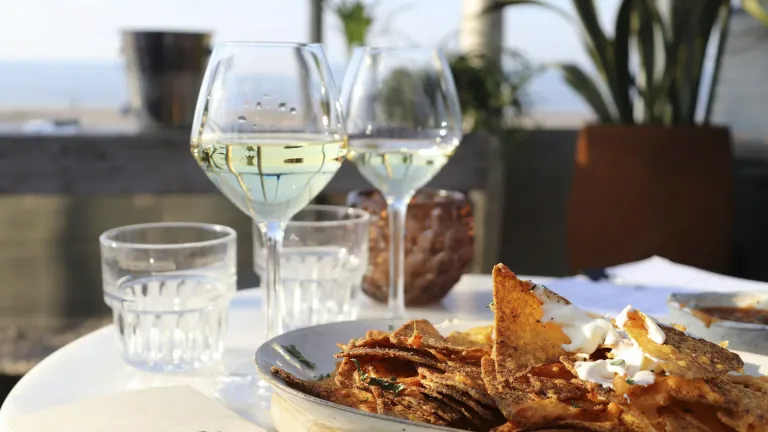
Rueda: An In-Depth Wine Profile
Explore Rueda, Spain's vibrant white wine region. Discover the unique characteristics of its wines and grape varieties!
Albariño: an In-Depth Wine Profile
Discover the refreshing and aromatic Albariño wine, one of the most precious jewels in the coasts of Portugal and Spain!
Txakoli: an In-Depth Wine Profile
Discover all the secrets of Txakoli, the most vibrant, refreshing and best kept secret of the Basque Country!
Amarone della Valpolicella: an In-Depth Wine Profile
Jump straight into the world of Amarone della Valpolicella, a delicious Italian red wine that is stepped in tradition!
Moscatel: an In-Depth Wine Profile
Welcome to the amazing world of Moscatel! Learn more about this wine gem, often overshadowed by its more famous cousin Moscato.
Barbera: an In-Depth Wine Profile
Learn about the aromatic and flavor profile of Barbera, and dive into the rich heritage of this Italian wine gem!
Grüner Veltliner: an In-Depth Wine Profile
Delve into the secrets of Grüner Veltliner, an Austrian wine that is slowly getting more and more recognizement around the world!
Vinho Verde: an In-Depth Wine Profile
Everything about Vinho Verde wine — crisp taste, Alvarinho grapes, top sub-regions of Portugal, and the best food pairings.
Muscadet: an In-Depth Wine Profile
Learn all about Muscadet, a French wine stepped in tradition! Discover the main food pairings, and how to choose the best bottles of this wine!
Soave: an In-Depth Wine Profile
Discover the iconic Soave wines! Learn which are the best food pairings for Soave, as well as its most common aromatic and flavor notes!
Valpolicella Ripasso: an In-Depth Wine Profile
Discover the Valpolicella Ripasso wine! Here, you will learn everything about it, from how it is made to the best food pairings for this iconic wine!
Ribera del Duero: an In-Depth Wine Profile
Discover the Ribera del Duero wines! Learn which are their main characteristics, and the differences with Rioja, another iconic Spanish wine.
Rioja: an In-Depth Wine Profile
Discover Rioja, a spanish wine full of history! Learn all about it, from the different types of Rioja wines to the best tips to serve it and store it!
Palomino: an In-Depth Wine Profile
Welcome to the world of Palomino wines! Discover which are the main characteristics of these wines, and with which foods you should pair them!
Mencía: an In-Depth Wine Profile
Discover the Mencía wines, a hidden treasure of the Spanish wine world! Learn about its sensory profile and best food pairings!
Godello: an In-Depth Wine Profile
Explore the unique profile of Godello wine, covering its origin, taste and aroma profile and best food pairings
Sherry: an In-Depth Wine Profile
Explore the unique profile of Sherry wine, covering its origin, taste and aroma profile and best food pairings
Monastrell: An In-depth Wine Profile
Do you know what is Monastrell wine? Learn more about the origin, sensory profile and best food pairings for the bold red!
Torrontés: an In-Depth Wine Profile
Explore the unique profile of Torrontés wine, covering its origin, taste and aroma profile and best food pairings
Lambrusco: an In-Depth Wine Profile
Dive into Lambrusco's vibrant profile, from its bubbly charm and taste notes to ideal pairings, and learn how to get the best value for your money!
Verdejo: an In-Depth Wine Profile
Discover Verdejo, a Spanish white wine that is the star of Rueda and highly coveted for its aromas and its refreshing taste
Tempranillo: an In-Depth Wine Profile
Discover the rich flavors and history of Tempranillo, Spain's noble grape. Explore its characteristics, food pairings, and top wine regions.
Trebbiano: an In-Depth Wine Profile
Welcome to the world of Trebbiano wines, a captivating style known for its versatility and refreshing qualities! Click here to learn more
Sangiovese: an In-Depth Wine Profile
Discover Sangiovese, a wine style that is tenowned for their robust character and Versatility. Click here!
Porto Garrafeira: an In-Depth Wine Profile
Explore the unique Porto Garrafeira style, a rare Port style with a distinctive aging process and rich flavors, with this in-depth guide.
Zinfandel: an In-Depth Wine Profile
Learn everything about Zinfandel wines, celebrated for their robust flavors and rich history, in this in-depth profile! Click here
Semillon: an In-Depth Wine Profile
Learn more about Semillon, a wine that is getting more known worldwide, and discover which are the aromatic and taste notes that makes it so unique!
Tannat: an In-Depth Wine Profile
Discover more about Tannat, a flagship wine of Uruguay that has transcended borders and is increasingly popular in other regions of the world
Viognier: an In-Depth Wine Profile
Learn more about Viognier, a wine that is renowned for its aromatic complexity, and its different food pairings!
Cabernet Franc: an In-Depth Wine Profile
Join us on a journey through the world of Cabernet Franc, an elegant and vibrant wine that pairs well with many foods!
Vermouth: an In-Depth Wine Profile
Learn everything about Vermouth wines, from their particular sensory profile to the regions where you can find the best Vermouth! Click here
Chenin Blanc: an In-Depth Wine Profile
Discover Chenin Blanc wine. Explore its history, aroma and flavour, styles and food pairings with this in-depth wine profile from Vinerra!
Grenache: an In-Depth Wine Profile
Your complete guide to Grenache wine — bold flavours, top regions in Spain and France, best food pairings, and how it compares to Syrah.
Pinot Gris: In-Depth Wine Profile
Discover Pinot Gris wine. Explore its history, aroma and flavour, styles and food pairings with this in-depth wine profile from Vinerra!
Sauvignon Blanc: In-Depth Wine Profile
Discover Sauvignon Blanc wine. Explore its history, aroma and flavour, styles and food pairings with this in-depth wine profile from Vinerra!
Gewürztraminer: In-Depth Wine Profile
Discover Gewürztraminer wine. Explore its history, aroma and flavour, styles and food pairings with this in-depth wine profile from Vinerra!
Syrah: In-Depth Wine Profile
Everything about Syrah wine — from Rhône Valley origins to its bold, peppery profile, best food pairings, and how it differs from Shiraz.
Riesling: In-Depth Wine Profile
Discover Riesling wine. Explore its history, aroma and flavour, styles and food pairings with this in-depth wine profile from Vinerra!
Malbec: In-Depth Wine Profile
Discover Malbec wine. Explore its history, aroma and flavour, styles and food pairings with this in-depth wine profile!
Merlot: In-Depth Wine Profile
Discover Merlot wine. Explore its history, aroma and flavour, styles and food pairings with this in-depth wine profile from Vinerra!
Barolo: In-Depth Wine Profile
Discover the unique Barolo flavor profile, and delve into the rich history of this Italian gem in our in depth profile!
Pinot Noir: In-Depth Wine Profile
Discover Pinot Noir wine. Explore its history, aroma and flavour, styles and food pairings with this in-depth wine profile from Vinerra!
Marsala: In-Depth Wine Profile
Discover Marsala wine. Explore its history, aroma and flavour, styles and food pairings with this in-depth wine profile from Vinerra!
Chardonnay: In-Depth Wine Profile
Discover Chardonnay wine. Explore its history, aroma and flavour, styles and food pairings with this in-depth wine profile from Vinerra!
Cabernet Sauvignon: In-Depth Wine Profile
Discover Cabernet Sauvignon wine. Explore its history, aroma and flavour, styles and food pairings with this in-depth wine profile from Vinerra!

Are you interested in collaborating with us?
Get started