
Wines
Aglianico: An In-Depth Wine Profile

You’re at a dinner party, swirling a glass of dark, brooding red wine that makes Barolo look like fruit punch. Your host smugly mentions it’s “the Nebbiolo of the South”. But here’s the thing, they’re completely wrong. Aglianico isn’t the southern version of anything. It’s the original powerhouse that has been crafting legendary wines since before Rome was even a twinkle in Caesar’s eye.
Greek settlers brought the Aglianico grape to southern Italy around 800 BC, establishing its ancient roots in the region.
What is Aglianico Wine?
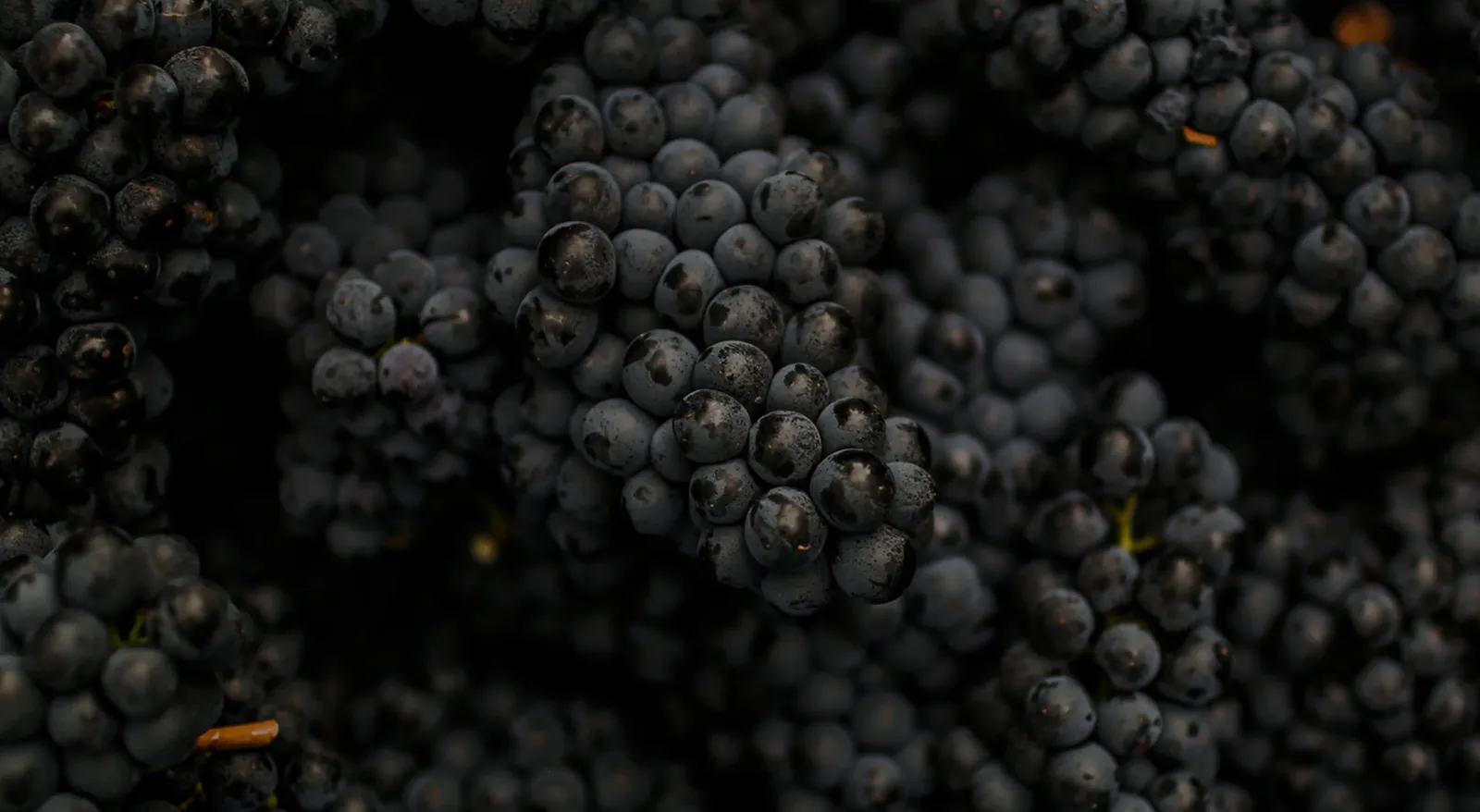
Forget everything you think you know about Italian wines. Aglianico wine is the gladiator of the wine world. Built for battle, aged for glory, and completely uncompromising in its pursuit of excellence. Made from one of Italy’s most native wine grapes, Aglianico grapes are the foundation for these powerful wines. This isn’t your friendly neighbourhood Chianti.
Aglianico produces full-bodied red wine with tannic grip and racy acidity. As one of Italy's noble grapes, think of them as the CrossFit athletes of the wine world. While other wines are satisfied simply being pleasant, Aglianico commands respect. These wines are produced from Aglianico grapes, typically clocking in at 12–14% alcohol and possessing an almost supernatural ability to age for decades, sometimes improving for 20+ years. These traits enable it to produce powerful wines that stand shoulder to shoulder with the world’s best.
The grape has been planted in Southern Italy since Roman times, particularly in volcanic zones where it thrives. In this region, Aglianico wines are produced with unique characteristics shaped by the local terroir. While many mistakenly call it “the Nebbiolo of the South,” that comparison sells it short. Aglianico, prior to any modern rediscovery, was already a noble red, prized by emperors and poets alike.
The colour alone tells you this wine means business. We’re talking deep ruby that transitions to garnet with age: darker than a Netflix drama and twice as complex.
Aglianico Winemaking
Here’s where Aglianico separates the winemaking ninjas from the weekend warriors. This grape is the ultimate diva. Wineries in the region must carefully manage their facilities and processes to meet the Aglianico's demands. It demands perfect timing, gentle handling, and infinite patience.
Winemaking Steps:
- Harvesting: Aglianico is a late-ripening variety that often isn’t picked until October or November, making it one of the last grapes harvested in Italy. This extended hang time allows the thick skins to develop complex tannins and concentrated flavours.
- Fermentation: Fermentation typically involves extended maceration periods of 20–30 days with the skins to extract maximum colour, tannins, and flavour compounds. Many producers use indigenous yeasts, believing they better express the volcanic terroir. While many Aglianico wines are made from 100% Aglianico grapes, some are blended with local varieties such as Piedirosso to create different styles.
- Malolactic Fermentation & Aging: The aging process is where the magic happens. Traditional producers use a combination of stainless steel tanks for malolactic fermentation, followed by 12–18 months in large oak barrels or 500-litre tonneaux. The best wines then receive additional bottle aging before release. Patience isn’t just a virtue here, it’s mandatory.
- Modern Techniques: Modern winemaking techniques help tame Aglianico’s wild side without losing its soul. Micro-oxygenation, controlled temperature fermentation, and gentle extraction methods help soften tannins while preserving the grape’s distinctive character.
Sensory Profile
Aglianico is the wine equivalent of a perfectly aged steak—rich, complex, and bursting with rich flavours that captivate the palate.
Aromatic Profile
Young Aglianico hits you with intense dark fruit notes: black cherry, blackberry, and plum, wrapped in a blend of cracked and white pepper spice. As it ages, these primary fruits evolve into dried figs, prunes, and sun-bleached leather, with notes of tobacco, cedar, and truffle complexity.
Palate Experience
The attack of this rich wine is full and structured, with firm but velvety tannins that coat your mouth like liquid velvet. High acidity provides the backbone, creating wines that are fresh and persistent despite their full body. The finish is long and intense, often lasting minutes with waves of dark fruit, spice, and mineral complexity.
Flavor Evolution
- Young Aglianico (2–5 years):
These wines showcase flavours of dark fruits, pepper, and herbs—think concentrated and powerful. However, Aglianico often requires a few years of aging before it becomes approachable due to its firm tannic structure. - Mature Aglianico (10+ years):
Leather, tobacco, dried fruits, chocolate—absolute elegance and complexity.
Tasting Characteristics
Young (2–5 years)
- Primary Flavors:
- Black fruits like cherry and blackberry
- Secondary Notes:
- White pepper, herbs
- Tannin Structure:
- Firm, gripping (often needs a few years to soften)
- Acidity:
- Pronounced acidity
Mature (10+ years)
- Primary Flavors:
- Sour cherries, dried figs, prunes
- Secondary Notes:
- Tobacco, leather
- Tannin Structure:
- Soft, integrated
- Acidity:
- High, balanced
Food Pairing
Aglianico doesn’t play nice with delicate dishes. The rich flavours of this wine demand bold, robust flavours that can stand up to its intensity, such as rich meats, barbecue beef brisket, and other hearty, high-tannin foods.
Perfect Matches
- Red Meats:
- Rich meat dishes like beef brisket, roasted lamb, osso buco, beef stew, and braised short ribs are absolute winners.
- The wine's high tannins break down proteins, making the meat taste even more tender and flavorful.
- Game Meats:
- Venison, wild boar, and duck confit pair beautifully with Aglianico's earthy, truffle-like complexity.
- The wine's savoury character complements the rich, gamey flavours perfectly.
- Italian Classics:
- Pasta with wild boar ragu, pizza with cured meats, and mushroom risotto with aged Pecorino create magical combinations.
- Cheeses:
- Aged cheeses are Aglianico's best friends.
- Parmigiano-Reggiano, aged Pecorino, and sharp Cheddar provide the fat and salt needed to soften those tannins and enhance the fruit.
- Vegetarian Dishes:
- The power of Aglianico wines also pairs wonderfully with some vegetarian dishes, such as mushroom broth, green lentil stew, and eggplant.
Climate and Wine Regions
Aglianico thrives in Italy’s volcanic playground—and trust me, this terroir is more explosive than a Gordon Ramsay kitchen meltdown.
In addition to the famous DOCG areas, several lesser-known regions such as Irpinia DOC, Cilento DOC, and Basilicata also produce excellent and affordable Aglianico wines.
Campania: The Volcanic Powerhouse of Southern Italy
- Taurasi DOCG in Campania is the Rolls-Royce of Aglianico regions. These vineyards are situated at elevations ranging from 400 to 700 meters above sea level on volcanic soils enriched by ancient eruptions from Mount Vesuvius. The limestone and clay base adds firm tannins, while volcanic ash contributes that distinctive smoky minerality.
- Aglianico del Taburno DOCG represents the new generation of excellence, with vineyards situated at elevations ranging from 200 to 600 meters. The diverse microclimates and chalky clay soils, combined with volcanic ash, create wines with elegant tension and beautiful aging potential.
Aglianico del Vulture: The Extinct Volcano
- Aglianico del Vulture DOCG in Basilicata is where the grape finds its most mineral-driven expression. Mount Vulture, an extinct volcano rising to 1,326 meters, provides the ultimate terroir for this demanding variety.
- The volcanic tuff acts like a sponge, absorbing winter moisture and releasing it during summer drought.
- The high altitude (450–600 meters) creates dramatic day-night temperature swings—sometimes 10–15 degrees—allowing slow, gradual ripening that develops complex phenolic compounds while maintaining bright acidity.
How to Serve and Store?
Serving Aglianico properly is like conducting an orchestra—get it right, and you'll create symphonic beauty.
Serving Temperature
- 16–18°C (61–64°F) is the ideal temperature range.
- Too cold, and you'll mute the aromatics; too warm, and the alcohol will dominate.
- Full-bodied reds like Aglianico require a slightly cooler temperature to showcase their best characteristics.
Glassware and Decanting
- Use large, wide bowls that allow the wine to breathe and concentrate the aromatics.
- Decanting for 1–2 hours is essential for younger wines to soften the tannins and allow the fruit to open up.
Storage Conditions
- For long-term storage, a temperature of 13°C (55°F) is required in a dark, humid environment.
- These wines can age beautifully for 10–20+ years, so proper cellar conditions are crucial for optimal development.
Comparison with Nebbiolo and Montepulciano
Let’s settle this wine war once and for all—Aglianico isn’t trying to be anyone else.
Characteristic Comparison
Color Intensity
- Aglianico: Deep ruby-garnet
- Nebbiolo: Light, translucent
- Montepulciano: Deep purple
Tannin Structure
- Aglianico: Firm, age-worthy
- Nebbiolo: Grippy, powerful
- Montepulciano: Soft, approachable
Acidity Level
- Aglianico: High, vibrant
- Nebbiolo: Very high
- Montepulciano: Moderate
Aging Potential
- Aglianico: 10–20+ years
- Nebbiolo: 15–25+ years
- Montepulciano: 5–10 years
Youth Accessibility
- Aglianico: Needs time
- Nebbiolo: Extremely tannic
- Montepulciano: Immediately drinkable
Terroir Expression
- Aglianico: Volcanic minerality
- Nebbiolo: Limestone elegance
- Montepulciano: Fruit-forward
Side-by-Side Summaries
- Aglianico vs Nebbiolo: Both are high-acid, age-worthy wines, but Aglianico is more approachable in youth and shows more fruit intensity thanks to its thick skins. Nebbiolo is more ethereal and perfumed; Aglianico is more powerful and mineral-driven.
- Aglianico vs Montepulciano: Night and day difference. Montepulciano is fruit-forward and immediately pleasurable with soft tannins. Aglianico is structured, complex, and demands patience and respect.
Sustainability
Aglianico producers are increasingly embracing sustainable practices, recognizing that healthy vineyards produce better wines.
Organic and Biodynamic Movement
- Cantina Giardino in Campania leads the natural wine movement, using old-vine fruit and minimal intervention techniques.
- Their amphora-aged wines show how traditional methods can create extraordinary terroir expression.
- Organic certification is gaining popularity among top producers who are implementing:
- Cover crops
- Composting
- Natural pest management
to maintain soil health and biodiversity.
Climate Change Adaptation
- Aglianico's heat tolerance and late ripening make it perfectly suited for warming climates.
- Its ability to retain high acidity in hot weather positions it as a future-proof variety for quality wine production.
Final Thoughts
Aglianico is the ultimate contrarian play in a wine world obsessed with instant gratification. While everyone's chasing the next hot trend, smart wine lovers are quietly building cellars full of these volcanic masterpieces.
This isn’t wine for casual sipping or Instagram moments. Aglianico is for serious wine lovers who understand that greatness takes time. It's for people who appreciate that true quality comes from ancient vines, volcanic soils, and winemakers who refuse to compromise.
The rocket ship has already launched—top producers are gaining international recognition, prices are still reasonable, and quality is reaching unprecedented heights. Aglianico represents the last great value in world-class wine.
Buy now, drink later—but when you do finally open that bottle, you'll understand why this ancient grape has survived millennia. It's not just wine; it's liquid history with the power to create legends.
In 20 years, when Aglianico commands Barolo prices, you'll remember reading this. The question isn’t whether Aglianico will become globally celebrated—it's whether you'll be smart enough to get in before everyone else figures it out.
Trust me on this one: Aglianico isn’t the Nebbiolo of the South. It’s the Aglianico of the world—and the world is about to wake up.
Discover more wines
Macabeo Wine: Discover Its Unique Flavors and Characteristics
Explore the distinct flavors and characteristics of Macabeo wine. Learn what makes it special and how to enjoy it!
A Comprehensive Guide to Pinot Blanc Wine
Discover the elegance of Pinot Blanc wine with our comprehensive guide. Learn about its flavors and best food pairings!
Acıkara: An In-Depth Wine Profile of a Unique Turkish Grape Variety
Discover the characteristics of Acıkara, Anatolia's distinctive grape variety, and explore its potential in the world of wine!
Acolon: an In-Depth Wine Profile
Discover Acolon’s German origins, parentage, flavor profile, and structure in Vinerra’s in-depth wine guide

Are you interested in collaborating with us?
Get started