
Wines
Clairette: an In-Depth Wine Profile
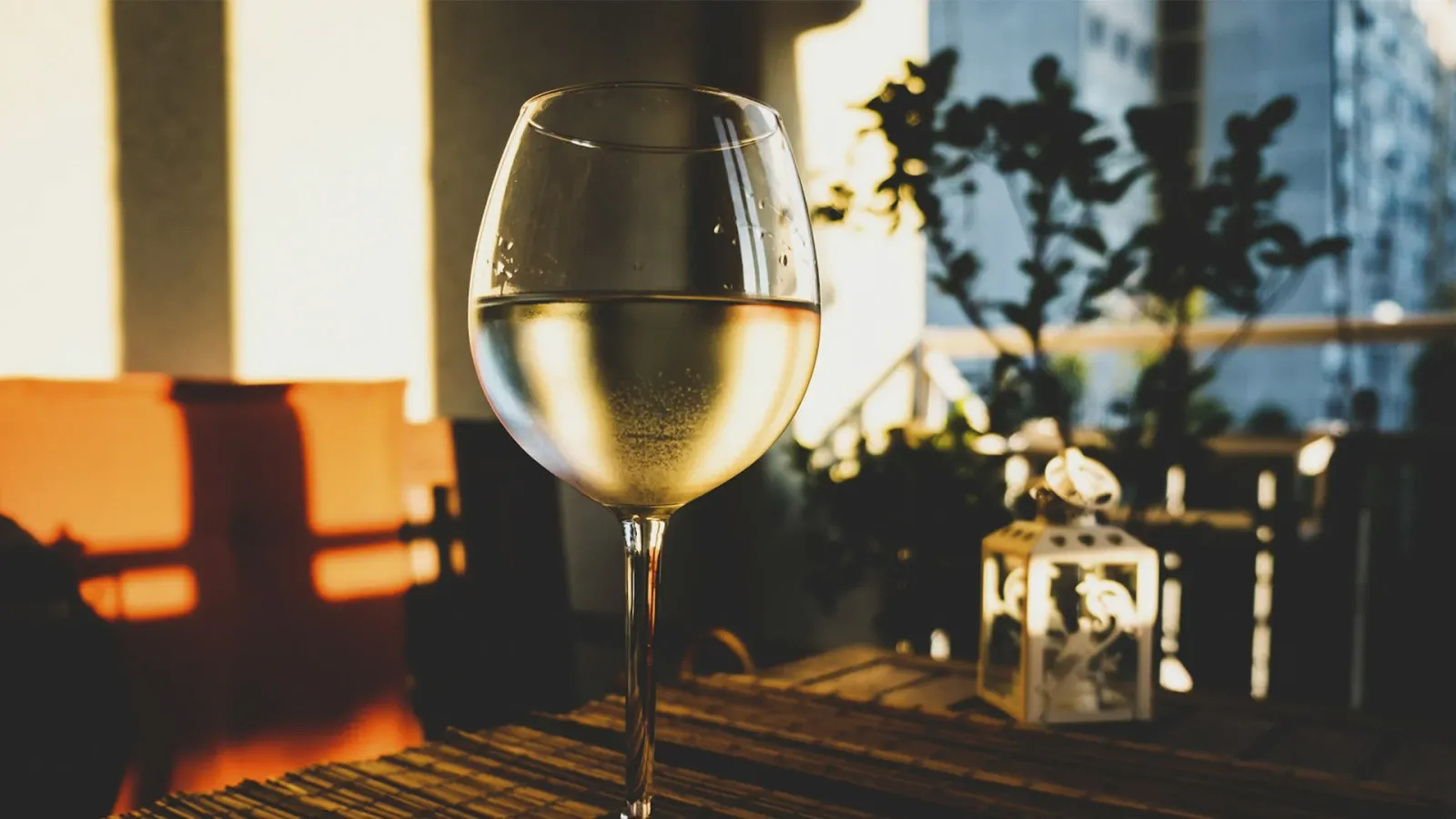
Clairette wines stand out not only for their unique taste but also for the variety of wine styles available. For instance, Clairette de Die, the sparkling gem from the Rhône Valley, is fresh and sweet with abundant fruit flavours. It boasts tasting notes of peaches, apricots, roses, and a hint of honeysuckle. Best enjoyed when young, this wine pairs excellently as an aperitif or with something sweet after dinner.
On the other hand, if you prefer non-sparkling wines, consider trying Clairette du Languedoc. It's richer and has more layers of flavour, featuring hints of citrus and orchard fruits, alongside a smooth, silky texture.
This highlights the versatility of Clairette grapes, particularly when aged. However, what truly makes these wines special is their reflection of the region they come from. Each sip reveals something about the terroir and the craftsmanship of the winemakers. Each Clairette style possesses an elegant charm that's hard not to admire.
In the following sections, we'll explore the history, production methods, and food pairings for these wines.
What are Clairette Wines?
Clairette wines primarily originate from Southern France and are noted for their unique character. They range from sparkling Clairette de Die to still wines like Clairette du Languedoc. For many years, Clairette was mainly used in wine blends due to its high alcohol content and low acidity. Recently, however, it has garnered more attention on its own. An increasing number of wine enthusiasts now appreciate the potential of this grape as a standalone option, and it is gaining recognition for its versatility and appeal.
Clairette Grape
Clairette Blanche yields large, oval grapes and displays vigorous growth, making it ideal for head training. It tends to bud early, increasing the risk of spring frost damage. Optimal growing conditions include warm, dry weather and calcareous soils, and it typically ripens later in the season, after Marsanne and Viognier.
This white wine grape can produce abundant yields, but its low acidity presents challenges for crafting high-quality wines. Winemakers must manage the quantity of fruit harvested with care. Despite these hurdles, Clairette Blanche contributes unique flavours and enhances the complexity of wine blends. The grape is primarily used as a blending material in southern French wines, often making up less than 30% of the final blend.
However, it holds significance in French winemaking, particularly in renowned regions like Châteauneuf-du-Pape, where it is the predominant white grape. Additionally, it is used to craft white wines across various AOCs in the Southern Rhône and Languedoc regions, highlighting its versatility.
This ancient grape has been cultivated in Southern France for centuries, especially in Provence and the Rhône Valley. While its exact origins remain unclear, it has been grown for hundreds of years and has played a vital role in the area’s rich wine heritage. Likely cultivated during Roman times, Clairette Blanche underscores its deep historical roots and is intricately linked to the tradition of French winemaking.
In the late 20th century, sales pressures led to a significant decline in Clairette Blanche plantings, plummeting from over 34,000 acres in the 1950s to approximately 5,000 acres by 2016.
Tip: Clairette Blanche is one of a few feminine French grape names, contrasting with the masculine naming of most other grape varieties.
Common Winemaking Techniques for Clairette
Making Clairette wines involves many different methods that help bring out the best in this grape. From how the juice ferments to how the wine ages, each step shapes how the final wine tastes and feels. Whether it's a bubbly Clairette de Die or a still wine from Languedoc, the way it's made really affects its flavour and quality. In the Languedoc, Clairette Blanche is responsible for both fresh dry whites and sweet fortified styles of wine.
Fermentation
Fermentation is the key stage that sets the style of the wine. With Clairette Blanche, winemakers have options. They can make dry wines or sweeter ones, depending on what they want. The process can create wines ranging from slightly sweet to completely dry. Some winemakers use special soaking methods to boost the wine's body and smell, bringing out flavours like tropical fruits, honeysuckle, peach, and apricot. It's all about finding the right balance.
Ageing Techniques
Aging helps Clairette wines develop more complex flavours. Some winemakers use oak barrels, which add toast and vanilla flavours. Others prefer stainless steel tanks to keep the wine fresh and fruity. Another method is aging the wine with the fine lees that settle at the bottom, which adds richness and depth. Each approach brings out different qualities in the grape.
Sparkling Wines
Sparkling Clairette wines, like Clairette de Die, are made in special ways. One method, called Méthode Dioise Ancestrale, involves bottling wine before it's finished fermenting. The fermentation continues in the bottle without adding extra yeast or sugar. This creates a sweet, naturally bubbly wine. Clairette Blanche has been used to produce sparkling wine known as Clairette de Die for centuries, highlighting its long-standing role in winemaking traditions. Other types, like Crémant de Die, use the traditional method, where the wine ferments once in tanks and again in the bottle. Both ways create the bubbles that make these wines special.
Protective Handling
Because Clairette wines can easily oxidate when exposed to air. Many producers favor protective handling in the cellar to prevent oxidation during winemaking. They use techniques like adding sulphur during pressing, limiting skin contact, cold-settling, and using stainless steel tanks. These steps protect the wine's delicate flavours and aromas. The goal is to keep the wine fresh and lively from start to finish, ensuring every sip is as good as it should be.
Sensory Profile of Clairette Wines
Clairette wines are bright and refreshing, which helps explain why so many people enjoy them. Whether you're sipping a sparkling Clairette de Die or a still wine from Languedoc, these wines present a delightful combination of aromas and flavours that evoke memories of sunny Mediterranean days. They typically possess a crisp, tangy quality, a light to medium mouthfeel, and abundant fruit and floral notes that make each sip captivating.
Aromas
The scents of Clairette wines are varied, welcoming, and full of character. Depending on how and where the wine was made, you might notice anything from fresh flowers to tangy citrus or even light herbs.
- Primary Aromas: Delicate floral notes, such as white flowers, combined with the zesty freshness of citrus fruits like lemon and lime. You'll also find the crispness of green apples, the sweetness of ripe pears, and the lusciousness of stone fruits such as peaches and apricots.
- Secondary Aromas: Enticing floral aromas reminiscent of jasmine and honeysuckle, mingled with herbaceous hints like fennel and anise. There's also the earthy scent of blooming boxwood and a subtle minerality akin to flintlock.
- Tertiary Aromas: As Clairette wines age, they develop rich, honeyed notes that add a layer of depth and complexity typically found in well-aged wines.
Flavours
Clairette wines are known for their lively tanginess, which gives them a fresh, energetic feel when tasted. They're usually light to medium-bodied, with a clean, crisp finish that makes you want another sip. The flavours can range from bright and fruity to more rich and layered, especially as the wine gets older.
- Primary Flavours: Clairette wines are celebrated for their vibrant and refreshing flavour profile that captivates the palate. At the forefront, you'll find the crispness of green apples and the sweetness of ripe pears, both of which lend a refreshing quality to the wine. The citrus fruits, including lemon and lime, add a zesty kick, while the stone fruits, such as peach and apricot, provide a luscious, juicy dimension. Additionally, subtle hints of tropical fruits like pineapple and key lime contribute to the wine's exotic allure, making it a delightful choice for those who appreciate a lively and invigorating taste.
- Secondary Flavours: Beyond the primary flavours, Clairette wines offer a bouquet of secondary notes that add depth and complexity. The floral notes of jasmine and honeysuckle introduce a delicate, aromatic quality, reminiscent of a blooming garden. Herbaceous elements, including fennel and anise, infuse the wine with a subtle spiciness, while mint, lemongrass, and kaffir lime enhance its refreshing character. These secondary flavours create a harmonious balance with the primary fruit notes, making Clairette wines a versatile and intriguing choice for wine enthusiasts.
- Tertiary Flavours: As Clairette wines age, they develop a remarkable array of tertiary flavours that elevate their sophistication. Honeyed notes emerge, adding a layer of sweetness and complexity that is characteristic of well-aged wines. Dried apricots and figs contribute a rich, concentrated fruitiness, while hints of toasted nuts and subtle spices further enhance the wine's depth. These tertiary flavours are a testament to the aging potential of Clairette wines, offering a rewarding experience for those who appreciate the evolution of wine over time.
Most Common Food Pairings for Clairette Wines
Clairette wines pair beautifully with many foods due to their fresh, fruity characteristics. These wines complement everything from light cheeses and appetizers to seafood and vegetable dishes. Their crisp, tangy taste and subtle flavours enhance lighter meals without overpowering them. Here are some great pairings to try:
- Light Cheeses and Appetizers: Clairette complements both soft and hard cheeses, such as brie or goat cheese. It also pairs wonderfully with light starters like charcuterie boards or fondue. The wine's freshness balances the richness of these foods, creating the perfect harmony.
- Seafood Dishes: For those who enjoy shellfish, salmon, or lighter fish like halibut or sole, Clairette is an exceptional choice. Its citrus and floral notes complement seafood, especially when served alongside tropical fruit salsas or lemon sauces.
- Vegetable Dishes: Green salads with tangy dressings, grilled or roasted vegetables, and dishes featuring herbs like fennel or anise pair beautifully with Clairette. The wine's crispness and fruity notes naturally enhance fresh, green foods.
- Vietnamese Rice Paper Rolls: The light, clean profile of Clairette pairs perfectly with Vietnamese rice paper rolls. The fresh herbs and light fillings create a refreshing contrast with the wine.
- Grilled Sardines: For oily fish like grilled sardines, Clairette's tanginess effectively cuts through the richness, resulting in a surprisingly delightful combination.
- Salmon Terrine: For something a bit more sophisticated, pair Clairette with salmon terrine. The wine's floral notes and acidity beautifully complement the smooth texture and flavours of the terrine, making it a classy appetizer choice.
- Scrambled Eggs and Light Meats: Clairette goes well with scrambled eggs or lighter meats such as chicken or turkey, adding a special touch to breakfast or lunch.
Best Regions for Clairette Wine
Clairette wines primarily originate from Southern France, where the warm, sunny climate fosters the growth of this grape. This wine is not linked to regions such as the Côtes du Rhône AOC. Instead, Provence, Rhône, and Languedoc are the key areas producing these wines, each contributing its own distinct character influenced by local soil and winemaking techniques. Whether you're enjoying the sparkling Clairette de Die from the Rhône Valley or the still wines from Languedoc, these regions demonstrate the versatility and charm of Clairette. Clairette Blanche is currently the second-most-planted white variety in Châteauneuf-du-Pape after Grenache Blanc, further solidifying its importance in the region.
Here's a look at the top spots for Clairette wines:
- Rhône Valley (Die Region): Grenache is the primary grape variety in the Southern Rhône region. The Mistral wind influences the region, impacting its viticultural conditions. Additionally, this area is known for Clairette de Die, a sparkling wine made using the Méthode Dioise Ancestrale. It combines Clairette and Muscat Blanc à Petits Grains grapes to produce a fresh, sweet, and fruity wine. You will find notes of peaches, apricots, roses, and honeysuckle in this bright, refreshing beverage. Rhône Valley wines are predominantly blends, with each AOC specifying particular permitted grape varieties. Southern Rhône wines feature a wide diversity of grapes, sometimes including as many as 19 varieties in a single blend. Within the Rhône Valley, Clairette is blended with grapes such as Grenache Blanc or Viognier.
- Languedoc: In this region, they produce Clairette du Languedoc, a still wine with many layers of flavour. You will notice notes of quince, kumquat, lemongrass, and lemon, with a warm feel and just a touch of bitterness. This wine has depth and complexity that makes it intriguing to drink.
- Provence: While Clairette isn't the main grape in Provence, it plays an essential role as a blending grape. It is often included in white wine blends to enhance freshness and citrus flavours. You'll find it in wines from Coteaux d'Aix-en-Provence and Côtes de Provence, where it helps maintain the wines' liveliness and brightness.
- Châteauneuf-du-Pape: This region was the first AOC to be recognized when the AOC system was established in 1936. The vineyards are situated at four altitudes as the land rises from the Rhône River. White wines from Châteauneuf-du-Pape typically make up only about 5-6% of the total production. In this prestigious wine region, Clairette blanche is the dominant white grape. This grape is a crucial element in white wine blends, providing tang and floral notes. The unique character of the white wines here largely comes from Clairette.
- Bellegarde: Clairette de Bellegarde is a dry still wine made exclusively from Clairette grapes. This region produces wines that are light and fresh with a hint of salinity and slight bitterness. It has aromas of white flowers and fruits like apples and pears, making it crisp and refreshing to enjoy.
Tips for Serving and Storing Clairette Wine
Getting the best from Clairette wines means serving and storing them properly. Whether you have a sparkling Clairette de Die or a still Clairette du Languedoc, knowing the right conditions makes a big difference in how they taste. Here's how to keep these wines at their best:
- Serving Temperature: Clairette wines require different serving temperatures. For sparkling wines like Clairette de Die, serve them chilled at 6°C to 8°C (43°F to 46°F) to maintain their bubbles and freshness. Still Clairette wines from regions like Languedoc are best served slightly warmer at 10°C to 12°C (50°F to 54°F) to enhance their floral and fruity aromas.
- Glassware: The right glass enhances the wine experience. For still Clairette wines, use a standard white wine glass with a slightly inward-curving rim to concentrate the aromas. For sparkling Clairette, choose a flute or tulip-shaped glass to preserve the bubbles and direct the aromas to your nose, ensuring a fresh sip every time.
- Storage: Proper storage preserves Clairette wines' quality. Keep unopened bottles in a cool, dark place with a stable temperature of 10°C to 13°C (50°F to 55°F) and humidity between 50% and 85% to prevent cork drying. Store sparkling wines on their side to maintain cork moisture and fizz. Still Clairette wines generally last 3 to 5 years, while sparkling ones are best within 1 to 2 years of bottling. Once opened, consume sparkling Clairette within a day or two to avoid losing its effervescence.
Similarities and Differences Between Clairette and Rolle (Vermentino) Wines
Clairette and Rolle (also called Vermentino) are two white grape types that grow well in warm Mediterranean areas, especially in Southern France and Italy. While they share some qualities, each brings something different to wines. Here's how they compare:
Similarities
- Mediterranean Origins: Both Clairette and Rolle love sunny, warm climates around the Mediterranean. They grow well in places like Provence and along the Italian coast, where there's plenty of sunshine.
- Floral and Citrus Notes: These grapes create wines with fresh, aromatic smells. Both are known for their flowery and citrus scents, which make light, refreshing wines.
- Use in Blends: Winemakers often mix Clairette and Rolle with other grapes to add freshness and complexity. In Provence, they're sometimes blended together to make crisp, clear white wines that are easy to drink.
Differences
Acidity and Structure: Rolle (Vermentino) has more zingy acidity and a firmer structure. Clairette is softer with less acidity. Rolle's natural tartness helps it stay fresh even in hot growing areas.
- Flavour Profile: While both grapes exhibit citrus and floral flavours, Rolle often reveals more complexity with its mineral and herbal notes. Clairette tends to taste more like stone fruits, such as peaches, alongside grapefruit.
- Body and Alcohol Content: Clairette wines usually feel fuller in the mouth and have a higher alcohol content. Rolle wines are lighter and crisper, akin to comparing something rich and hearty with something light and refreshing.
- Regional Presence: Rolle is significant in Provence and is known as Vermentino throughout Italy. Clairette is more closely associated with the Languedoc and southern Rhône Valley regions, although it's also cultivated in Provence.
- Aging Potential: Rolle wines can benefit from some aging, whereas wines made with Clairette are best enjoyed when they're young. Clairette wines prioritise freshness and liveliness, making them meant to be opened and enjoyed soon after production.
Sustainability and Future Trends for Clairette Wines
Clairette wines, mostly made in Southern France, are following the wine industry's move toward more sustainable and earth-friendly practices. As people become more concerned about the environment, Clairette's natural toughness and lower alcohol levels make it popular with both winemakers and wine drinkers. Clairette Blanche is known for its adaptation to hot, dry climates, making it particularly well-suited to regions facing the challenges of climate change. Also, the region's focus on sustainable grape growing and the grape's ability to handle climate change set Clairette up for success in the changing wine world.
Sustainable Tendencies
The Languedoc region, where much Clairette is grown, is leading the way in sustainable winemaking in France through several approaches:
- Organic and Biodynamic Viticulture: Many wine producers are switching to organic or biodynamic methods, which create healthier soil, use fewer chemicals, and support more plant and animal life. This is about working with nature, not against it.
- Water Conservation: Water is precious in this dry area, so winemakers use smart methods like drip irrigation and collecting rainwater to reduce waste while keeping their vineyards healthy.
- Renewable Energy: More wineries are using renewable energy, especially solar power, to reduce pollution. This helps the planet and appeals to customers who care about the environment.
Future Trends
Clairette wines are well-positioned to benefit from several trends shaping the wine industry:
- Climate Adaptation: As the climate changes, Clairette's ability to handle warmer weather is a big advantage. It can still produce fresh, lower-alcohol wines even as temperatures rise.
- Increased Demand for Whites: White wines are becoming more popular, especially light, refreshing ones. This is good news for Clairette, which naturally has these qualities. We can expect to see more Clairette wines available in stores and restaurants.
- Market Opportunities: The U.S. wine market offers great potential for Clairette. Younger wine drinkers care about sustainability and prefer lighter wines, and Clairette meets both these preferences with its fresh taste and eco-friendly growing methods.
Final Thoughts
Clairette is an exceptionally versatile and enticing wine choice. Whether you're savoring the vibrant, fruity effervescence of Clairette de Die or the rich, layered flavors of Clairette du Languedoc, this grape caters to a wide array of palates. With fresh aromas of peach, apricot, and citrus, along with a crisp tanginess and smooth texture, Clairette delights both as a standalone wine and as a perfect pairing with food.
What truly sets Clairette apart is its adaptability to warm climates and its growing importance in sustainable wine production, promoting eco-friendly practices within the wine industry. These wines effortlessly complement everything from light appetizers to seafood dishes, infusing meals with a bright Mediterranean flair.
Clairette wines offer an intriguing yet approachable choice for both seasoned wine enthusiasts and newcomers eager to explore. Their fresh, inviting character continues to capture the hearts of those seeking distinctive and enjoyable wines.
Discover more wines
Casavecchia Wine: An In-Depth Profile
Discover the rich flavors and unique characteristics of Casavecchia wine, Italy's lesser-known treasure.
Classic Penedès: an In-Depth Wine Profile
Learn about Classic Penedès, the organic traditional-method sparkling wine from Spain with rich heritage and vibrant bubbles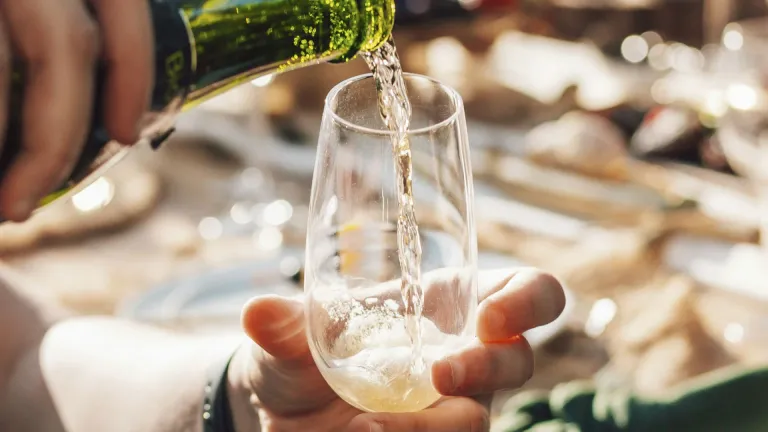
Corpinnat: an In-Depth Wine Profile
Explore Corpinnat’s break from Cava, strict quality rules, and identity in this in-depth Vinerra wine profile.
Rondo: an In-Depth Wine Profile
Discover Rondo, a vibrant northern European red wine with deep ruby colour, balanced flavour, and cool-climate charm!
Solaris: an In-Depth Wine Profile
Discover Solaris wine: a cool-climate white with vibrant aromas, crisp acidity, and versatile styles for every palate!
Kerner: An In-Depth Wine Profile
Discover Kerner, a wine that will enchant you with its fresh aromas and versatile food pairing combinations!
Hondarrabi Zuri: An In-Depth Wine Profile
Discover Hondarrabi Zuri, Basque Country’s iconic wine, its flavors, heritage, and perfect food pairings!
Discovering Rasheh Wine: A Journey Through Iran’s Unique Vintage
Smuggled grapes, ancient terroir, and bold defiance— Discover Rasheh, a wine made under pressure and against all odds!
Pálava Wine: Characteristics and Best Pairings
Tired of Chardonnay? Step off the beaten path with Pálava—an aromatic Czech gem bursting with flavor and personality!
Frappato: an In-Depth Wine Profile
Explore the charm of Frappato wine—light-bodied, floral, and full of Sicilian character. A red that’s both chillable and bold!
Arneis: An In-Depth Wine Profile
Explore Arneis wine: its origins, flavor notes, and why sommeliers love it. A must-try for adventurous palates!
Alicante Bouschet: An In-Depth Wine Profile
Discover Alicante Bouschet: a deep, spicy red that’s redefining bold wines in a warming world. Try it before it trends!
Concord: An In-Depth Wine Profile
Discover Concord wine: bold, sweet, and nostalgic. Explore its history, flavors, and pairings that make it a true American icon.
Chambourcin: An In-Depth Wine Profile
Uncover the bold flavors and pairings of Chambourcin wines—your guide to tasting, enjoying, and elevating every sip.
Colombard: An In-Depth Wine Profile
Discover Colombard: a crisp, underrated white wine with vibrant flavors, smart pairings, and unbeatable value!Baga: An In-Depth Wine Profile
Baga offers power, elegance, and terroir expression— Learn about Portugal’s best-kept secret for adventurous wine lovers.
Bobal: An In-Depth Wine Profile
Bobal wine is Spain’s hidden treasure. Explore its bold flavors, rich history, and perfect food pairings!
Baco Noir: An In-Depth Wine Profile
Explore Baco Noir’s bold flavors, perfect pairings, and unique charm—your gateway to this standout grape varietal!
Catawba: An In-Depth Wine Profile
Discover Catawba wine’s bold flavors, rich history, and charm—and why this iconic American grape belongs in your collection!
Müller Thurgau: An In-Depth Wine Profile
Discover Müller-Thurgau’s origins, aromas, and flavors—a fresh, floral white that’s versatile, affordable, and full of charm!
Lagrein: An In-Depth Wine Profile
Discover Lagrein, Alto Adige’s bold red. Explore its flavors, pairings, and why this rare Alpine wine is a must-try!
Verdicchio: An In-Depth Wine Profile
Discover Verdicchio’s origins, terroir, flavor profile, and aging potential in Vinerra’s in-depth guide to this iconic Italian white.
Furmint: An In-Depth Wine Profile
Discover the world of Furmint, Hungary's exceptional white wine. Learn about its tasting notes and food pairings!
Carignan: An In-Depth Wine Profile
Discover Carignan’s origins, flavor profile, structure, and global revival in Vinerra’s in-depth wine guide
Bonarda: An In-Depth Wine Profile
Explore Bonarda’s history, bold fruit character, and growing importance in Argentina in this in-depth Vinerra wine profile
Aglianico: An In-Depth Wine Profile
Explore the rich profile of Aglianico wine, its flavor notes, and perfect food pairings in our comprehensive profile!
Dolcetto: An In-Depth Wine Profile
Explore Dolcetto's unique characteristics, ideal pairings, and aging potential. Dive into our detailed wine profile!
Falanghina: An In-Depth Wine Profile
Explore Falanghina’s history, flavor profile, and modern revival in southern Italy in this in-depth Vinerra wine profile
Fiano: An In-Depth Wine Profile
Discover Fiano, Italy’s rising star—learn its traits, best pairings, and why it belongs in your wine collection!
Vermentino (Rolle) Wine: An In-Depth Profile
Explore Vermentino's vibrant flavors, origins, and food pairings—perfect for wine lovers and curious newcomers alike!
Touriga Nacional: An In-Depth Wine Profile
Uncover Touriga Nacional’s bold flavors, rich history, and perfect pairings in this deep dive into Portugal’s iconic red wine!
Petit Verdot: An In-Depth Wine Profile
Explore the rich profile of Petit Verdot, its unique characteristics, and tasting notes, in our in-depth profile!
Côtes du Rhône Blend: An In-Depth Wine Profile
Explore the rich flavors and characteristics of Côtes du Rhône blends. Gain tasting insights and enhance your wine knowledge!
Chianti Blend: An In-Depth Wine Profile
Discover the nuances of Chianti Blend in this comprehensive guide. Learn about its flavors, food pairings, and tasting tips!
Montepulciano: An In-Depth Wine Profile
Explore Montepulciano wine’s rich history and flavors with expert tips—perfect for enthusiasts and collectors alike!
Primitivo: An In-Depth Wine Profile
Discover the rich flavors and history of Primitivo wine in this guide for enthusiasts and aficionados!
Bordeaux White Blend: An In-Depth Wine Profile
Discover the flavors and characteristics of Bordeaux White Blend. Enhance your wine knowledge with this insightful profile!
Bordeaux Red Blend: An In-Depth Wine Profile
Explore the rich flavors and complexities of Bordeaux red blends with our detailed profile and tasting guide!
Valpolicella: An In-Depth Wine Profile
Discover the rich flavors and history of Valpolicella wines. This guide offers insights for both enthusiasts and collectors!
Assyrtiko: The In-Depth Wine Profile
Explore Assyrtiko, Greece's prized grape variety. Learn about its unique characteristics, flavor profiles, and food pairings!
Nero d’Avola: An In-depth Wine Profile
Discover the unique characteristics of Nero d'Avola in this in-depth profile, perfect for both wine enthusiasts and newcomers!
Moscato: A Deep Dive into the World’s Most Misunderstood Grape
Discover the best Moscato wines that delight the palate with sweetness and flavor, with our In-depth profile!
The Gamay Wine Profile: Beaujolais and Beyond
Explore the rich flavors, diverse regions, and perfect pairings of Gamay wine. Discover how to enhance your wine experience!
Discover the Secrets of Airén: The In-depth Wine Profile
Discover the unique qualities and rich history of Airén grapes. Learn how this versatile variety shapes wines today!
Acıkara: An In-Depth Wine Profile of a Unique Turkish Grape Variety
Discover the characteristics of Acıkara, Anatolia's distinctive grape variety, and explore its potential in the world of wine!
Nebbiolo: an In-Depth Wine Profile
Discover the essence of Nebbiolo wine through its unique terroir, rich traditions and best food pairings!
Fetească Neagră: An In-Depth Wine Profile of Romania’s Signature Grape
Discover the rich flavors, history, and best food pairings of Fetească Neagră, Romania's distinctive wine!
Pinot Meunier: An In-Depth Wine Profile
Discover the distinct characteristics of Pinot Meunier, a lesser-known wine from the Champagne region!
Acolon: an In-Depth Wine Profile
Discover Acolon’s German origins, parentage, flavor profile, and structure in Vinerra’s in-depth wine guide
Mavro: An In-Depth Wine Profile
Discover the rich flavors and cultural heritage of Mavro wine. Dive into the unique profile of this Cypriot gem!
Aligoté: an In-Depth Wine Profile
Discover Aligoté, Burgundy's overlooked gem. Learn about its unique characteristics, and why it deserves a place in your glass!
Kanella: an In-Depth Wine Profile
Explore the unique characteristics and flavor profiles of Kanella wine. Learn about its origins and best food pairings!
Xynisteri: an In-Depth Wine Profile
Discover the unique characteristics of Xynisteri, Cyprus' premier white wine, and why it deserves a place in your glass!
Altesse: An In-Depth Wine Profile
Explore the unique characteristics of Altesse wine, from its characteristic tasting notes to ideal pairings!
Alphonse Lavallée: An In-Depth Wine Profile
Explore Alphonse Lavallée's unique wines, their characteristics, tasting notes, and best food pairings!
Maratheftiko: An In-Depth Wine Profile
Explore the rich flavors and history of Maratheftiko, Cyprus's prized wine. Discover its unique characteristics today!
Morokanella: An In-Depth Wine Profile
Discover the distinct characteristics and flavors of Morokanella, one of the indigenous wines of Cyprus!
Yiannoudi: An In-Depth Wine Profile
Explore Yiannoudi, Cyprus's distinctive grape variety, its unique characteristics, and winemaking potential!
Glera: an In-Depth Wine Profile
Explore Glera’s history, fresh aromatics, and defining role in Prosecco in this in-depth Vinerra wine profile.
Incrocio Bruni 54: an In-Depth Wine Profile
Discover the characteristics of Incrocio Bruni 54, a hybrid wine from Marche, like its flavor profile or best pairings!
Pinotage: An In-Depth Wine Profile
Explore the rich flavors and characteristics of Pinotage, South Africa's unique grape. Discover its rich history and best pairings!
Lambrusco Salamino: an In-Depth Wine Profile
Discover the characteristics of Lambrusco Salamino, its flavor profile, best food pairings and enhance your wine knowledge!
Lambrusco Maestri: an In-Depth Wine Profile
Discover the unique characteristics of Lambrusco Maestri. Dive into this wine profile and elevate your wine knowledge!
Ancellotta: an In-Depth Wine Profile
Explore the rich profile of Ancellotta wine, its unique flavors, ideal pairings and best expressions!
Lambrusco di Sorbara: an In-Depth Wine Profile
Explore the refreshing flavors of Lambrusco di Sorbara, a sparkling Italian wine. Learn about its origins and best food pairings!
Lambrusco Grasparossa Wine: an In-Depth Profile
Discover the best Lambrusco Grasparossa wines for your next celebration. Elevate your knowledge with our recommendations!
Greco Bianco: An In-Depth Wine Profile
Discover Greco Bianco, an exquisite Italian white wine. Explore its unique characteristics and best food pairings!
Cortese Bianco: An Italian White Worth Noting
Learn about Cortese Bianco unique flavors and get food pairing recommendations to elevate your wine experience!
A Comprehensive Guide to Pinot Blanc Wine
Discover the elegance of Pinot Blanc wine with our comprehensive guide. Learn about its flavors and best food pairings!
Riesling Renano: The Noble Aristocrat of White Wine
Explore top Riesling Renano wines perfect for your celebrations. Find your ideal choice to elevate any occasion!
Discovering Uva Rara Wine: A Hidden Gem of Italian Red Varietals
Explore the unique flavors of Uva Rara wine, a lesser-known Italian red. Learn about its origins and food pairings
Discovering Croatina: The Unique Grape Behind Bold Italian Wines
Explore the bold flavors of Croatina, a unique grape variety shaping Italian wines. Learn about its unique characteristics
Discover the Rich Flavors of Vespolina Wine: A Comprehensive Guide
Explore the unique flavors of Vespolina wine and learn about its origins, aromatic, tasting notes, and food pairings!
Welschriesling Wine: Discover Its Unique Flavors and Characteristics
Explore the distinct flavors and characteristics of Welschriesling wine. Learn what makes this varietal unique!
Grenache Blanc: An In-Depth Wine Profile
Explore the unique characteristics of Grenache Blanc and the perfect food pairings to enhance your wine experience!
Clairette: an In-Depth Wine Profile
Explore Clairette’s history, terroir, flavor profile, and role in Rhône wines with Vinerra’s comprehensive guide
Mourvèdre: an In-Depth Wine Profile
Explore the rich flavors of Mourvèdre wines in this comprehensive profile, perfect for both enthusiasts and connoisseurs!
Cinsault: an In-Depth Wine Profile
Discover Cinsault’s origins, delicate structure, and role in southern French wines in Vinerra’s in-depth wine guide
Roussanne: an In-Depth Wine Profile
Explore the unique characteristics of Roussanne wine, its perfect food pairings, and why it's a must-try for enthusiasts!
Marsanne: An In-Depth Profile for Wine Lovers
Explore the unique characteristics of Marsanne wine, and discover why it's a must-try for collectors and enthusiasts!
Sagrantino: Discovering the Bold Flavors of Umbria’s Finest Wine
Explore the bold, complex flavors of Sagrantino, the signature Umbrian wine, and learn about its history and best food pairings!
Malvasia Nera: An In-Depth Wine Profile
Learn about the rich flavors of Malvasia Nera, a delightful Italian red wine, and why it deserves a spot in your collection!
Vin Jaune: An In-Depth Profile of this Wine Treasure
Discover the distinct flavors and heritage of Vin Jaune, the Jura's unique wine. Learn about its tasting notes, and food pairings!
Macabeo Wine: Discover Its Unique Flavors and Characteristics
Explore the distinct flavors and characteristics of Macabeo wine. Learn what makes it special and how to enjoy it!
Carmenere: an In-Depth Wine Profile
Discover the rich profile of Carmenere wine, including tasting notes and ideal food pairings. Elevate your wine experience!
White Zinfandel Wine: the Essential Guide
Explore the world of White Zinfandel in this essential guide, featuring tasting notes, and tips for choosing the perfect bottle!
Petite Sirah: an In-Depth Wine Profile
Dive into the boldness of Petite Syrah, and discover its unique aromas, flavors and pairings, with this in-depth profile!
Cigales: an In-Depth Wine Profile
Discover the unique wines of Cigales, Spain's emerging region. Explore profiles, flavors, and what sets these wines apart!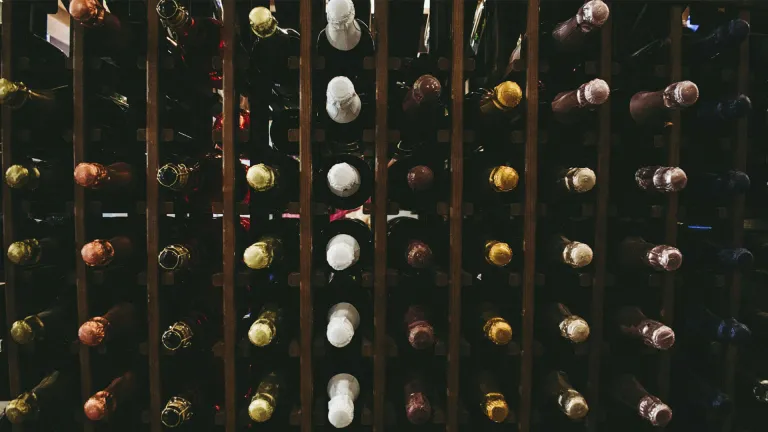
The Wines of Penedès: A Comprehensive Guide
Explore the Penedès wine region through a detailed profile that highlights its unique varietals and tasting notes.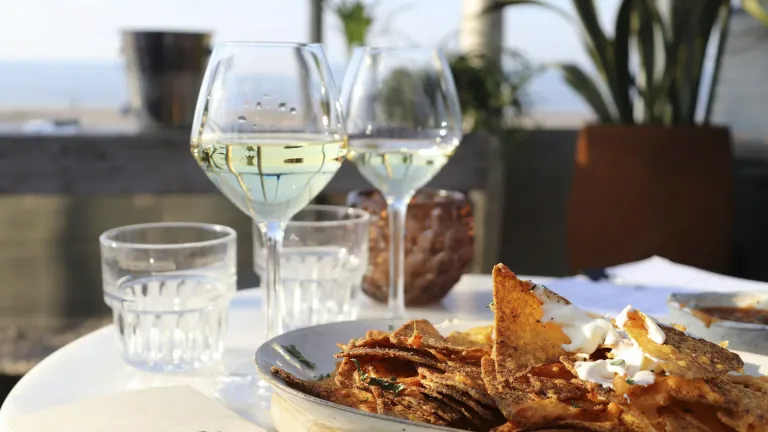
Rueda: An In-Depth Wine Profile
Explore Rueda, Spain's vibrant white wine region. Discover the unique characteristics of its wines and grape varieties!
Albariño: an In-Depth Wine Profile
Discover the refreshing and aromatic Albariño wine, one of the most precious jewels in the coasts of Portugal and Spain!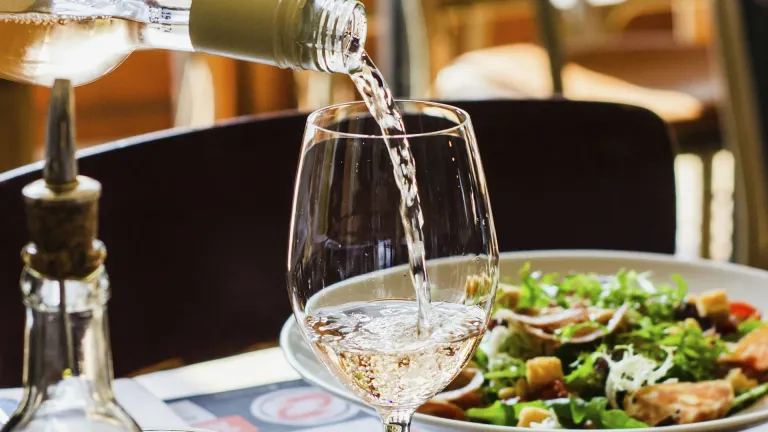
Txakoli: an In-Depth Wine Profile
Discover all the secrets of Txakoli, the most vibrant, refreshing and best kept secret of the Basque Country!
Amarone della Valpolicella: an In-Depth Wine Profile
Jump straight into the world of Amarone della Valpolicella, a delicious Italian red wine that is stepped in tradition!
Moscatel: an In-Depth Wine Profile
Welcome to the amazing world of Moscatel! Learn more about this wine gem, often overshadowed by its more famous cousin Moscato.
Barbera: an In-Depth Wine Profile
Learn about the aromatic and flavor profile of Barbera, and dive into the rich heritage of this Italian wine gem!
Grüner Veltliner: an In-Depth Wine Profile
Delve into the secrets of Grüner Veltliner, an Austrian wine that is slowly getting more and more recognizement around the world!
Vinho Verde: an In-Depth Wine Profile
Everything about Vinho Verde wine — crisp taste, Alvarinho grapes, top sub-regions of Portugal, and the best food pairings.
Muscadet: an In-Depth Wine Profile
Learn all about Muscadet, a French wine stepped in tradition! Discover the main food pairings, and how to choose the best bottles of this wine!
Soave: an In-Depth Wine Profile
Discover the iconic Soave wines! Learn which are the best food pairings for Soave, as well as its most common aromatic and flavor notes!
Valpolicella Ripasso: an In-Depth Wine Profile
Discover the Valpolicella Ripasso wine! Here, you will learn everything about it, from how it is made to the best food pairings for this iconic wine!
Ribera del Duero: an In-Depth Wine Profile
Discover the Ribera del Duero wines! Learn which are their main characteristics, and the differences with Rioja, another iconic Spanish wine.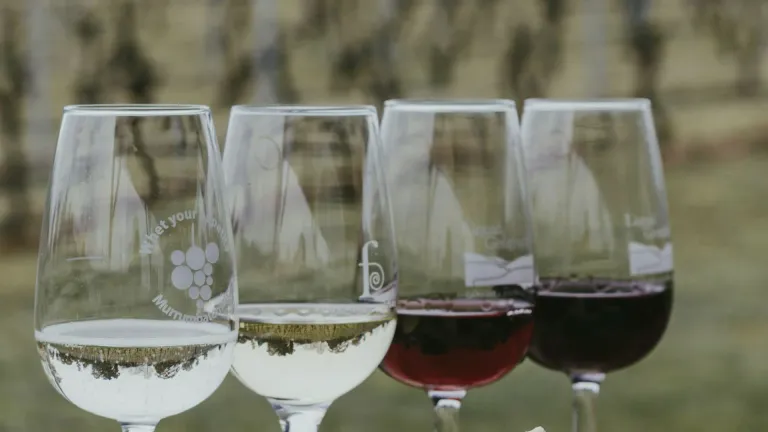
Rioja: an In-Depth Wine Profile
Discover Rioja, a spanish wine full of history! Learn all about it, from the different types of Rioja wines to the best tips to serve it and store it!
Palomino: an In-Depth Wine Profile
Welcome to the world of Palomino wines! Discover which are the main characteristics of these wines, and with which foods you should pair them!
Mencía: an In-Depth Wine Profile
Discover the Mencía wines, a hidden treasure of the Spanish wine world! Learn about its sensory profile and best food pairings!
Godello: an In-Depth Wine Profile
Explore the unique profile of Godello wine, covering its origin, taste and aroma profile and best food pairings
Sherry: an In-Depth Wine Profile
Explore the unique profile of Sherry wine, covering its origin, taste and aroma profile and best food pairings
Monastrell: An In-depth Wine Profile
Do you know what is Monastrell wine? Learn more about the origin, sensory profile and best food pairings for the bold red!
Torrontés: an In-Depth Wine Profile
Explore the unique profile of Torrontés wine, covering its origin, taste and aroma profile and best food pairings
Lambrusco: an In-Depth Wine Profile
Dive into Lambrusco's vibrant profile, from its bubbly charm and taste notes to ideal pairings, and learn how to get the best value for your money!
Verdejo: an In-Depth Wine Profile
Discover Verdejo, a Spanish white wine that is the star of Rueda and highly coveted for its aromas and its refreshing taste
Tempranillo: an In-Depth Wine Profile
Discover the rich flavors and history of Tempranillo, Spain's noble grape. Explore its characteristics, food pairings, and top wine regions.
Trebbiano: an In-Depth Wine Profile
Welcome to the world of Trebbiano wines, a captivating style known for its versatility and refreshing qualities! Click here to learn more
Sangiovese: an In-Depth Wine Profile
Discover Sangiovese, a wine style that is tenowned for their robust character and Versatility. Click here!
Porto Garrafeira: an In-Depth Wine Profile
Explore the unique Porto Garrafeira style, a rare Port style with a distinctive aging process and rich flavors, with this in-depth guide.
Zinfandel: an In-Depth Wine Profile
Learn everything about Zinfandel wines, celebrated for their robust flavors and rich history, in this in-depth profile! Click here
Semillon: an In-Depth Wine Profile
Learn more about Semillon, a wine that is getting more known worldwide, and discover which are the aromatic and taste notes that makes it so unique!
Tannat: an In-Depth Wine Profile
Discover more about Tannat, a flagship wine of Uruguay that has transcended borders and is increasingly popular in other regions of the world
Viognier: an In-Depth Wine Profile
Learn more about Viognier, a wine that is renowned for its aromatic complexity, and its different food pairings!
Cabernet Franc: an In-Depth Wine Profile
Join us on a journey through the world of Cabernet Franc, an elegant and vibrant wine that pairs well with many foods!
Vermouth: an In-Depth Wine Profile
Learn everything about Vermouth wines, from their particular sensory profile to the regions where you can find the best Vermouth! Click here
Chenin Blanc: an In-Depth Wine Profile
Discover Chenin Blanc wine. Explore its history, aroma and flavour, styles and food pairings with this in-depth wine profile from Vinerra!
Grenache: an In-Depth Wine Profile
Your complete guide to Grenache wine — bold flavours, top regions in Spain and France, best food pairings, and how it compares to Syrah.
Pinot Gris: In-Depth Wine Profile
Discover Pinot Gris wine. Explore its history, aroma and flavour, styles and food pairings with this in-depth wine profile from Vinerra!
Sauvignon Blanc: In-Depth Wine Profile
Discover Sauvignon Blanc wine. Explore its history, aroma and flavour, styles and food pairings with this in-depth wine profile from Vinerra!
Gewürztraminer: In-Depth Wine Profile
Discover Gewürztraminer wine. Explore its history, aroma and flavour, styles and food pairings with this in-depth wine profile from Vinerra!
Syrah: In-Depth Wine Profile
Everything about Syrah wine — from Rhône Valley origins to its bold, peppery profile, best food pairings, and how it differs from Shiraz.
Riesling: In-Depth Wine Profile
Discover Riesling wine. Explore its history, aroma and flavour, styles and food pairings with this in-depth wine profile from Vinerra!
Malbec: In-Depth Wine Profile
Discover Malbec wine. Explore its history, aroma and flavour, styles and food pairings with this in-depth wine profile!
Merlot: In-Depth Wine Profile
Discover Merlot wine. Explore its history, aroma and flavour, styles and food pairings with this in-depth wine profile from Vinerra!
Barolo: In-Depth Wine Profile
Discover the unique Barolo flavor profile, and delve into the rich history of this Italian gem in our in depth profile!
Pinot Noir: In-Depth Wine Profile
Discover Pinot Noir wine. Explore its history, aroma and flavour, styles and food pairings with this in-depth wine profile from Vinerra!
Marsala: In-Depth Wine Profile
Discover Marsala wine. Explore its history, aroma and flavour, styles and food pairings with this in-depth wine profile from Vinerra!
Chardonnay: In-Depth Wine Profile
Discover Chardonnay wine. Explore its history, aroma and flavour, styles and food pairings with this in-depth wine profile from Vinerra!
Cabernet Sauvignon: In-Depth Wine Profile
Discover Cabernet Sauvignon wine. Explore its history, aroma and flavour, styles and food pairings with this in-depth wine profile from Vinerra!
Are you interested in collaborating with us?
Get started