
Wines
Rueda: An In-Depth Wine Profile
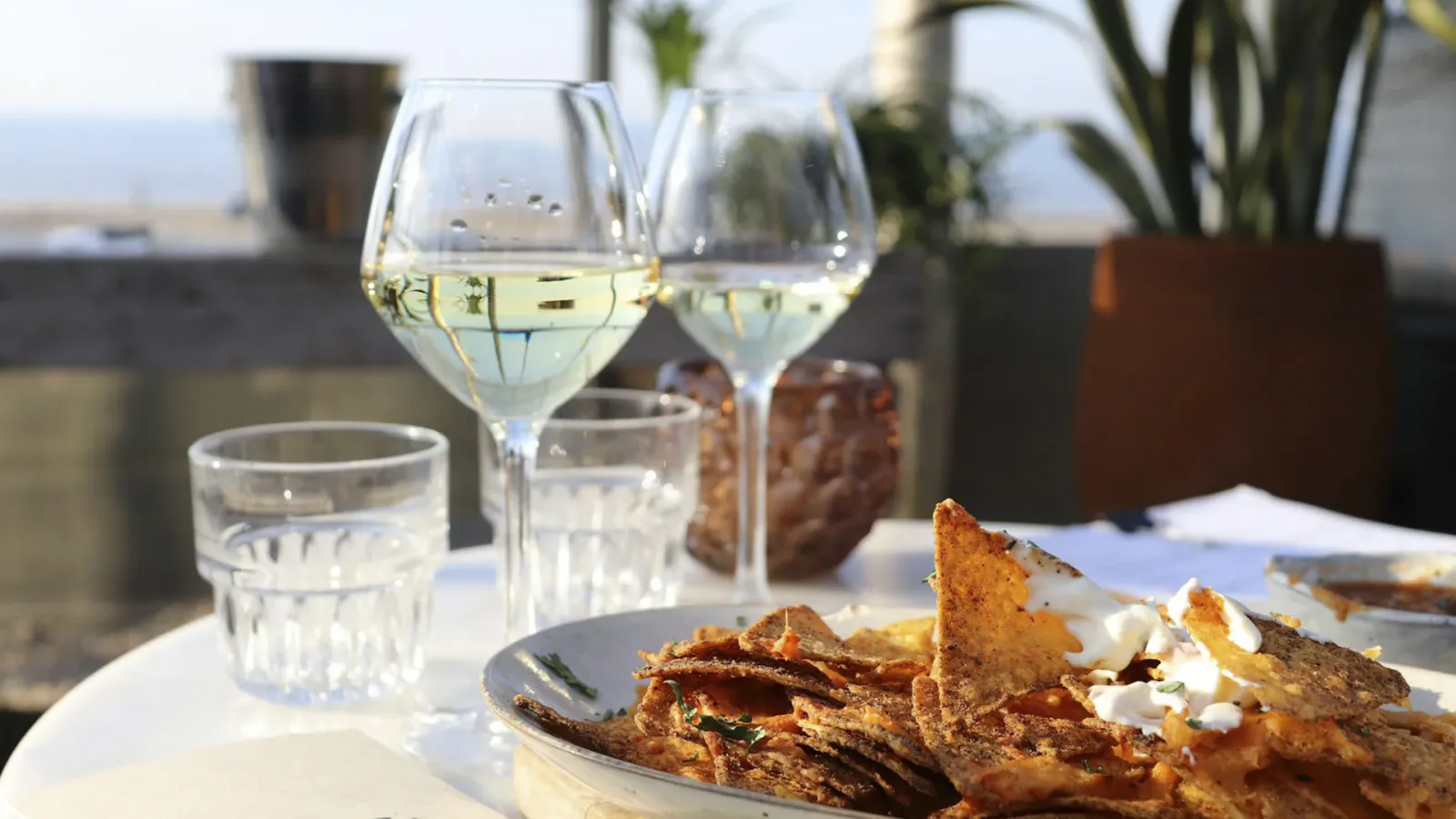
Nestled in the heart of Spain, Rueda DO (Denominación de Origen) is a region synonymous with exquisite white wines, particularly those crafted from the Verdejo grape. This article aims to delve deep into the world of Rueda, guiding you through its rich history, unique terroir, and the sensory delights that its wines offer.
What is Rueda Wine?
Spanish white wine, particularly Rueda wine, is a notable Spanish wine produced in the Rueda DO of Castilla y León. It stands out in Spain’s vast wine landscape. Situated about 150 kilometres northwest of Madrid, this region is celebrated for its fresh and aromatic white wines. While Verdejo remains the star grape, the region also showcases the increasing popularity of Sauvignon Blanc, thanks to evolving wine regulations.
Where does Rueda come from?
The Ancient Roots of Rueda
Wine production in Rueda dates back over a thousand years. The Verdejo grape, originally from North Africa, found its way to southern Spain and eventually settled in Rueda during the 11th century. The region’s elevated, flat terrain, characterized by hot, dry summers and cold winters, provides the ideal conditions for cultivating grapes that yield full-bodied and flavorful wines.
The Strategic Location of Rueda
Rueda’s location within Castilla y León places it in a unique position, geographically and climatically. The region’s elevation and latitude contribute to its distinctive diurnal temperature variation, which plays a crucial role in the development of the grapes' aromatic and flavour profiles.
Climate and Terroir
Understanding Rueda’s Climate
Rueda benefits from a continental climate with significant Atlantic influences. This climate, marked by hot summers, cold winters, and notable temperature differences between day and night, is key to producing wines with balanced acidity and intense flavours.
The Soils of Rueda
Rueda's vineyards are planted in soils that are a mix of sand, gravel, and limestone. These well-drained, sandy soils force the vines to dig deep, resulting in grapes that are concentrated in flavour and rich in minerality. The presence of limestone adds a subtle yet significant mineral quality to the wines.
Altitude and Its Impact
Rueda’s vineyards are situated between 600 and 780 meters above sea level. This altitude slows down the ripening process, allowing the grapes to develop complex flavours while retaining their natural acidity. The cooler temperatures at night are especially beneficial for preserving the freshness and aromatic intensity of the wines.
Grape Varieties
The Star of Rueda: Verdejo
Verdejo is the most important grape in Rueda. It is known for producing wines with vibrant acidity, aromatic intensity, and a characteristic herbal bitterness. Wines made from Verdejo typically exhibit notes of citrus, green apple, and herbs like fennel and anise. Verdejo is also renowned for producing exceptional wines that offer unique tasting experiences.
The Rise of Sauvignon Blanc
Sauvignon Blanc, an international variety, has found a welcoming home in Rueda. Known for its crisp acidity and pronounced aromatic profile, Sauvignon Blanc adds diversity to Rueda's wine offerings. These wines often showcase aromas of grapefruit, lime, and passionfruit with a zesty and refreshing palate.
Viura (Macabeo): The Supporting Actor
Viura, also known as Macabeo, is another grape variety used in Rueda. It is often blended with Verdejo to create a balanced wine. Viura brings a softer, more floral character to the wines, complementing the zesty nature of Verdejo grapes.
Wine Styles and Classification
Rueda Verdejo: The Flagship Wine
Rueda Verdejo wines must contain at least 85% Verdejo, though many are made with 100% of the grape. These wines are celebrated for their fresh citrus flavours, herbal notes, and crisp acidity. They are often enjoyed young but can also be aged to develop more complex, nutty characteristics.
Rueda Sauvignon: A Crisp Alternative
Rueda Sauvignon wines are made predominantly from Sauvignon Blanc grapes. They are light and refreshing and perfect for those who enjoy the zesty, citrus-driven character of Sauvignon Blanc. They offer a different expression of the Rueda terroir, refreshing white wines with a focus on bright, fresh flavours.
Rueda Blanco: The Versatile Blend
Rueda Blanco is a blend that typically includes Verdejo, Viura, and sometimes Sauvignon Blanc. This style offers a well-rounded wine with a balance of fruitiness, acidity, and floral notes. It’s a versatile wine that pairs well with a variety of foods.
Rueda Espumoso: The Sparkling Side
Rueda Espumoso is the region’s sparkling wine. It comes in two styles: Blanco (white) and Rosado (rose). The Blanco is made with a minimum of 75% Verdejo and Sauvignon Blanc grapes. These sparkling wines, crafted from the same Verdejo grape variety, are lively and effervescent, with flavours of green apple, lemon, and brioche. The Rosado requires a minimum of 50% of red grape varieties authorized by the Rueda DO. Espumoso is perfect for celebrations or as an aperitif.
Rueda Dorado: A Richer Experience
A traditional wine made via oxidative ageing that must be left in oak barrels for at least two years before bottling. The oxidative ageing and the barrels give the wine a deep golden colour and rich, nutty flavours. The wine has to be a minimum of 15º ABV. These wines are full-bodied and complex, with notes of toasted almonds, honey, and dried fruits. They are often fortified wines that are often enjoyed as dessert wines or with strong cheeses.
Gran Vino de Rueda: The Prestige Wine
Gran Vino de Rueda is an exceptional wine made from older vines with lower yields. These wines are more concentrated and complex, offering deeper flavours and a longer aging potential. They are a testament to the region’s ability to produce wines of exceptional quality.
Winemaking Practices
Traditional Viticulture in Rueda
Rueda has a long history of bush vine farming, where vines are grown as low, bushy plants rather than being trained on trellises. This traditional method helps to protect the grapes from the harsh sun and conserves moisture in the soil.
Modern Innovations in Winemaking
In recent years, Rueda has embraced modern winemaking techniques, including night-harvesting and temperature-controlled fermentation. Night harvesting is particularly important in preserving the freshness of the grapes by reducing the risk of oxidation and preventing the grapes from losing their aromatic intensity.
Sustainability and Organic Practices
Rueda is a region that values sustainability. Many wineries are adopting organic and biodynamic practices, reducing their environmental impact and producing wines that reflect the purity of the region’s terroir.
Sensory Profile of Rueda Wine
Visual Aspect and Body
The white Rueda wines typically present a light yellow colour, often with hints of green, indicating their youth and freshness. In the glass, these wines are medium-bodied, offering a perfect balance between lightness and structure.
When compared to Pinot Noir, the red Rueda wines exhibit a lighter hue and less depth of colour, emphasizing their vibrant and youthful appearance. In contrast, Cabernet Sauvignon, when young, shows a deeper purple hue, highlighting the distinct visual characteristics between these varieties.
Aromatic Notes
White Rueda wines are known for their complex aromatic profiles, which can be divided into primary, secondary, and tertiary aromas.
- Primary Aromas: These include citrus fruits like lemon and grapefruit, stone fruits such as peach and apricot, and a distinct herbal note reminiscent of fennel and anise.
- Secondary Aromas: These develop from the winemaking process and can include brioche, yeasty notes, and a creamy character from lees aging.
- Tertiary Aromas: In aged Rueda wines, you might find more complex notes of almond, honey, and toasted nuts, adding depth to the wine’s profile.
Taste Notes
On the palate, the white Rueda wines are fresh and lively, with flavours that mirror their aromatic profile. The primary flavours often include green apple, citrus zest, and pear, while secondary flavours can introduce creamy textures and vanilla notes from oak aging. Aged Rueda wines offer tertiary flavours such as toasted bread, nuts, and spices, creating a rich and layered tasting experience.
Tasting notes are essential tools for documenting and improving wine appreciation. They allow enthusiasts to articulate their experiences and compare wines effectively.
Best Food Pairings for Rueda Wines
Seafood: The Perfect Match
Rueda wines, particularly those made from Verdejo, are a natural pairing with seafood. The wine’s bright acidity and citrus notes complement dishes like grilled sardines, squid, and seafood paella. Shellfish, such as mussels and clams, also pair beautifully with Rueda.
Chicken and Pork: A Delightful Contrast
Rueda’s fresh and zesty character makes it an excellent companion for lighter meats like chicken and pork. Whether it’s chicken cooked with lime or in almond sauce or pork dishes with a touch of sweetness, Rueda’s refreshing acidity and freshness provide a delightful contrast.
Vegetables: A Versatile Companion
Rueda wines are versatile enough to pair with a variety of vegetable dishes. They work particularly well with challenging vegetables like asparagus and artichokes, and their crispness enhances green salads with tangy dressings.
Cheese: A Match Made in Heaven
Soft, fresh cheeses such as goat cheese, feta, and Manchego find their perfect partner in Rueda wines. The wine’s crisp acidity cuts through the richness of the cheese, creating a harmonious pairing.
Spicy and Flavorful Foods: Embracing Bold Flavors
Rueda’s zesty profile makes it a great match for spicy and flavorful cuisines. Whether you’re enjoying Mexican dishes like tacos and guacamole or Asian noodle salads, Rueda’s lively acidity and fruitiness complement and enhance these bold flavours.
Main Regions of Rueda Wine Production and Climate Influence

Rueda Central: The Heart of the Region
The central area around the town of Rueda is the heart of the DO. This flat, elevated region experiences hot days and cool to cold nights here, a temperature variation that contributes to the wine’s freshness and complexity. The soil here, rich in gravel and limestone, adds a mineral edge to the wines.
Segovia: The Cooler Side of Rueda
Segovia, located to the east of the DO, sits at an even higher altitude, resulting in cooler temperatures. The wines from this area often have a sharper acidity and a distinctive mineral character influenced by the chalky soils.
Valladolid: The Warmer West
Valladolid, to the west of Rueda, is slightly warmer, allowing the grapes to achieve fuller ripeness. The wines from this area tend to be richer and fruitier, though they still maintain the characteristic freshness of Rueda due to the cool nights.
Climate’s Role in Winemaking
The climate of the Rueda region plays a crucial role in shaping the character of its wines. The hot summers ensure that the grapes reach full ripeness, while the cool nights preserve fresh fruit flavour and acidity. This balance between ripeness and freshness is what makes Rueda wines so appealing.
The Importance of Soil Composition
The sandy, rocky soils of Rueda, with a significant limestone component, are ideal for viticulture. These soils force the vines to work harder, resulting in grapes with concentrated flavours and a touch of minerality that adds complexity to the wines.
Tips for Serving and Storing Rueda Wine
Serving Rueda Wines
- Optimal Serving Temperature: Young white Rueda wines should be served at a cool 6-8°C (43-46°F) to highlight their refreshing qualities. Older, oak-aged wines benefit from a slightly warmer temperature, around 10-12°C (50-54°F), to allow their complex aromas and flavours to express themselves fully.
- Choosing the Right Glass: Use a standard white wine glass that allows the aromas to concentrate without dispersing too quickly.
Storing Rueda Wines
- Temperature Control: Store your Rueda wines in a cool, consistent environment, ideally between 10-14°C (50-58°F). Fluctuating temperatures can accelerate aging and negatively impact the wine’s quality.
- Humidity Matters: Maintain a humidity level of 60-70% to prevent the corks from drying out, which could lead to oxidation.
- Light Exposure: Keep your wines away from direct light, as exposure to light can cause premature aging.
- Horizontal Storage: Store the bottles horizontally to keep the cork moist and prevent air from seeping in.
Verdejo Wines from Rueda vs Verdejo of Other Areas
Similarities in Verdejo Wines
Thanks to the consistency of the Verdejo grape variety's characteristics, Verdejo wines across Castilla y León share common traits and unique characteristics such as fresh acidity and lively citrus and herbal notes.
Influence of Terroir: Rueda vs. Other Regions
The terroir of Rueda, with its significant diurnal temperature variation, contributes to the wine's aromatic intensity and freshness. Other regions in Castilla y León may have more moderate temperatures, resulting in wines that are softer and slightly less aromatic.
Winemaking Styles: Rueda’s Signature Freshness
Rueda is renowned for its fresh, young wines, often with white grapes harvested at night to preserve their bright flavours. In contrast, other regions might favour oak aging, leading to wines with a more complex, nutty profile.
Final Thoughts
The Essence of Rueda Wine
Rueda is a region that masterfully blends tradition with innovation. Its wines, particularly those made from Verdejo, offer a unique taste of Spain’s winemaking heritage, characterized by freshness, aromatic complexity, and a deep connection to the land.
Why Choose Rueda?
Whether you are a seasoned wine enthusiast or a curious beginner, Rueda wines offer something for everyone. From the bright, zesty whites perfect for casual sipping to the more complex, aged offerings that pair beautifully with a variety of dishes, Rueda’s versatility and quality make it a standout in the world of wine.
Additional Resources
Further Reading
For those interested in delving deeper into Rueda wines, consider exploring books and articles that cover the history and production of wines in Castilla y León.
Visiting Rueda
If you’re planning a trip to Spain, visiting Rueda offers an opportunity to experience the region’s exceptional wins firsthand. Many wineries offer tours and tastings, allowing you to see the vineyards and production facilities up close.
This comprehensive guide should provide you with a thorough understanding of Rueda wines, from their historical roots to their sensory characteristics and beyond. Whether you're selecting a bottle for dinner or planning a visit to the region, this knowledge will enhance your appreciation of one of Spain’s most beloved wine regions.
Reference Sources:
Discover more wines
Casavecchia Wine: An In-Depth Profile
Discover the rich flavors and unique characteristics of Casavecchia wine, Italy's lesser-known treasure.
Classic Penedès: an In-Depth Wine Profile
Learn about Classic Penedès, the organic traditional-method sparkling wine from Spain with rich heritage and vibrant bubbles
Corpinnat: an In-Depth Wine Profile
Explore Corpinnat’s break from Cava, strict quality rules, and identity in this in-depth Vinerra wine profile.
Rondo: an In-Depth Wine Profile
Discover Rondo, a vibrant northern European red wine with deep ruby colour, balanced flavour, and cool-climate charm!
Solaris: an In-Depth Wine Profile
Discover Solaris wine: a cool-climate white with vibrant aromas, crisp acidity, and versatile styles for every palate!
Kerner: An In-Depth Wine Profile
Discover Kerner, a wine that will enchant you with its fresh aromas and versatile food pairing combinations!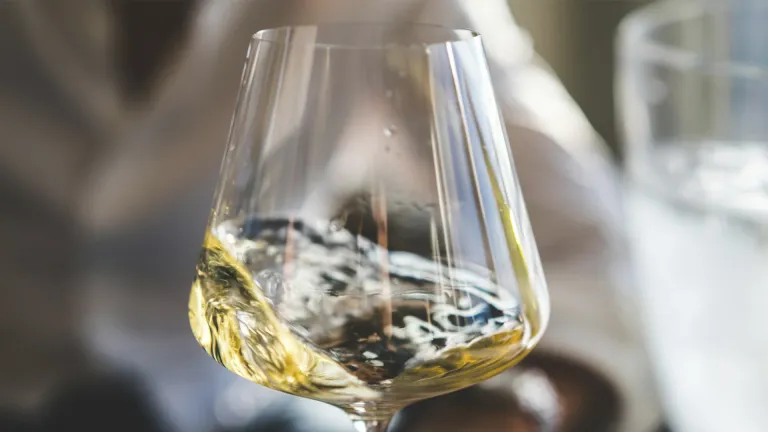
Hondarrabi Zuri: An In-Depth Wine Profile
Discover Hondarrabi Zuri, Basque Country’s iconic wine, its flavors, heritage, and perfect food pairings!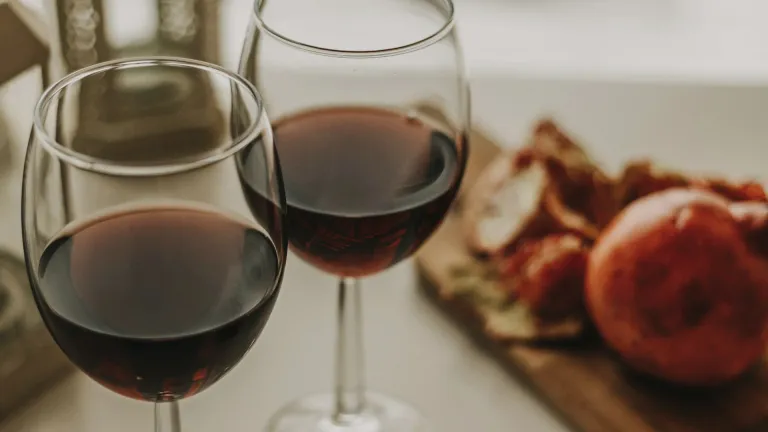
Discovering Rasheh Wine: A Journey Through Iran’s Unique Vintage
Smuggled grapes, ancient terroir, and bold defiance— Discover Rasheh, a wine made under pressure and against all odds!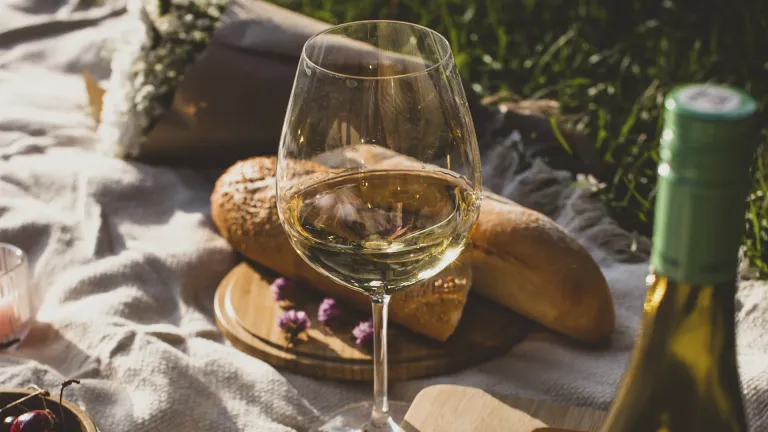
Pálava Wine: Characteristics and Best Pairings
Tired of Chardonnay? Step off the beaten path with Pálava—an aromatic Czech gem bursting with flavor and personality!
Frappato: an In-Depth Wine Profile
Explore the charm of Frappato wine—light-bodied, floral, and full of Sicilian character. A red that’s both chillable and bold!
Arneis: An In-Depth Wine Profile
Explore Arneis wine: its origins, flavor notes, and why sommeliers love it. A must-try for adventurous palates!
Alicante Bouschet: An In-Depth Wine Profile
Discover Alicante Bouschet: a deep, spicy red that’s redefining bold wines in a warming world. Try it before it trends!
Concord: An In-Depth Wine Profile
Discover Concord wine: bold, sweet, and nostalgic. Explore its history, flavors, and pairings that make it a true American icon.
Chambourcin: An In-Depth Wine Profile
Uncover the bold flavors and pairings of Chambourcin wines—your guide to tasting, enjoying, and elevating every sip.
Colombard: An In-Depth Wine Profile
Discover Colombard: a crisp, underrated white wine with vibrant flavors, smart pairings, and unbeatable value!Baga: An In-Depth Wine Profile
Baga offers power, elegance, and terroir expression— Learn about Portugal’s best-kept secret for adventurous wine lovers.
Bobal: An In-Depth Wine Profile
Bobal wine is Spain’s hidden treasure. Explore its bold flavors, rich history, and perfect food pairings!
Baco Noir: An In-Depth Wine Profile
Explore Baco Noir’s bold flavors, perfect pairings, and unique charm—your gateway to this standout grape varietal!
Catawba: An In-Depth Wine Profile
Discover Catawba wine’s bold flavors, rich history, and charm—and why this iconic American grape belongs in your collection!
Müller Thurgau: An In-Depth Wine Profile
Discover Müller-Thurgau’s origins, aromas, and flavors—a fresh, floral white that’s versatile, affordable, and full of charm!
Lagrein: An In-Depth Wine Profile
Discover Lagrein, Alto Adige’s bold red. Explore its flavors, pairings, and why this rare Alpine wine is a must-try!
Verdicchio: An In-Depth Wine Profile
Discover Verdicchio’s origins, terroir, flavor profile, and aging potential in Vinerra’s in-depth guide to this iconic Italian white.
Furmint: An In-Depth Wine Profile
Discover the world of Furmint, Hungary's exceptional white wine. Learn about its tasting notes and food pairings!
Carignan: An In-Depth Wine Profile
Discover Carignan’s origins, flavor profile, structure, and global revival in Vinerra’s in-depth wine guide
Bonarda: An In-Depth Wine Profile
Explore Bonarda’s history, bold fruit character, and growing importance in Argentina in this in-depth Vinerra wine profile
Aglianico: An In-Depth Wine Profile
Explore the rich profile of Aglianico wine, its flavor notes, and perfect food pairings in our comprehensive profile!
Dolcetto: An In-Depth Wine Profile
Explore Dolcetto's unique characteristics, ideal pairings, and aging potential. Dive into our detailed wine profile!
Falanghina: An In-Depth Wine Profile
Explore Falanghina’s history, flavor profile, and modern revival in southern Italy in this in-depth Vinerra wine profile
Fiano: An In-Depth Wine Profile
Discover Fiano, Italy’s rising star—learn its traits, best pairings, and why it belongs in your wine collection!
Vermentino (Rolle) Wine: An In-Depth Profile
Explore Vermentino's vibrant flavors, origins, and food pairings—perfect for wine lovers and curious newcomers alike!
Touriga Nacional: An In-Depth Wine Profile
Uncover Touriga Nacional’s bold flavors, rich history, and perfect pairings in this deep dive into Portugal’s iconic red wine!
Petit Verdot: An In-Depth Wine Profile
Explore the rich profile of Petit Verdot, its unique characteristics, and tasting notes, in our in-depth profile!
Côtes du Rhône Blend: An In-Depth Wine Profile
Explore the rich flavors and characteristics of Côtes du Rhône blends. Gain tasting insights and enhance your wine knowledge!
Chianti Blend: An In-Depth Wine Profile
Discover the nuances of Chianti Blend in this comprehensive guide. Learn about its flavors, food pairings, and tasting tips!
Montepulciano: An In-Depth Wine Profile
Explore Montepulciano wine’s rich history and flavors with expert tips—perfect for enthusiasts and collectors alike!
Primitivo: An In-Depth Wine Profile
Discover the rich flavors and history of Primitivo wine in this guide for enthusiasts and aficionados!
Bordeaux White Blend: An In-Depth Wine Profile
Discover the flavors and characteristics of Bordeaux White Blend. Enhance your wine knowledge with this insightful profile!
Bordeaux Red Blend: An In-Depth Wine Profile
Explore the rich flavors and complexities of Bordeaux red blends with our detailed profile and tasting guide!
Valpolicella: An In-Depth Wine Profile
Discover the rich flavors and history of Valpolicella wines. This guide offers insights for both enthusiasts and collectors!
Assyrtiko: The In-Depth Wine Profile
Explore Assyrtiko, Greece's prized grape variety. Learn about its unique characteristics, flavor profiles, and food pairings!
Nero d’Avola: An In-depth Wine Profile
Discover the unique characteristics of Nero d'Avola in this in-depth profile, perfect for both wine enthusiasts and newcomers!
Moscato: A Deep Dive into the World’s Most Misunderstood Grape
Discover the best Moscato wines that delight the palate with sweetness and flavor, with our In-depth profile!
The Gamay Wine Profile: Beaujolais and Beyond
Explore the rich flavors, diverse regions, and perfect pairings of Gamay wine. Discover how to enhance your wine experience!
Discover the Secrets of Airén: The In-depth Wine Profile
Discover the unique qualities and rich history of Airén grapes. Learn how this versatile variety shapes wines today!
Acıkara: An In-Depth Wine Profile of a Unique Turkish Grape Variety
Discover the characteristics of Acıkara, Anatolia's distinctive grape variety, and explore its potential in the world of wine!
Nebbiolo: an In-Depth Wine Profile
Discover the essence of Nebbiolo wine through its unique terroir, rich traditions and best food pairings!
Fetească Neagră: An In-Depth Wine Profile of Romania’s Signature Grape
Discover the rich flavors, history, and best food pairings of Fetească Neagră, Romania's distinctive wine!
Pinot Meunier: An In-Depth Wine Profile
Discover the distinct characteristics of Pinot Meunier, a lesser-known wine from the Champagne region!
Acolon: an In-Depth Wine Profile
Discover Acolon’s German origins, parentage, flavor profile, and structure in Vinerra’s in-depth wine guide
Mavro: An In-Depth Wine Profile
Discover the rich flavors and cultural heritage of Mavro wine. Dive into the unique profile of this Cypriot gem!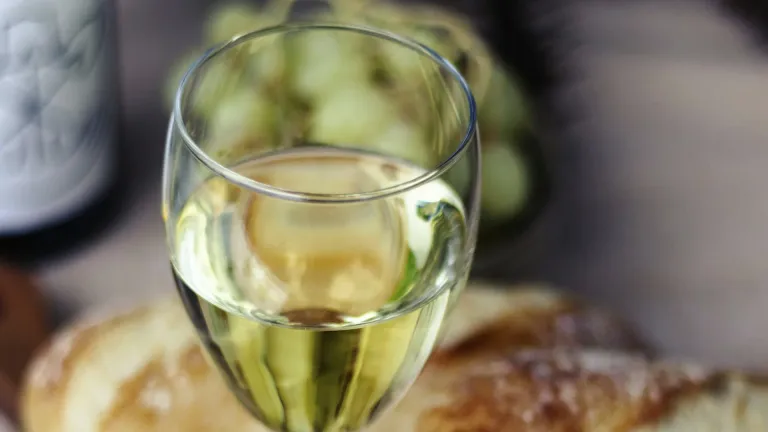
Aligoté: an In-Depth Wine Profile
Discover Aligoté, Burgundy's overlooked gem. Learn about its unique characteristics, and why it deserves a place in your glass!
Kanella: an In-Depth Wine Profile
Explore the unique characteristics and flavor profiles of Kanella wine. Learn about its origins and best food pairings!
Xynisteri: an In-Depth Wine Profile
Discover the unique characteristics of Xynisteri, Cyprus' premier white wine, and why it deserves a place in your glass!
Altesse: An In-Depth Wine Profile
Explore the unique characteristics of Altesse wine, from its characteristic tasting notes to ideal pairings!
Alphonse Lavallée: An In-Depth Wine Profile
Explore Alphonse Lavallée's unique wines, their characteristics, tasting notes, and best food pairings!
Maratheftiko: An In-Depth Wine Profile
Explore the rich flavors and history of Maratheftiko, Cyprus's prized wine. Discover its unique characteristics today!
Morokanella: An In-Depth Wine Profile
Discover the distinct characteristics and flavors of Morokanella, one of the indigenous wines of Cyprus!
Yiannoudi: An In-Depth Wine Profile
Explore Yiannoudi, Cyprus's distinctive grape variety, its unique characteristics, and winemaking potential!
Glera: an In-Depth Wine Profile
Explore Glera’s history, fresh aromatics, and defining role in Prosecco in this in-depth Vinerra wine profile.-768x432.webp)
Incrocio Bruni 54: an In-Depth Wine Profile
Discover the characteristics of Incrocio Bruni 54, a hybrid wine from Marche, like its flavor profile or best pairings!
Pinotage: An In-Depth Wine Profile
Explore the rich flavors and characteristics of Pinotage, South Africa's unique grape. Discover its rich history and best pairings!-768x432.webp)
Lambrusco Salamino: an In-Depth Wine Profile
Discover the characteristics of Lambrusco Salamino, its flavor profile, best food pairings and enhance your wine knowledge!-768x432.webp)
Lambrusco Maestri: an In-Depth Wine Profile
Discover the unique characteristics of Lambrusco Maestri. Dive into this wine profile and elevate your wine knowledge!-768x432.webp)
Ancellotta: an In-Depth Wine Profile
Explore the rich profile of Ancellotta wine, its unique flavors, ideal pairings and best expressions!
Lambrusco di Sorbara: an In-Depth Wine Profile
Explore the refreshing flavors of Lambrusco di Sorbara, a sparkling Italian wine. Learn about its origins and best food pairings!
Lambrusco Grasparossa Wine: an In-Depth Profile
Discover the best Lambrusco Grasparossa wines for your next celebration. Elevate your knowledge with our recommendations!
Greco Bianco: An In-Depth Wine Profile
Discover Greco Bianco, an exquisite Italian white wine. Explore its unique characteristics and best food pairings!
Cortese Bianco: An Italian White Worth Noting
Learn about Cortese Bianco unique flavors and get food pairing recommendations to elevate your wine experience!
A Comprehensive Guide to Pinot Blanc Wine
Discover the elegance of Pinot Blanc wine with our comprehensive guide. Learn about its flavors and best food pairings!
Riesling Renano: The Noble Aristocrat of White Wine
Explore top Riesling Renano wines perfect for your celebrations. Find your ideal choice to elevate any occasion!
Discovering Uva Rara Wine: A Hidden Gem of Italian Red Varietals
Explore the unique flavors of Uva Rara wine, a lesser-known Italian red. Learn about its origins and food pairings
Discovering Croatina: The Unique Grape Behind Bold Italian Wines
Explore the bold flavors of Croatina, a unique grape variety shaping Italian wines. Learn about its unique characteristics
Discover the Rich Flavors of Vespolina Wine: A Comprehensive Guide
Explore the unique flavors of Vespolina wine and learn about its origins, aromatic, tasting notes, and food pairings!
Welschriesling Wine: Discover Its Unique Flavors and Characteristics
Explore the distinct flavors and characteristics of Welschriesling wine. Learn what makes this varietal unique!
Grenache Blanc: An In-Depth Wine Profile
Explore the unique characteristics of Grenache Blanc and the perfect food pairings to enhance your wine experience!
Clairette: an In-Depth Wine Profile
Explore Clairette’s history, terroir, flavor profile, and role in Rhône wines with Vinerra’s comprehensive guide
Mourvèdre: an In-Depth Wine Profile
Explore the rich flavors of Mourvèdre wines in this comprehensive profile, perfect for both enthusiasts and connoisseurs!
Cinsault: an In-Depth Wine Profile
Discover Cinsault’s origins, delicate structure, and role in southern French wines in Vinerra’s in-depth wine guide
Roussanne: an In-Depth Wine Profile
Explore the unique characteristics of Roussanne wine, its perfect food pairings, and why it's a must-try for enthusiasts!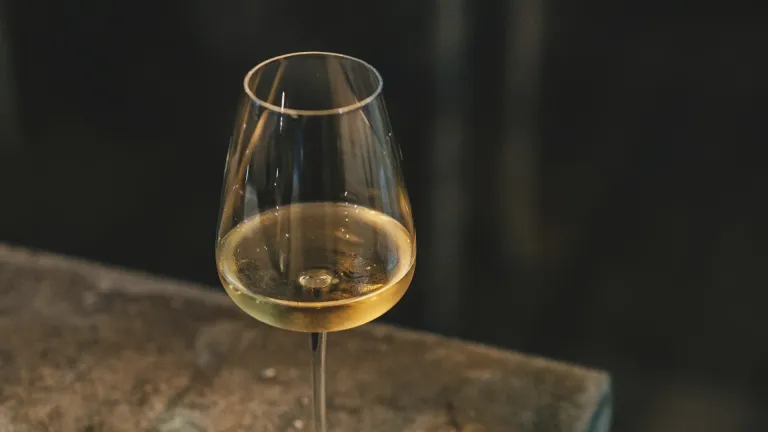
Marsanne: An In-Depth Profile for Wine Lovers
Explore the unique characteristics of Marsanne wine, and discover why it's a must-try for collectors and enthusiasts!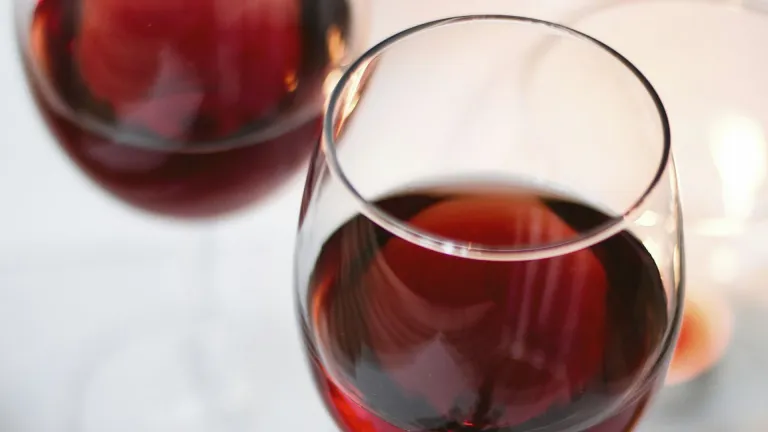
Sagrantino: Discovering the Bold Flavors of Umbria’s Finest Wine
Explore the bold, complex flavors of Sagrantino, the signature Umbrian wine, and learn about its history and best food pairings!
Malvasia Nera: An In-Depth Wine Profile
Learn about the rich flavors of Malvasia Nera, a delightful Italian red wine, and why it deserves a spot in your collection!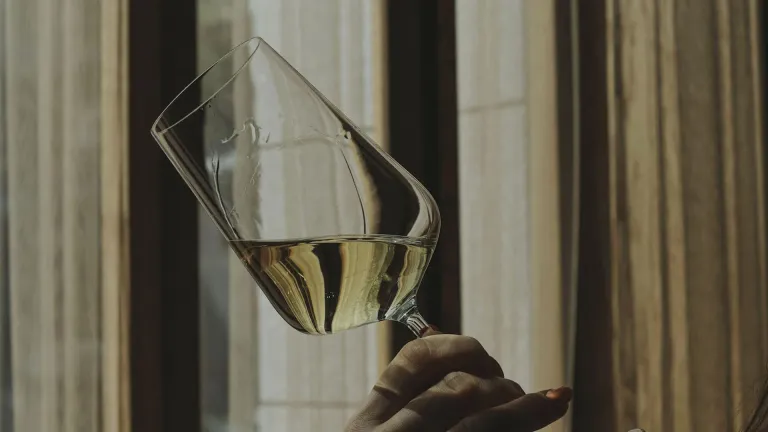
Vin Jaune: An In-Depth Profile of this Wine Treasure
Discover the distinct flavors and heritage of Vin Jaune, the Jura's unique wine. Learn about its tasting notes, and food pairings!
Macabeo Wine: Discover Its Unique Flavors and Characteristics
Explore the distinct flavors and characteristics of Macabeo wine. Learn what makes it special and how to enjoy it!
Carmenere: an In-Depth Wine Profile
Discover the rich profile of Carmenere wine, including tasting notes and ideal food pairings. Elevate your wine experience!
White Zinfandel Wine: the Essential Guide
Explore the world of White Zinfandel in this essential guide, featuring tasting notes, and tips for choosing the perfect bottle!
Petite Sirah: an In-Depth Wine Profile
Dive into the boldness of Petite Syrah, and discover its unique aromas, flavors and pairings, with this in-depth profile!
Cigales: an In-Depth Wine Profile
Discover the unique wines of Cigales, Spain's emerging region. Explore profiles, flavors, and what sets these wines apart!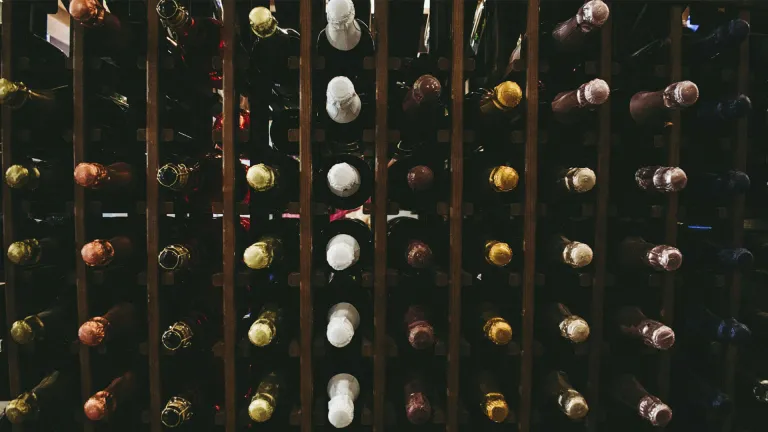
The Wines of Penedès: A Comprehensive Guide
Explore the Penedès wine region through a detailed profile that highlights its unique varietals and tasting notes.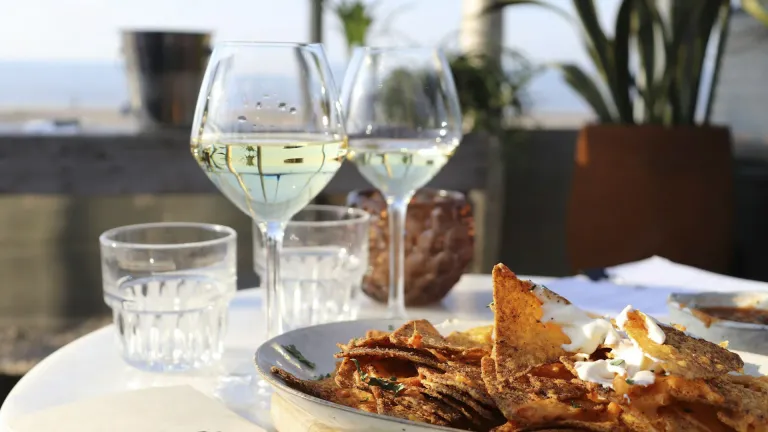
Rueda: An In-Depth Wine Profile
Explore Rueda, Spain's vibrant white wine region. Discover the unique characteristics of its wines and grape varieties!-768x432.webp)
Albariño: an In-Depth Wine Profile
Discover the refreshing and aromatic Albariño wine, one of the most precious jewels in the coasts of Portugal and Spain!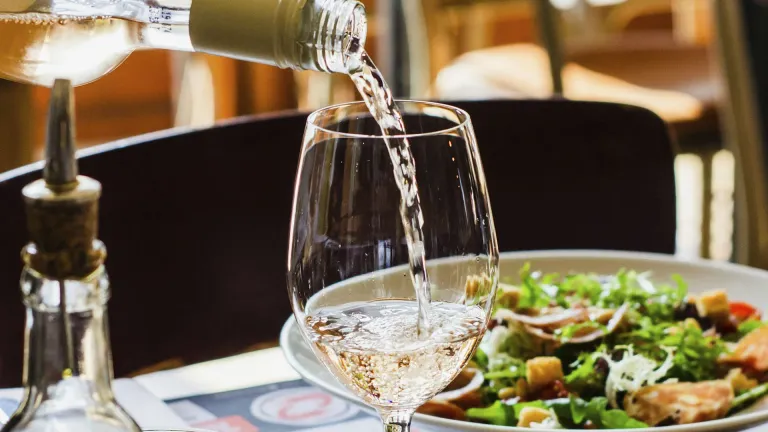
Txakoli: an In-Depth Wine Profile
Discover all the secrets of Txakoli, the most vibrant, refreshing and best kept secret of the Basque Country!
Amarone della Valpolicella: an In-Depth Wine Profile
Jump straight into the world of Amarone della Valpolicella, a delicious Italian red wine that is stepped in tradition!
Moscatel: an In-Depth Wine Profile
Welcome to the amazing world of Moscatel! Learn more about this wine gem, often overshadowed by its more famous cousin Moscato.
Barbera: an In-Depth Wine Profile
Learn about the aromatic and flavor profile of Barbera, and dive into the rich heritage of this Italian wine gem!
Grüner Veltliner: an In-Depth Wine Profile
Delve into the secrets of Grüner Veltliner, an Austrian wine that is slowly getting more and more recognizement around the world!
Vinho Verde: an In-Depth Wine Profile
Everything about Vinho Verde wine — crisp taste, Alvarinho grapes, top sub-regions of Portugal, and the best food pairings.
Muscadet: an In-Depth Wine Profile
Learn all about Muscadet, a French wine stepped in tradition! Discover the main food pairings, and how to choose the best bottles of this wine!
Soave: an In-Depth Wine Profile
Discover the iconic Soave wines! Learn which are the best food pairings for Soave, as well as its most common aromatic and flavor notes!
Valpolicella Ripasso: an In-Depth Wine Profile
Discover the Valpolicella Ripasso wine! Here, you will learn everything about it, from how it is made to the best food pairings for this iconic wine!
Ribera del Duero: an In-Depth Wine Profile
Discover the Ribera del Duero wines! Learn which are their main characteristics, and the differences with Rioja, another iconic Spanish wine.
Rioja: an In-Depth Wine Profile
Discover Rioja, a spanish wine full of history! Learn all about it, from the different types of Rioja wines to the best tips to serve it and store it!
Palomino: an In-Depth Wine Profile
Welcome to the world of Palomino wines! Discover which are the main characteristics of these wines, and with which foods you should pair them!
Mencía: an In-Depth Wine Profile
Discover the Mencía wines, a hidden treasure of the Spanish wine world! Learn about its sensory profile and best food pairings!
Godello: an In-Depth Wine Profile
Explore the unique profile of Godello wine, covering its origin, taste and aroma profile and best food pairings
Sherry: an In-Depth Wine Profile
Explore the unique profile of Sherry wine, covering its origin, taste and aroma profile and best food pairings
Monastrell: An In-depth Wine Profile
Do you know what is Monastrell wine? Learn more about the origin, sensory profile and best food pairings for the bold red!
Torrontés: an In-Depth Wine Profile
Explore the unique profile of Torrontés wine, covering its origin, taste and aroma profile and best food pairings
Lambrusco: an In-Depth Wine Profile
Dive into Lambrusco's vibrant profile, from its bubbly charm and taste notes to ideal pairings, and learn how to get the best value for your money!
Verdejo: an In-Depth Wine Profile
Discover Verdejo, a Spanish white wine that is the star of Rueda and highly coveted for its aromas and its refreshing taste
Tempranillo: an In-Depth Wine Profile
Discover the rich flavors and history of Tempranillo, Spain's noble grape. Explore its characteristics, food pairings, and top wine regions.
Trebbiano: an In-Depth Wine Profile
Welcome to the world of Trebbiano wines, a captivating style known for its versatility and refreshing qualities! Click here to learn more-768x432.webp)
Sangiovese: an In-Depth Wine Profile
Discover Sangiovese, a wine style that is tenowned for their robust character and Versatility. Click here!
Porto Garrafeira: an In-Depth Wine Profile
Explore the unique Porto Garrafeira style, a rare Port style with a distinctive aging process and rich flavors, with this in-depth guide.
Zinfandel: an In-Depth Wine Profile
Learn everything about Zinfandel wines, celebrated for their robust flavors and rich history, in this in-depth profile! Click here
Semillon: an In-Depth Wine Profile
Learn more about Semillon, a wine that is getting more known worldwide, and discover which are the aromatic and taste notes that makes it so unique!
Tannat: an In-Depth Wine Profile
Discover more about Tannat, a flagship wine of Uruguay that has transcended borders and is increasingly popular in other regions of the world-768x432.webp)
Viognier: an In-Depth Wine Profile
Learn more about Viognier, a wine that is renowned for its aromatic complexity, and its different food pairings!
Cabernet Franc: an In-Depth Wine Profile
Join us on a journey through the world of Cabernet Franc, an elegant and vibrant wine that pairs well with many foods!
Vermouth: an In-Depth Wine Profile
Learn everything about Vermouth wines, from their particular sensory profile to the regions where you can find the best Vermouth! Click here
Chenin Blanc: an In-Depth Wine Profile
Discover Chenin Blanc wine. Explore its history, aroma and flavour, styles and food pairings with this in-depth wine profile from Vinerra!
Grenache: an In-Depth Wine Profile
Your complete guide to Grenache wine — bold flavours, top regions in Spain and France, best food pairings, and how it compares to Syrah.
Pinot Gris: In-Depth Wine Profile
Discover Pinot Gris wine. Explore its history, aroma and flavour, styles and food pairings with this in-depth wine profile from Vinerra!
Sauvignon Blanc: In-Depth Wine Profile
Discover Sauvignon Blanc wine. Explore its history, aroma and flavour, styles and food pairings with this in-depth wine profile from Vinerra!
Gewürztraminer: In-Depth Wine Profile
Discover Gewürztraminer wine. Explore its history, aroma and flavour, styles and food pairings with this in-depth wine profile from Vinerra!
Syrah: In-Depth Wine Profile
Everything about Syrah wine — from Rhône Valley origins to its bold, peppery profile, best food pairings, and how it differs from Shiraz.
Riesling: In-Depth Wine Profile
Discover Riesling wine. Explore its history, aroma and flavour, styles and food pairings with this in-depth wine profile from Vinerra!
Malbec: In-Depth Wine Profile
Discover Malbec wine. Explore its history, aroma and flavour, styles and food pairings with this in-depth wine profile!
Merlot: In-Depth Wine Profile
Discover Merlot wine. Explore its history, aroma and flavour, styles and food pairings with this in-depth wine profile from Vinerra!
Barolo: In-Depth Wine Profile
Discover the unique Barolo flavor profile, and delve into the rich history of this Italian gem in our in depth profile!
Pinot Noir: In-Depth Wine Profile
Discover Pinot Noir wine. Explore its history, aroma and flavour, styles and food pairings with this in-depth wine profile from Vinerra!
Marsala: In-Depth Wine Profile
Discover Marsala wine. Explore its history, aroma and flavour, styles and food pairings with this in-depth wine profile from Vinerra!
Chardonnay: In-Depth Wine Profile
Discover Chardonnay wine. Explore its history, aroma and flavour, styles and food pairings with this in-depth wine profile from Vinerra!
Cabernet Sauvignon: In-Depth Wine Profile
Discover Cabernet Sauvignon wine. Explore its history, aroma and flavour, styles and food pairings with this in-depth wine profile from Vinerra!
Are you interested in collaborating with us?
Get started