

Welcome to the world of Chardonnay, a versatile white wine grape that has captured the hearts of wine enthusiasts across the globe. Whether you're a wine novice or an experienced enthusiast, this guide is designed for anyone interested in learning more about Chardonnay. Understanding Chardonnay helps you appreciate its diversity and make informed choices when selecting wine. Often called the "queen of white wines," Chardonnay offers a captivating spectrum of styles, from crisp and refreshing to rich and opulent. This comprehensive page covers all aspects of Chardonnay, including its grape variety, wine styles, and global importance. This guide explores its history, the influence of climate, winemaking techniques, aromatic notes, taste profile, food pairings, serving tips, and sustainability practices. Whether you're a seasoned connoisseur or just beginning to explore, this guide will deepen your appreciation of Chardonnay wines.
Chardonnay is a green-skinned grape variety used in the production of white wine. Chardonnay is celebrated for its incredible adaptability to various climates and terroirs, making it one of the most sought-after white wine varietals globally. Chardonnay is the most planted white wine grape on Earth. Its chameleon-like nature has enchanted wine enthusiasts for centuries, producing everything from the crisp, mineral-driven wines of Chablis in Burgundy to the luscious, buttery concoctions of California's Napa Valley.
Chardonnay wines are inherently neutral, offering winemakers a versatile canvas. The Chardonnay grape is like a blank page, open to creative expression. Depending on winemaking decisions, Chardonnay can exhibit aromas and flavours from vibrant green apple and citrus to tropical fruits, vanilla, and toasted oak. Unlike Sauvignon Blanc, Chardonnay typically exhibits fewer 'green notes,' with its flavour spectrum transitioning from lemon zest and green apple (less ripe) to pineapple and figs (fully ripe).
Oak aging plays a pivotal role: wines aged in oak barrels develop a rich, creamy texture with notes of vanilla, coconut, and baking spices, while stainless-steel–fermented wines champion a pristine, fruit-forward profile, known as "unoaked" Chardonnay. The distinctive creamy texture in some Chardonnays arises from malolactic fermentation (MLF), where Oenococcus Oeni converts tart malic acid into softer lactic acid.
One of the most common questions among wine drinkers is whether Chardonnay is sweet or dry. The short answer is that Chardonnay is predominantly a dry wine, though its wide range of styles can sometimes blur the line.
During fermentation, yeast converts the grape's natural sugars into alcohol. Most Chardonnays undergo full fermentation, leaving very little residual sugar — typically less than 4 grams per litre — which classifies them firmly as dry wines. This is true for iconic styles such as Chablis, Sonoma Coast, and Margaret River Chardonnays, where crisp acidity and clean fruit flavours define the wines.
However, a dry Chardonnay can still taste sweet to some drinkers. This "illusion of sweetness" comes from several factors. Warm-climate Chardonnays from regions like Napa Valley or Australia often develop ripe tropical fruit aromas — mango, pineapple, and peach — that the palate associates with sweetness even when residual sugar is minimal. Oak aging adds another layer: vanilla, caramel, and butterscotch notes extracted from toasted barrels can create a perception of sweetness without any actual sugar. Malolactic fermentation further softens acidity and adds a buttery, creamy roundness that feels rich and indulgent on the palate.
That said, some Chardonnays are intentionally produced in an off-dry style, with slightly higher residual sugar (10–35 g/L) to appeal to those who prefer a touch of sweetness. Late-harvest Chardonnays and certain demi-sec sparkling wines also exist, though they remain relatively rare compared to the dry styles that dominate the market.
In short, most Chardonnays you'll encounter are dry, but climate, oak, and winemaking techniques can make them taste richer and rounder than you might expect from a wine with virtually no sugar.
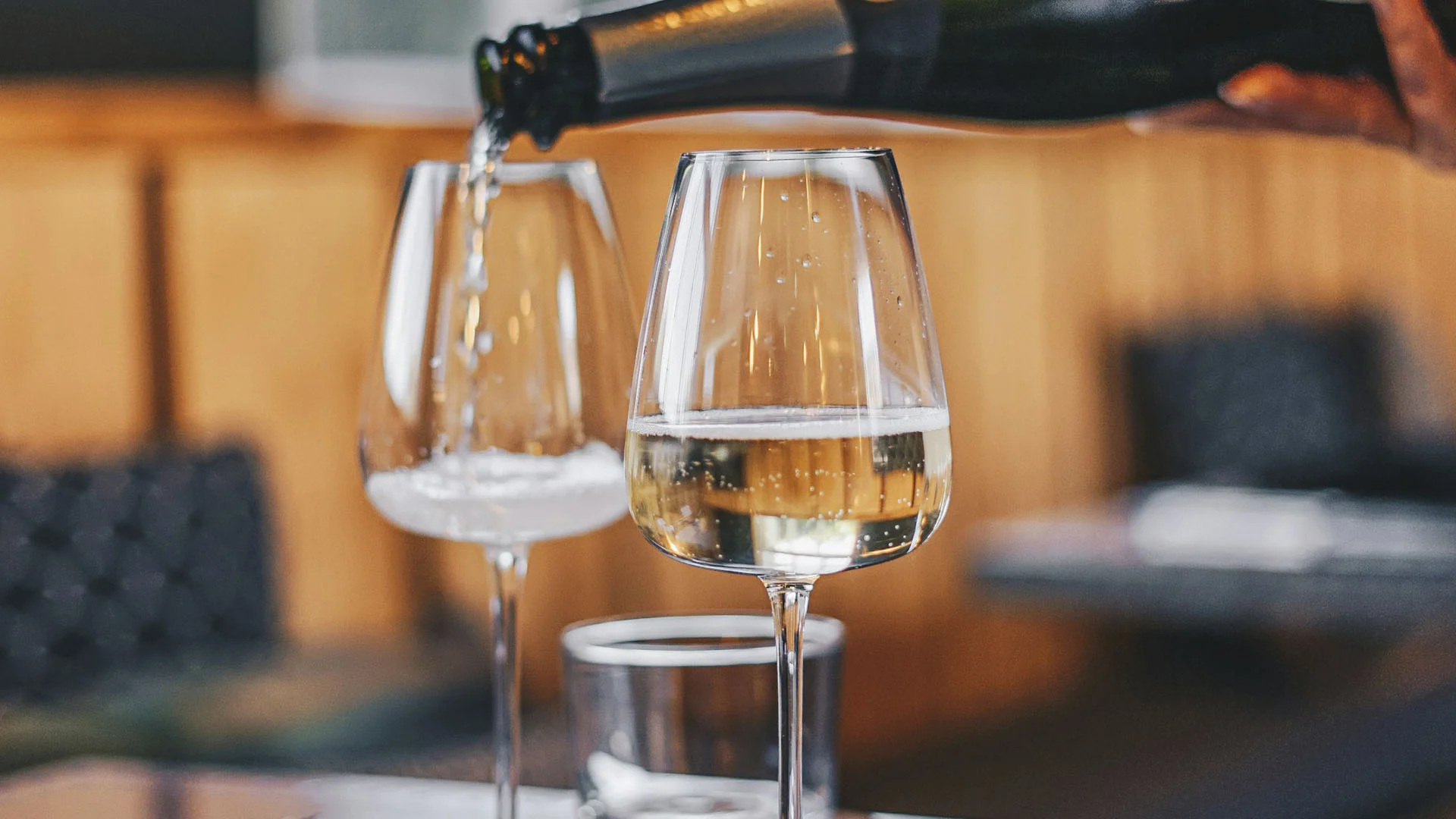
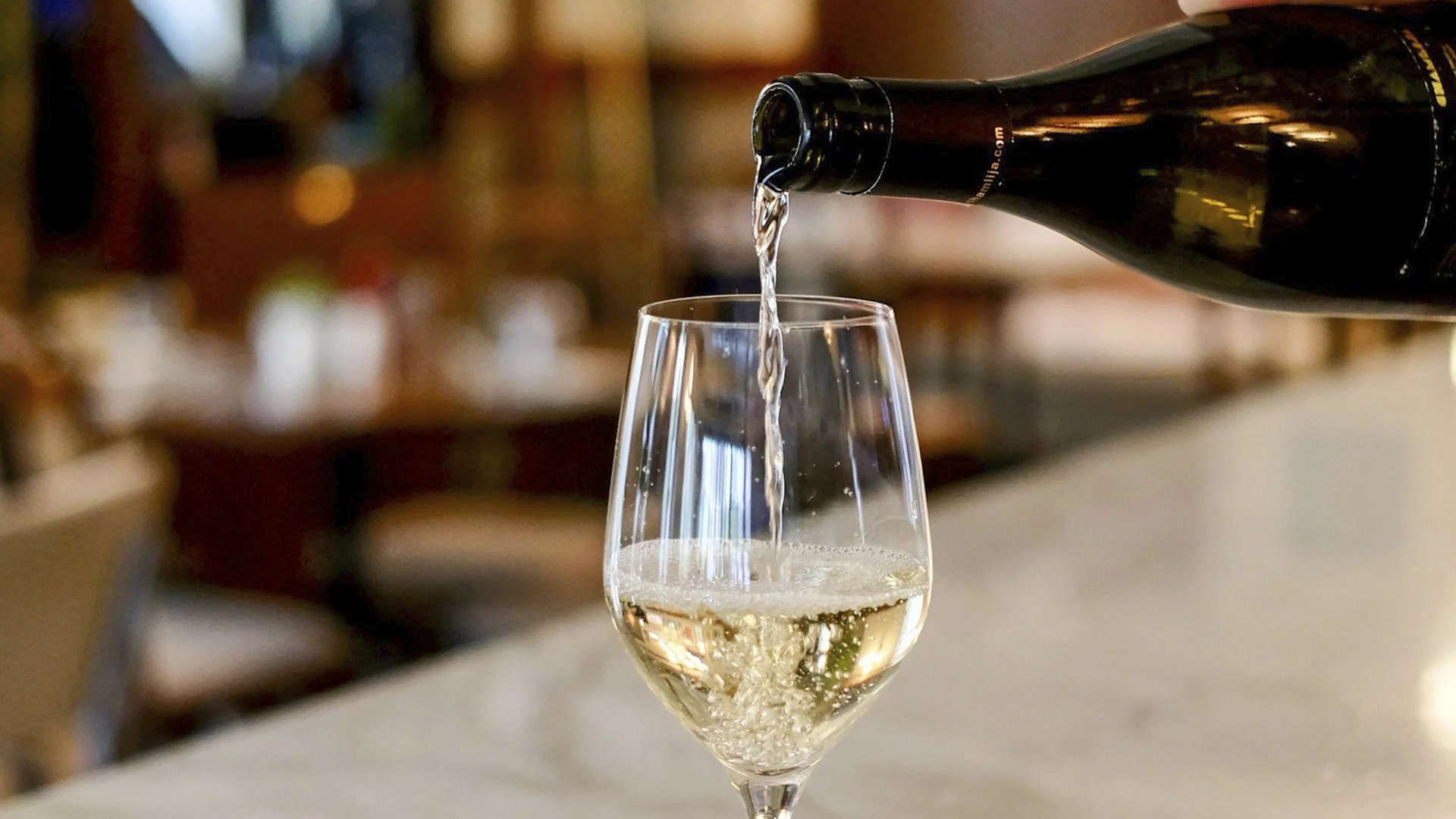
Chardonnay plays a starring role in one of Champagne's most elegant and sought-after styles: Blanc de Blancs Champagne. The term, meaning "white of whites" in French, refers to Champagne made exclusively from white grape varieties — and in the vast majority of cases, that means 100% Chardonnay.
While most Champagne is a blend of Chardonnay with the red varieties Pinot Noir and Pinot Meunier, Blanc de Blancs strips the blend down to Chardonnay alone, allowing the grape's pure character to shine. The result is a Champagne that tends to be lighter, more precise, and more mineral-driven than its blended counterparts. Expect vibrant aromas of citrus, green apple, and white flowers in younger bottles, evolving into complex notes of brioche, toasted almonds, honey, and pastry with extended aging on the lees.
The spiritual home of Blanc de Blancs is the Côte des Blancs, a prestigious subregion of Champagne where chalky limestone soils and a cool continental climate create ideal conditions for Chardonnay. Grand Cru villages such as Le Mesnil-sur-Oger, Avize, and Cramant produce some of the most celebrated examples, prized for their laser-like acidity, elegance, and remarkable aging potential.
Chardonnay's naturally high acidity is what gives Blanc de Blancs its hallmark freshness and finesse. This acidity also makes these Champagnes exceptionally age-worthy — top cuvées can develop beautifully for decades, gaining richness and complexity without losing their signature precision. The grape's relatively neutral flavour profile acts as a transparent lens for terroir expression, meaning that differences in soil, vineyard aspect, and winemaking philosophy are vividly reflected in the final wine.
For Champagne lovers seeking purity and elegance, Blanc de Blancs represents Chardonnay at its most refined.
Chardonnay's versatility in the vineyard and winery allows it to produce a wide range of styles. The nuances in production greatly influence its flavor profile.
The essence of quality Chardonnay begins in the vineyard. Different regions offer unique soil types, climates, and topographies that give the grape its character. Vintners pay careful attention to the ripeness and health of the fruit during harvest.
Harvested grapes are destemmed and crushed to release the juice. For Chardonnay, the juice is quickly separated from the skins to avoid any tannic influence.
Sugars in the grape juice are converted into alcohol by yeast. Fermentation in stainless steel tanks produces crisper, fruit-forward wines, while oak barrel fermentation adds complexity and richer textures.
Some Chardonnays undergo a secondary fermentation, a process called malolactic fermentation, that converts tart malic acid into softer lactic acid, creating the buttery and creamy textures characteristic of certain styles.
Stainless steel aging preserves freshness and primary fruit flavors, while oak barrels contribute notes of vanilla, toast, and butter. The duration and type of oak (French or American) significantly influence the wine's final profile.
Once aging is complete, the wine is filtered and bottled. The wine can continue to develop in the bottle, especially if it has been aged in oak.
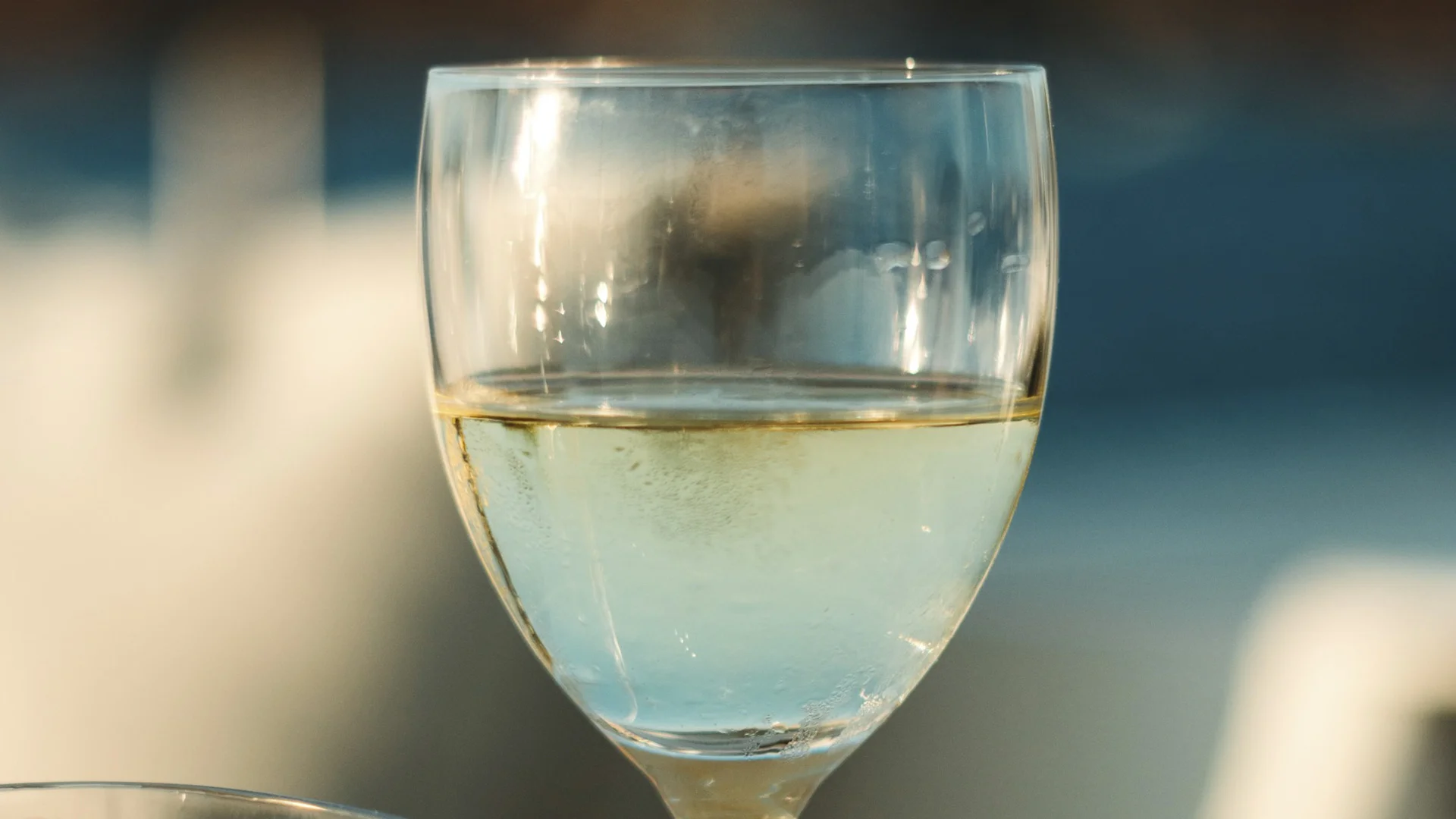
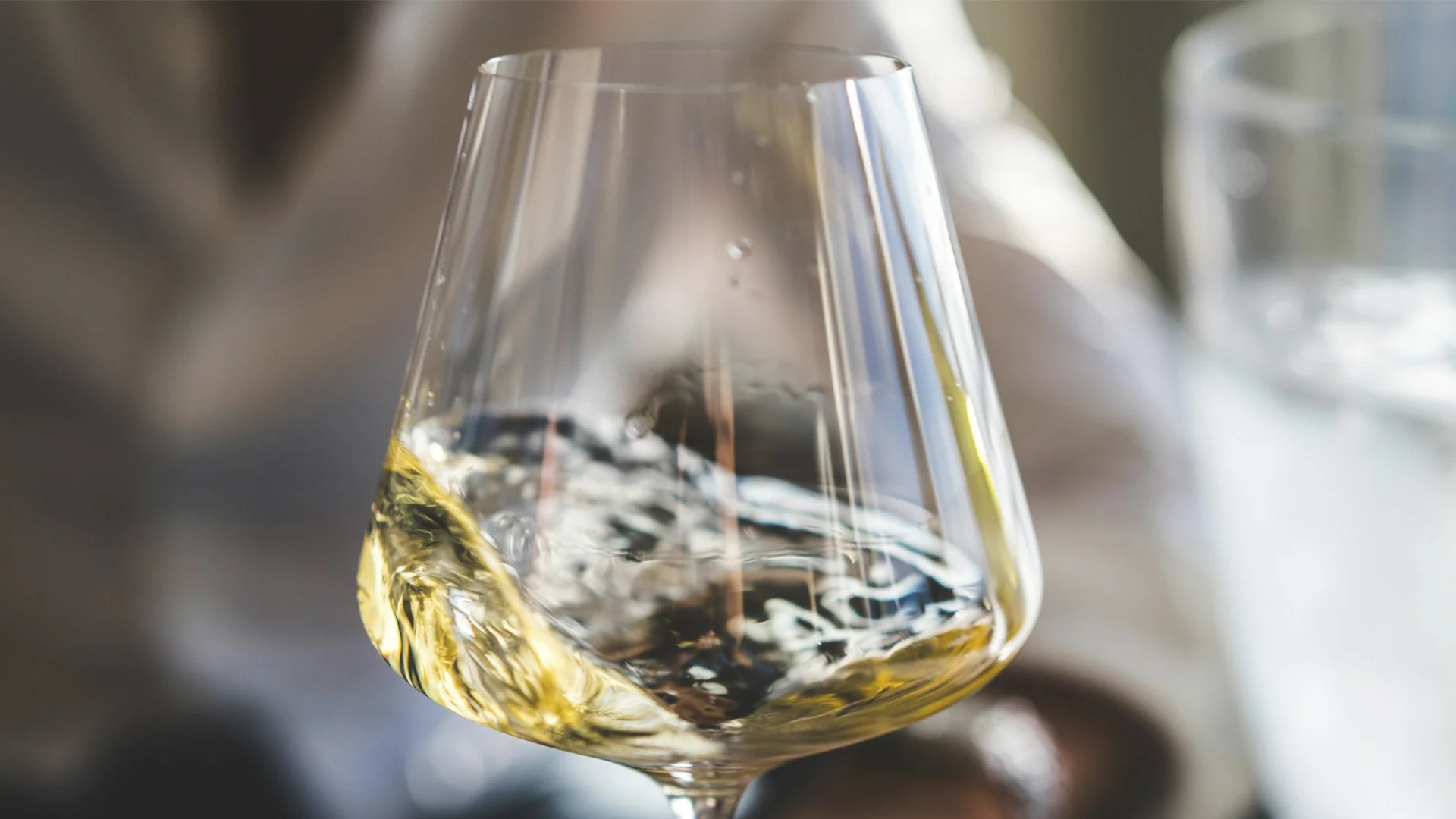
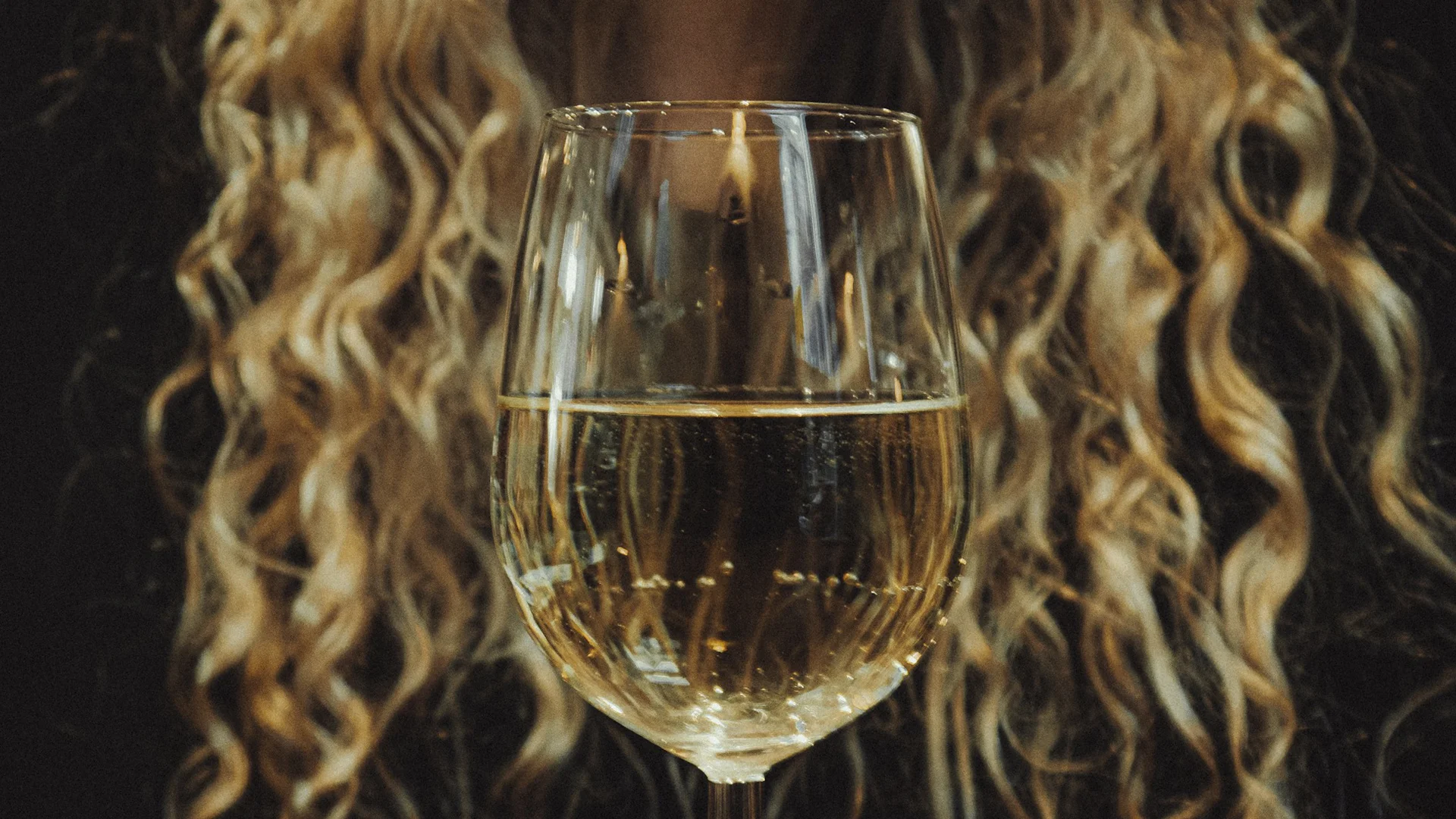
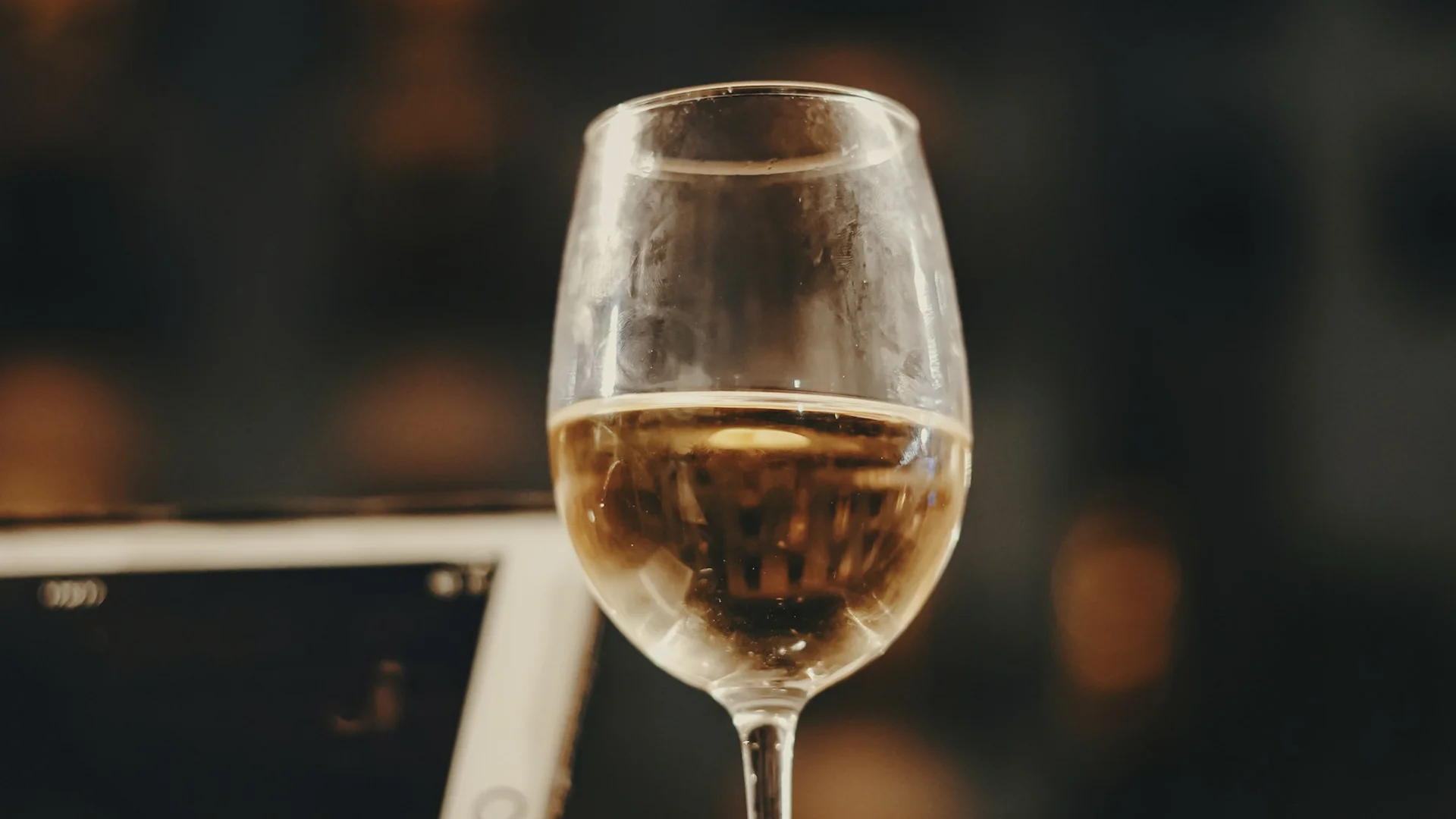
Chardonnay wines offer an array of sensory experiences. The colour ranges from pale, straw-like hues in youth to rich golden tints with age, while the body varies from light and refreshing to full and creamy, influenced by oak aging and malolactic fermentation.
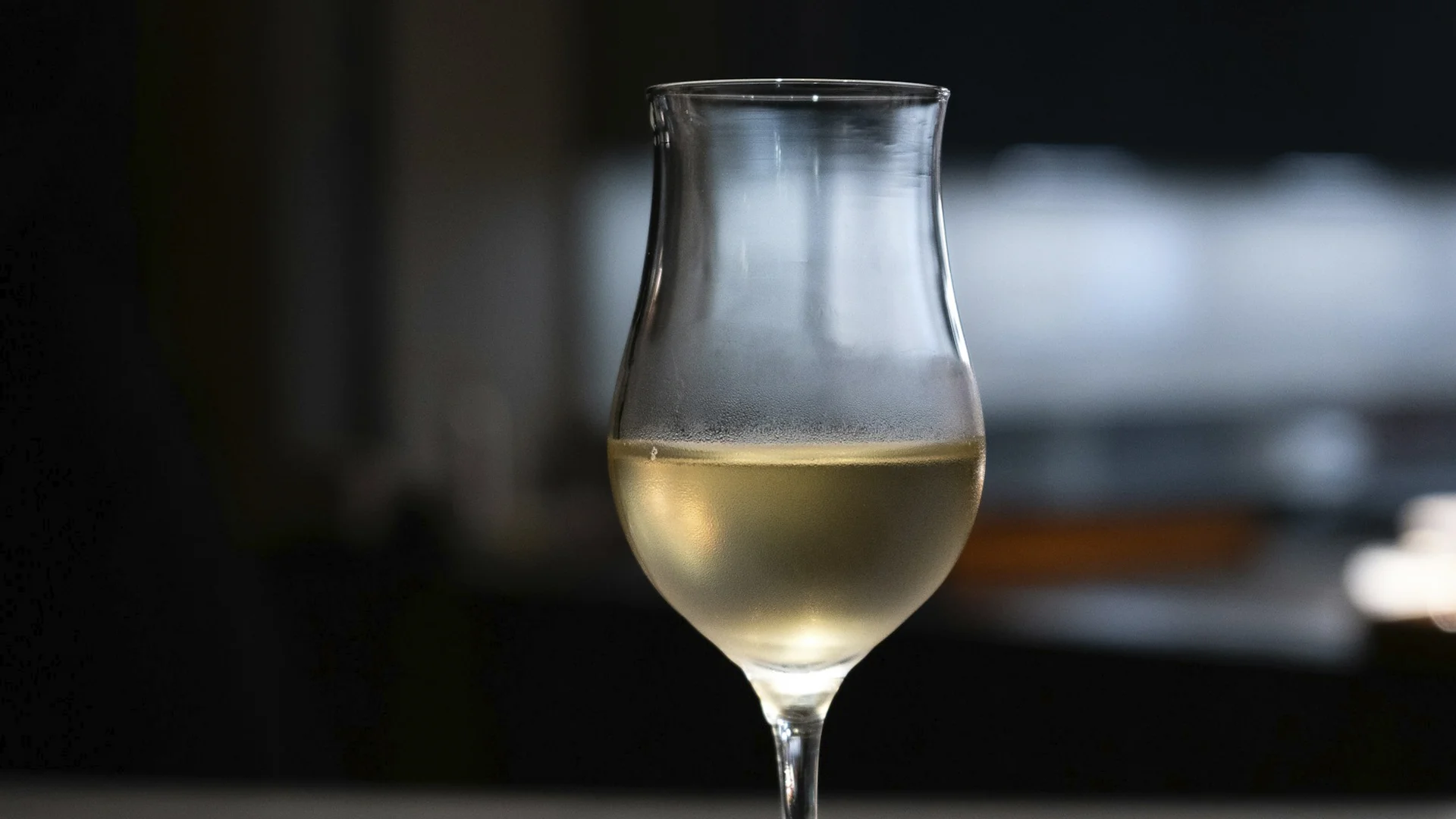
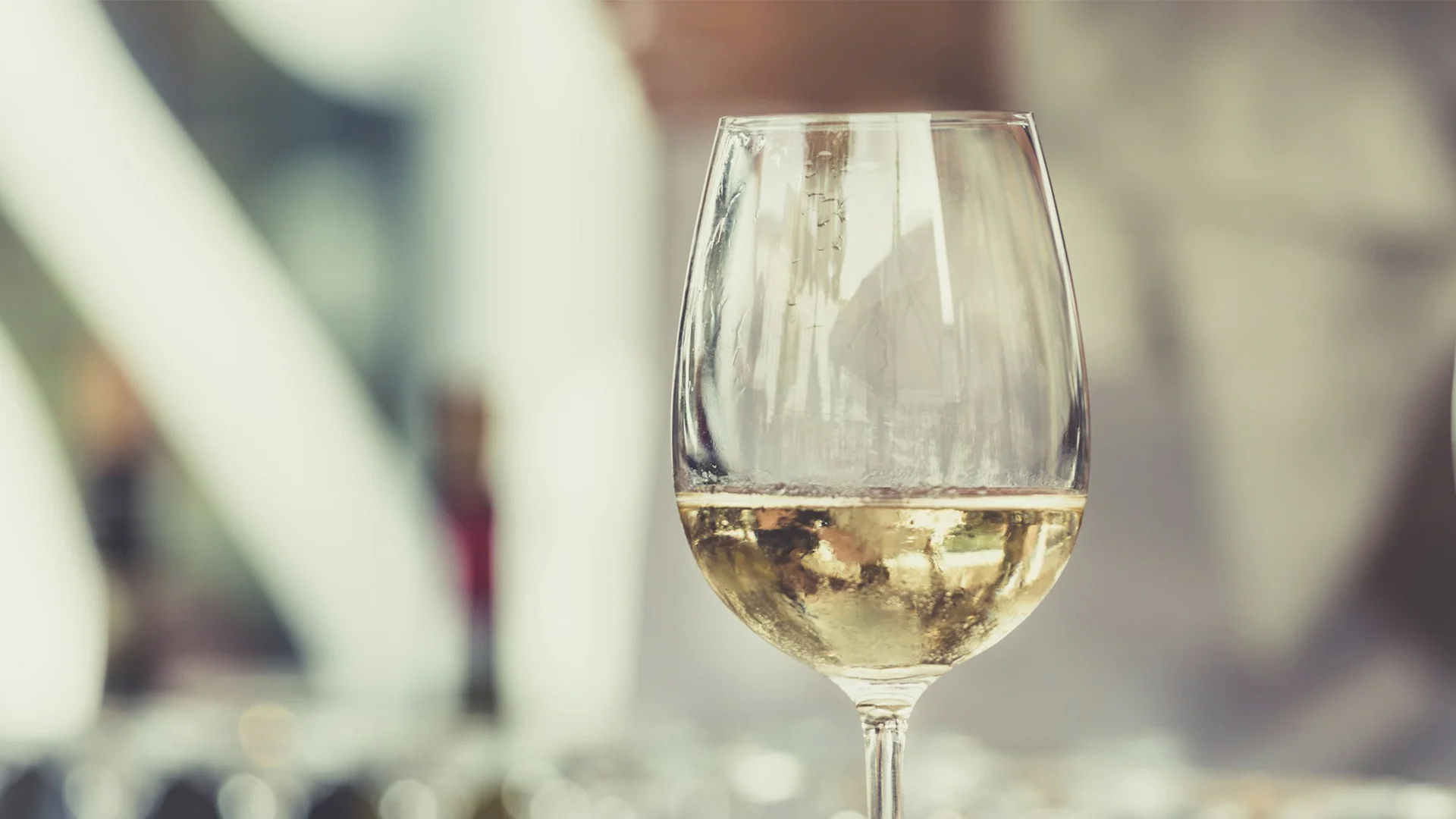
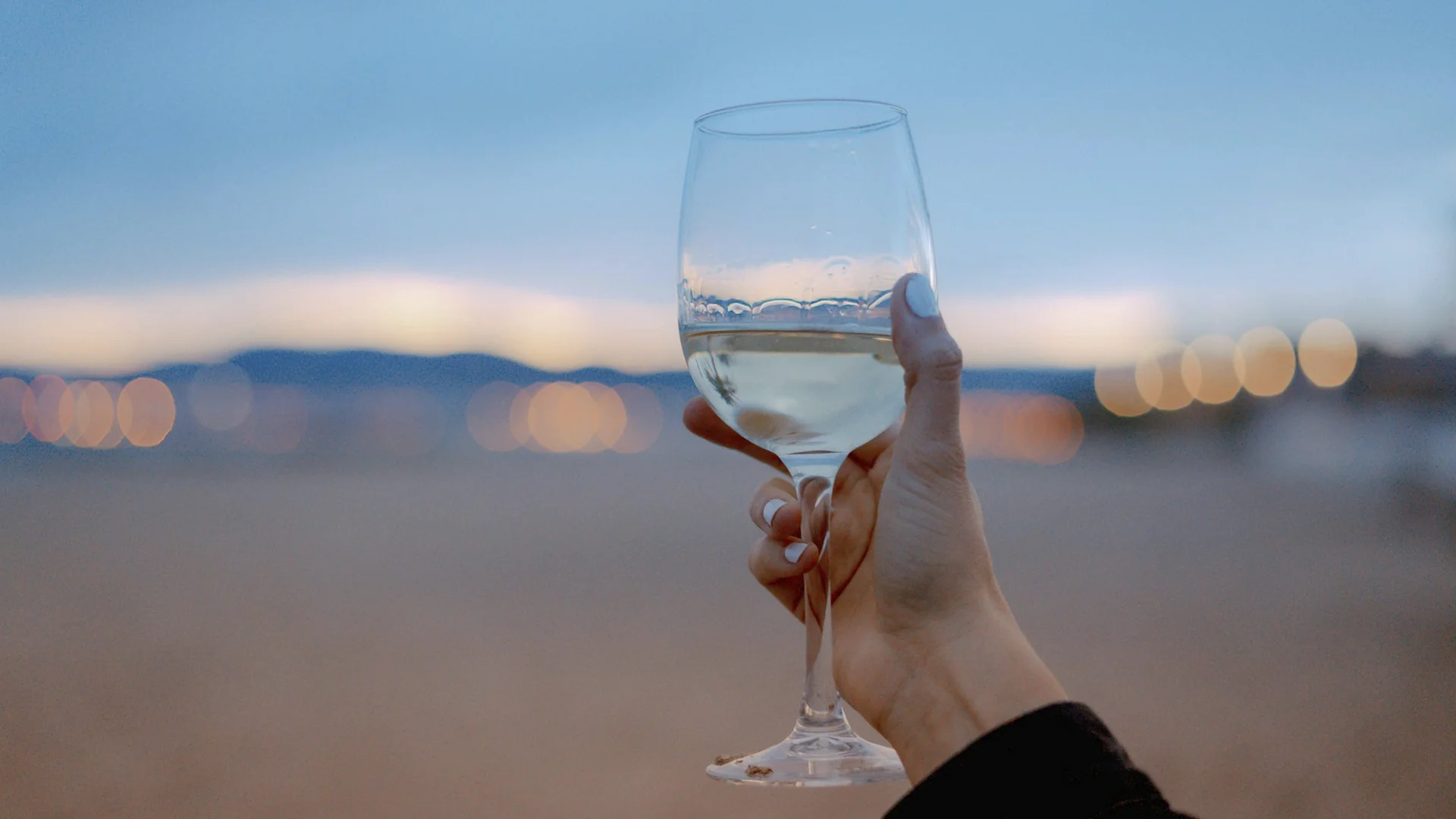
The visual aspect of Chardonnay wines provides the first clue to what awaits your senses. Whether pale and crystalline or deep and golden, the colour and body of a Chardonnay can hint at its style and age. Chardonnay can range in color from pale yellow to straw gold.
Chardonnay's aromas are diverse and captivating:

Chardonnay grapes produce elegant wines that range from medium to full-bodied with moderate tannins and acidity. When oaked in French oak barrels, these wines tend to showcase a creamy mouthfeel:

The beauty of Chardonnay lies in its ability to embody these diverse profiles, allowing you to explore and savour a wide range of aromas and flavours within a single variety. Whether you prefer a bright and zesty Chardonnay or one with layers of complexity and richness, there's a Chardonnay wine to suit every palate and occasion.
Not all Chardonnay tastes buttery — it depends entirely on how the wine is made. Chardonnay can produce wines ranging from crisp and minerally to rich and distinctly buttery. The buttery character is not inherent to the grape but results from specific winemaking decisions.
The buttery flavour primarily comes from malolactic fermentation (MLF), where Oenococcus oeni converts sharp malic acid into softer lactic acid. The key compound is diacetyl, a natural MLF byproduct — the same compound used to flavour movie theatre popcorn and margarine.
Oak aging amplifies the buttery profile. New, heavily toasted American oak imparts vanilla, coconut, toast, and baking spices. California winemakers in the 1980s embraced this approach, creating the iconic "butter bomb" style.
Winemakers can stop MLF or skip it entirely. Unoaked Chardonnays fermented in stainless steel showcase crisp green apple, lemon zest, and pineapple with bright acidity. This style was popularized in Chablis, northern Burgundy, and is gaining popularity worldwide.

Climate is a fundamental factor shaping Chardonnay's character. Temperature, sunlight, and precipitation profoundly impact grape development and the resulting wine.
Burgundy, France: Burgundian-style Chardonnay is typically high in acidity, with green-apple, citrus, and mineral notes. Kimmeridgian limestone soils impart a flinty quality.
Champagne, France: Cold winters and moderate summers maintain high acidity. Chardonnay stars in blanc de blancs Champagne.
Marlborough, New Zealand: Marlborough produces lean, crisp, mineral-driven Chardonnays with minimal or no oak contact, allowing delicate fruit and elegant textures to shine. These New Zealand Chardonnay wines feature vibrant citrus notes, minerality, and savoury undertones characteristic of cooler-climate production.
Maipo Valley, Chile: Warm Mediterranean climate with cool Andean nights yields ripe, full-bodied wines with tropical fruit, honey, and spice.

Non-alcoholic Chardonnay wines are dealcoholized bottlings made from fermented Chardonnay that aim to deliver classic varietal flavour without the effects of alcohol. They typically show notes of green apple, citrus, and stone fruit, with enough freshness and texture to pair with food. Some of the best examples are Leitz Eins Zwei Zero from Germany, Luminara from Napa Valley, and Lautus from South Africa, which showcase different regions and dealcoholization techniques while retaining authentic wine character.
Produced by Weingut Leitz from Pfalz, Germany. Aromas of ripe apple, citrus zest, and tropical fruits lead to flavours of green apple, lemon pith, pear, and pineapple with balanced minerality. Pairs with buttery seafood, creamy pasta, and clam chowder. Its vacuum distillation at 28°C preserves distinctive wine-like qualities.
Produced by Trinchero Family Estates with 100% Napa Valley grapes. Offers aromas of green apple, pear, melon, vanilla cream, and toasted almond. Medium-bodied with Fuji apple, lemon cream, and gentle creaminess. Pairs with roast chicken, grilled shrimp, and charcuterie boards. Its spinning cone technology preserves varietal character from fully fermented wine.
Produced by winemaker Reg Holder in South Africa's Coastal Region. Displays aromas of stone fruit, fresh orange, and kumquat, with palate notes of Meyer lemon, green apple, and brioche. Pairs with seafood, creamy pasta, and cheese boards. The grapes spend two months on lees before alcohol removal, and VinePair recognized it among the 7 Best Non-Alcoholic Wines of 2023.
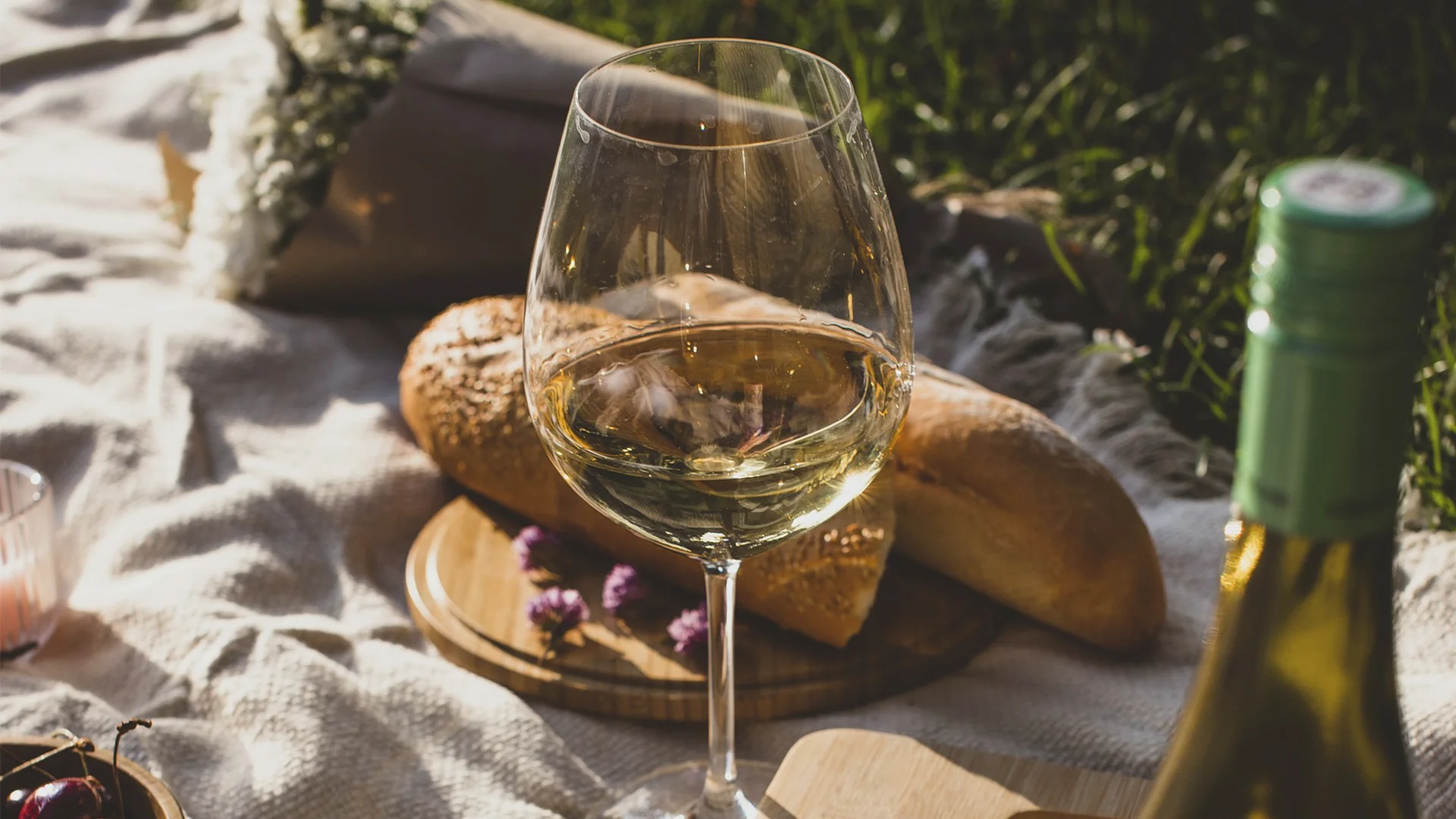
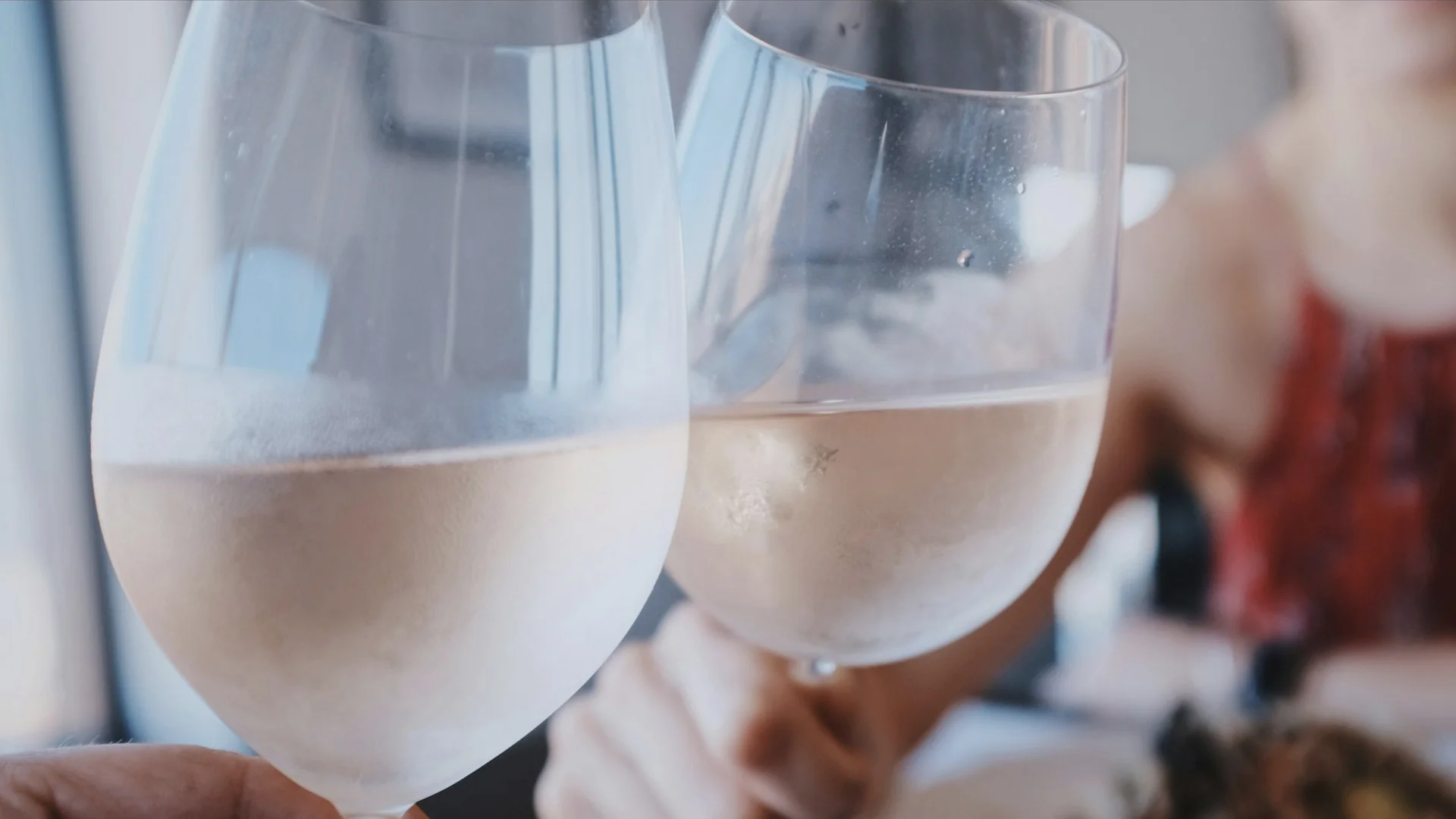
Serving and storing Chardonnay correctly helps you preserve its aromas, texture, and balance so each bottle shows at its best. An ideal approach considers temperature, glassware, storage conditions, and how long different styles can age. Serving crisp, unoaked Chardonnay slightly cooler than richer, oaked styles highlights the former's freshness and the latter's creamy depth. Proper cellaring—cool, dark, and stable—protects both everyday bottles and age-worthy cuvées, while understanding basic aging windows ensures you drink each style at its peak.
Serving Chardonnay

Chardonnay and Viognier are both full-bodied white wines known for their rich textures and expressive aromatics, but they differ in acidity, flavour focus, and typical food pairings. Chardonnay spans a wide range of styles, from citrusy and mineral to creamy and oak-aged, while Viognier leans toward plush stone fruit and heady florals. This section highlights the main similarities and differences in aroma, structure, oak use, and pairing, so you can choose the right grape for your taste and menu.
Sustainability in Chardonnay Wines: A Greener Approach for Wine Lovers
Sustainability in Chardonnay production is increasingly important. Key considerations include:
Chardonnay stands as a captivating canvas of possibilities in the world of wine. From the crisp elegance of cool climates to the richness of warm terroirs, Chardonnay offers an array of styles to explore. Its adaptability in the vineyard and winery means no two Chardonnays are the same. This in-depth wine guide has unveiled the secrets behind its allure, from terroir and winemaking techniques to serving tips and sustainability. With each sip, Chardonnay invites you on a journey through the world's vineyards, where diversity and complexity await. Raise your glass to the beauty of Chardonnay, a varietal that never ceases to inspire and delight. Cheers!








.webp)

.webp)
.webp)
.webp)






.webp)


Are you interested in
collaborating with us?
Copyright © 2024 Vinerra Corp.


