
Grapes
Discover the Altesse Grape: Characteristics and Best Pairings
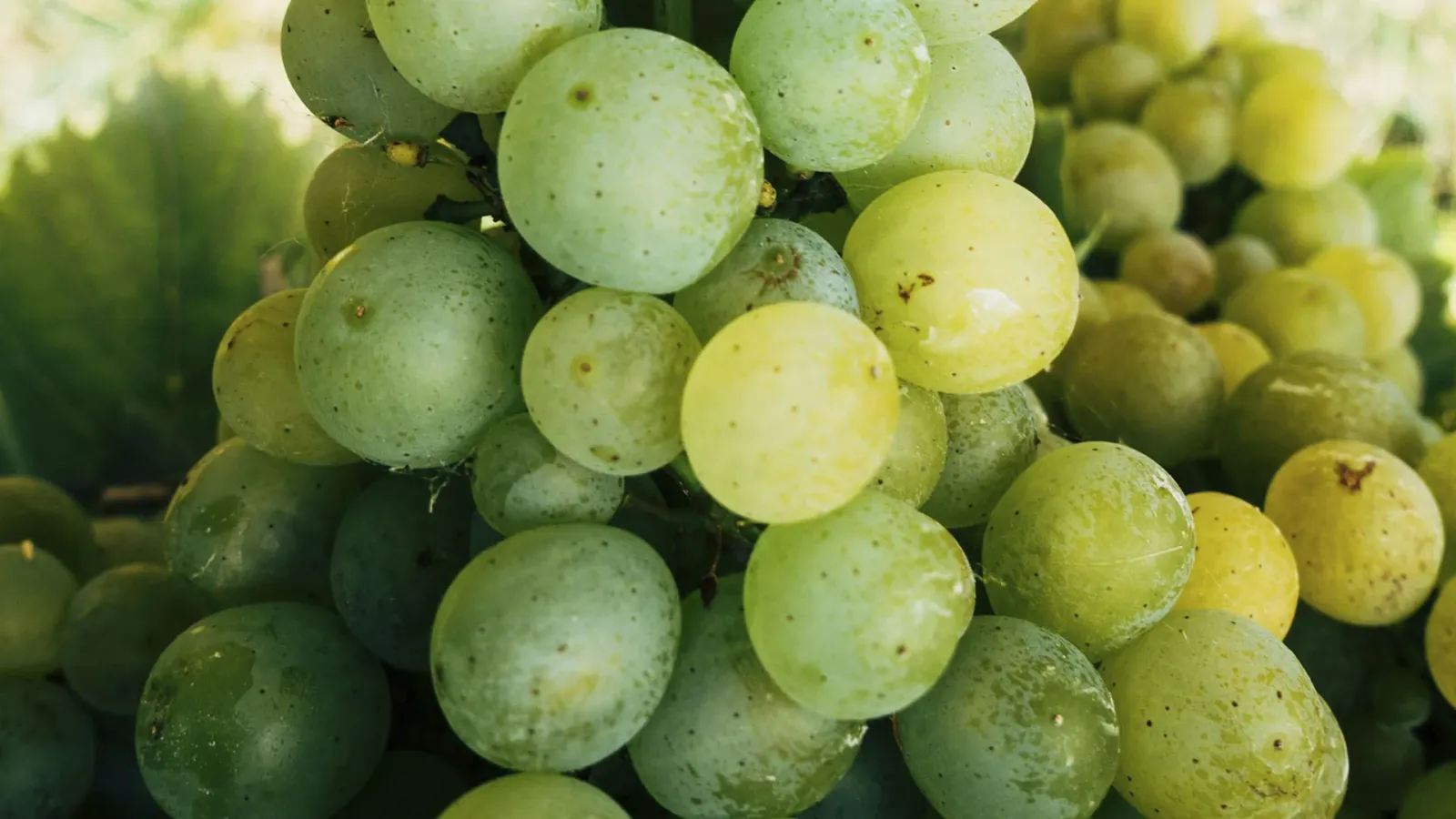
Altesse, also known as Roussette, is a white grape varietal native to France, renowned for producing elegant, aromatic wines with vibrant acidity, delicate flavours, and exotic aromas. It is the defining varietal of the Roussette de Savoie appellation and is highly valued for its ability to express terroir.
Characteristics and Qualities
- Appearance: Medium-sized berries with thick, golden skins and a slight bloom.
- Aroma and Flavor Profile: Altesse wines are known for their floral aromas (honeysuckle, acacia) and stone fruit flavours (peach, apricot), often accompanied by notes of almond, honey, and minerality. These characteristics contribute to a full-bodied wine that is generous, rich in aromas, and has an elegant and delicate character.
- Sugar and Acid Levels: Naturally high acidity balances moderate sugar levels, creating wines with freshness and aging potential.
Significance and Popularity
Altesse is celebrated for producing wines of finesse and longevity. Although it remains a niche varietal, its increasing recognition as a unique expression of Savoy’s alpine terroir has bolstered its reputation among wine enthusiasts and connoisseurs.
Winemaking Potential
- Style Versatility:
- White Wines: Crisp, aromatic wines with subtle complexity.
- Sparkling Wines: Used in high-quality Crémants for their acidity and finesse.
- Aging Potential: Altesse wines can age gracefully for up to 10 years or more, developing richer, honeyed flavours over time.
- Food Pairing Recommendations: Pairs beautifully with alpine cheeses, freshwater fish (trout, perch), poultry with cream sauces, and dishes featuring herbs or light citrus.
Historical Context and Origin
The exact origins of Altesse are debated, though it is believed to have been introduced to the Savoy region of France during the Middle Ages, possibly from Cyprus. Its historical association with nobility and fine winemaking has earned it the moniker “Altesse,” meaning “highness” in French.
Viticultural Aspects
- Climate and Soil Preferences: Altesse thrives in cool, alpine climates with limestone-rich soils that enhance its minerality and acidity. It also performs well in stony, well-drained terrains.
- Yield Potential and Vine Vigor: Moderate to high yields with vigorous vines that require careful pruning to maintain quality.
- Susceptibility to Diseases and Pests: It is resistant to frost and mildew, making it suitable for high-altitude vineyards, though it can be vulnerable to powdery mildew.
Geographic Distribution and Cultivation
While primarily grown in Savoy, Altesse can also be found in small quantities in other parts of France and neighbouring regions like Switzerland. Its adaptability to cool climates has sparked interest in cultivation in emerging wine regions with similar environmental conditions.
Regional Expressions
Altesse in France
Historical Importance and Prominence: Altesse is integral to Savoy’s winemaking tradition, historically prized for its elegance and longevity. Most wines from the Savoie region were once low in quality but have significantly improved over the years, showcasing the region's diverse styles and indigenous grape varieties, making it an appealing destination for wine enthusiasts.
Key Wine-Producing Regions:
- Savoy: Particularly in the appellations of Roussette de Savoie and Seyssel, where it is often vinified as a varietal wine.
Stylistic Variations and Quality Levels: Styles range from fresh, fruity, mineral-driven whites to more complex, barrel-aged expressions with nuanced floral and nutty notes.
Altesse in Other Regions
Global Distribution and Cultivation: Small plantings of various grape varieties exist in Switzerland, where its recognized as a native varietal, and a few experimental vineyards exist in cool-climate regions like Canada and New Zealand.
Notable Examples and Regional Interpretations: Outside of Savoy, Altesse often takes on slightly riper fruit profiles and flavors while retaining its characteristic acidity.
Impact on Local Wine Cultures: In emerging regions, Altesse is seen as a niche varietal offering distinctiveness and elegance.
Future Prospects and Trends
Emerging Trends and Developments
- Climate Change and Adaptation Strategies: Altesse’s resilience to cooler climates and frost makes it a valuable varietal for regions affected by rising temperatures.
- New Winemaking Techniques and Technologies: Experimentation with lees aging, barrel fermentation, and sparkling wine production is enhancing the complexity and appeal of Altesse wines. Additionally, the delicate nature of Roussette de Montagnieu requires careful attention from winegrowers to produce high-quality wines.
- Consumer Preferences and Market Trends: Growing interest in indigenous varietals and alpine wines is driving renewed attention to Altesse.
Potential for Growth and Expansion
Exploring New Regions: As interest in alpine and niche varietals grows, Altesse has the potential for expansion in cool-climate regions globally. The unique characteristics and royal lineage of the Altesse grape, also known as Roussette Haute, make it a standout choice for careful cultivation to produce high-quality wines.
Reputation Enhancement: Efforts by premium producers to create single-varietal Altesse wines are elevating its profile among sommeliers and wine collectors.
Notable Wines and Producers
Iconic Altesse Wines
High-Quality Examples:
- Roussette de Savoie from Domaine Dupasquier: Known for its purity, minerality, and aging potential.
- Seyssel Altesse from Domaine Vullien: A benchmark for sparkling expressions of Altesse.
- Roussette de Bugey: Made from 100% Altesse grapes, this lesser-known variant offers unique characteristics distinct from its more recognized counterpart, Roussette de Savoie.
Tasting Notes: Citrus zest, white flowers, peach, and subtle almond, with a crisp and mineral-driven finish.
Renowned Producers
- Winery Profiles:
- Domaine Dupasquier: A family-run estate dedicated to traditional winemaking practices that highlight the unique terroir of Savoy.
- Domaine Vullien: Specializes in both still and sparkling Altesse wines that exemplify the alpine character of Seyssel. Prin Blanc, another name for Altesse, is celebrated for its significance within royal history and its delicate nature in winemaking.
- Philosophy and Winemaking Practices: A focus on organic or biodynamic practices is common, emphasizing low yields and minimal intervention to preserve Altesse’s natural expression.
- Awards and Recognition: Altesse wines have received accolades for their elegance and ability to reflect their terroir in international wine competitions.
Conclusion
Altesse is a varietal of understated elegance, offering a distinct combination of alpine freshness, floral aromas, full flavours and aging potential. Its historical roots in Savoy and rising popularity in niche wine markets position it as a grape varietal with a bright future. With growing consumer interest in indigenous and terroir-driven wines, Altesse is poised to gain greater recognition and appreciation in the global wine industry. Known also as 'Roussette Grosse', this grape variety is historically significant and sensitive to disease, requiring careful cultivation to produce exceptional wines.
Discover more grape profiles
Casavecchia Grape: An In-Depth Profile
Discover the unique varietals and regions of the Casavecchia grape, and learn what makes this intriguing variety stand out.
Grüner Veltliner: An In-Depth Grape Profile
Discover Grüner Veltliner’s origins, flavor profile, and Austrian identity in Vinerra’s in-depth grape guide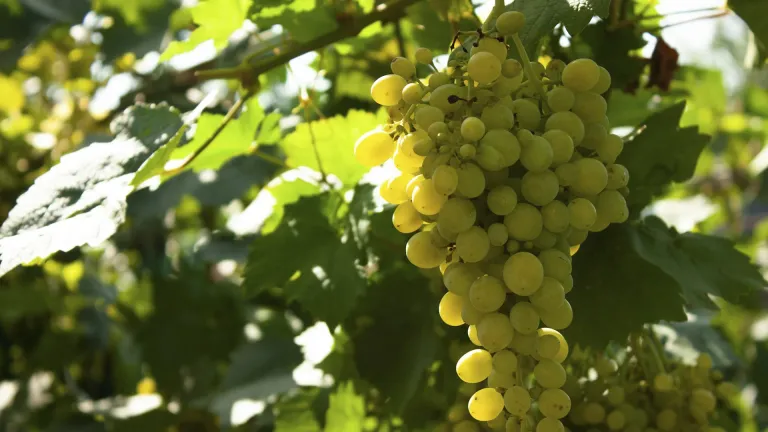
Airén: An In-Depth Grape Profile
Discover the unique characteristics of Airén, Spain's underrated grape. Learn about its flavor profile, and food pairings!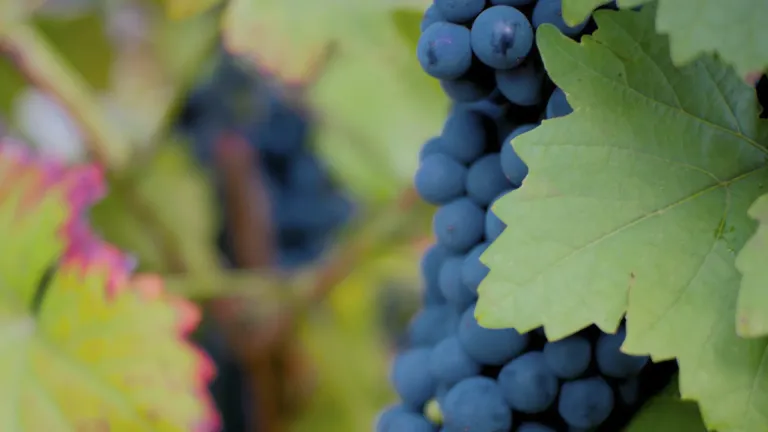
Nero d'Avola: An In-Depth Grape Profile
Explore how Nero d’Avola thrives in Sicily’s heat, holding acidity and structure while delivering plush, dark-fruited reds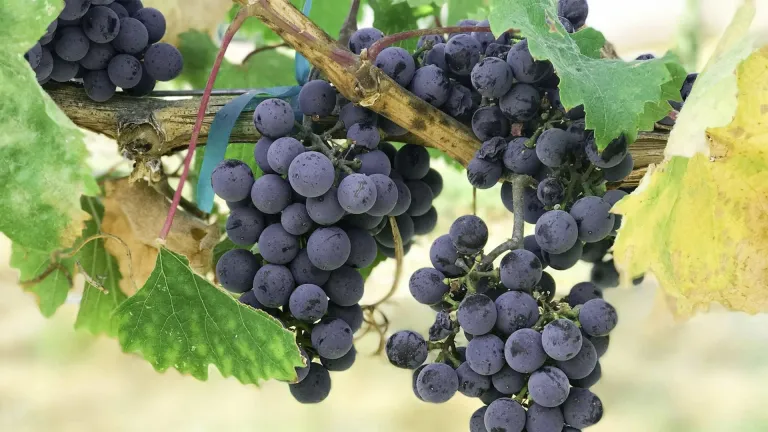
Montepulciano: an In-Depth Grape Profile
Explore the rich characteristics of Montepulciano grapes and discover their unique aromas, flavors, and history!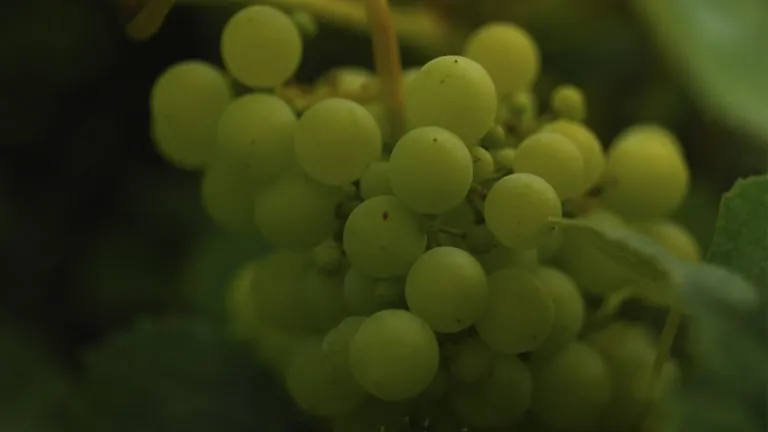
Trebbiano Toscano: An In-Depth Grape Profile
Explore Trebbiano Toscano, its distinct flavor profile, versatility in winemaking and its best food pairings!
Lambrusco Grasparossa: An In-Depth Grape Profile
Discover the unique characteristics of Lambrusco Grasparossa, from its flavor profile to ideal pairings!
Lambrusco di Sorbara: an In-Depth Grape Profile
Explore the unique characteristics of Lambrusco di Sorbara grape, and discover the main styles produced with it!
Ancellotta: An In-Depth Grape Profile
Discover the unique characteristics of Ancellotta grapes, from their flavor profile to ideal growing conditions!
Lambrusco Maestri: An In-Depth Grape Profile
Explore the unique characteristics of Lambrusco Maestri, a delightful grape for wine enthusiasts. Learn about its flavor profile!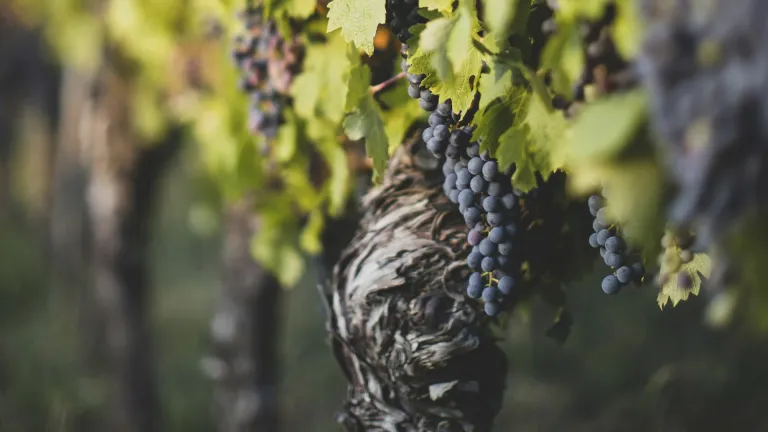
Lambrusco Salamino: An In-Depth Grape Profile
Discover the unique qualities of Lambrusco Salamino and how this grape can enhance your wine experience!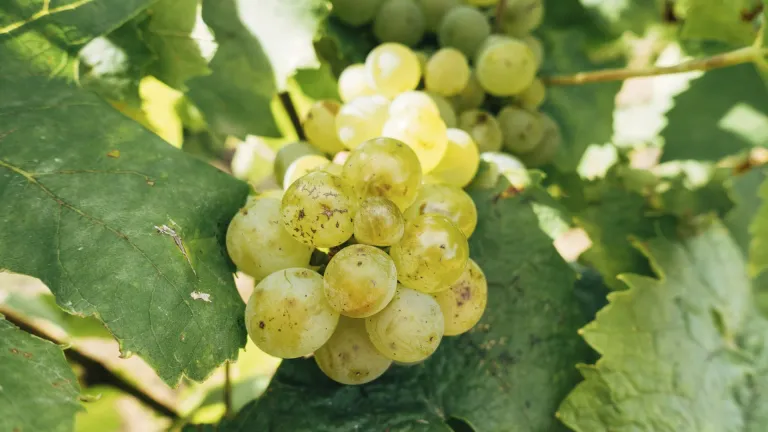
Discover Incrocio Bruni 54: An In-Depth Grape Varietal Profile
Did you know that the Incrocio Bruni 54 grape is a cross between Sauvignon Blanc and Verdicchio? Learn more about this gem!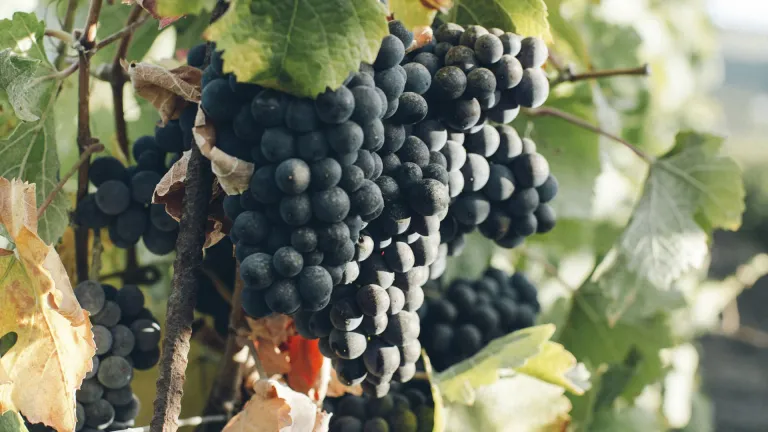
Discover the Pinotage Grape: Taste, Pairing, and Variations
Discover the distinct flavors of Pinotage in this comprehensive tasting guide. Dive in to enhance your wine knowledge!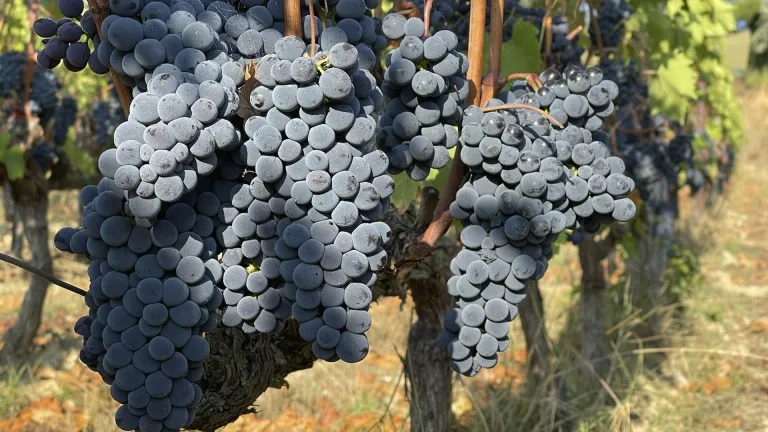
Discover the Colorino Grape: Italy’s Bold and Inky Variety
Discover the unique flavor profile of the Colorino grape, and learn why it’s a must-try for wine enthusiasts!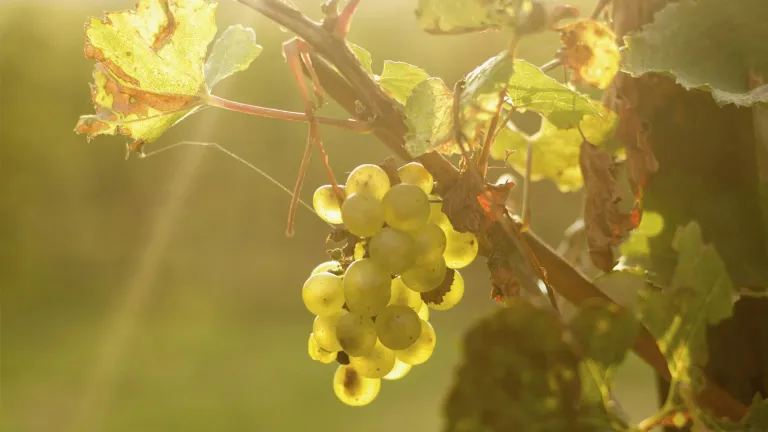
Discover Grechetto: An In-Depth Grape Varietal Profile
Explore Grechetto, a distinctive Italian grape variety. Learn about its history, flavor profile, and best food pairings!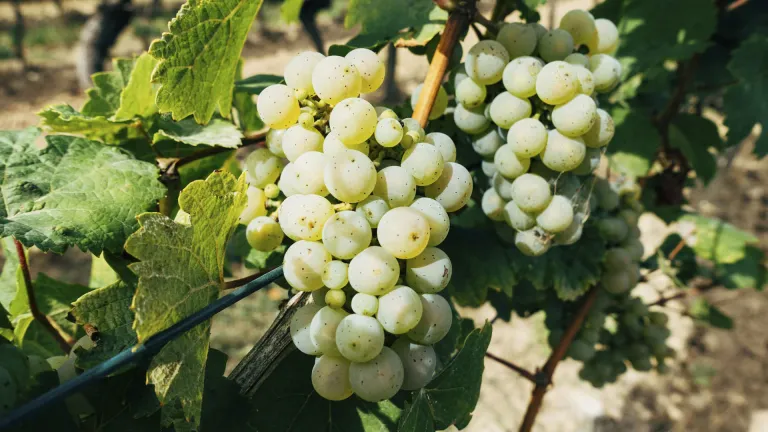
Discover Clairette: Everything You Need to Know About this Grape Varietal
Discover the flavors and perfect pairings of Clairette. Find out how to enjoy this delightful variety, and enhance your knowledge!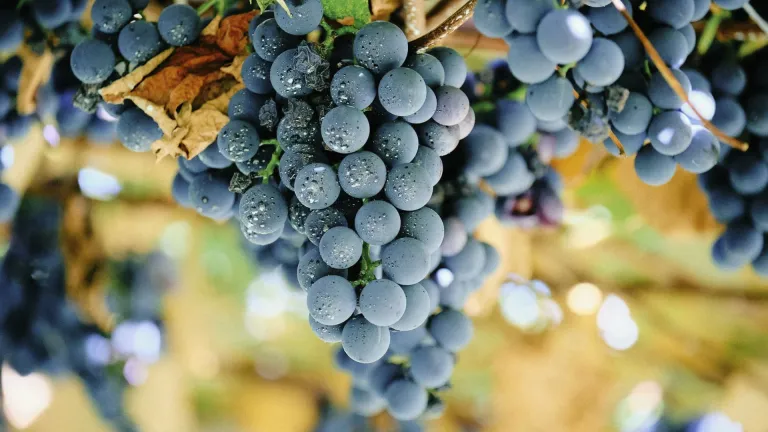
Uva Rara: A Guide to This Unique Italian Grape
Explore Uva Rara, a rare Italian grape variety known for its distinct flavors. Learn about its history and wine pairings!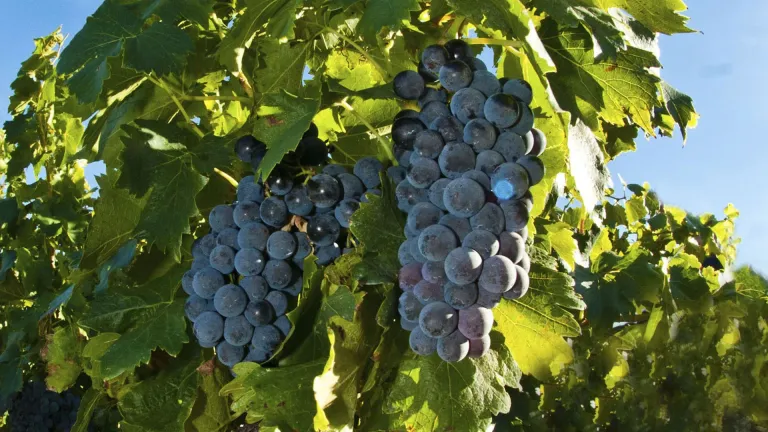
Vespolina Grape: An Italian Hidden Gem
Explore the Vespolina grape, a unique varietal in Italian wines. Learn about its characteristics and best food pairings!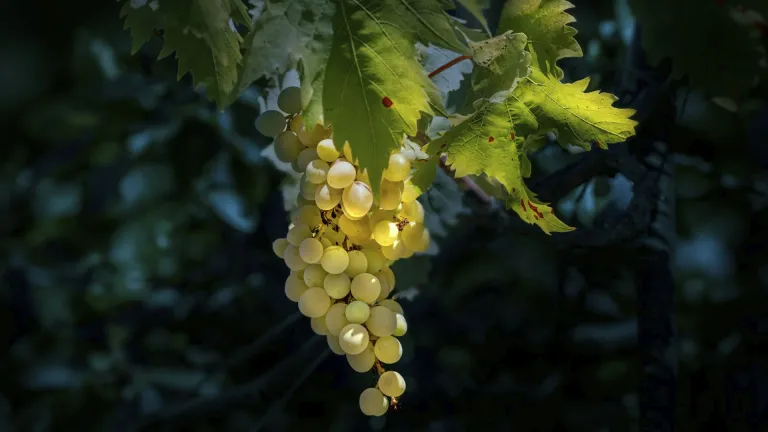
Understanding the Glera Grape: Characteristics and Uses
Discover Glera’s origins, characteristics, and defining role in Prosecco in Vinerra’s in-depth grape guide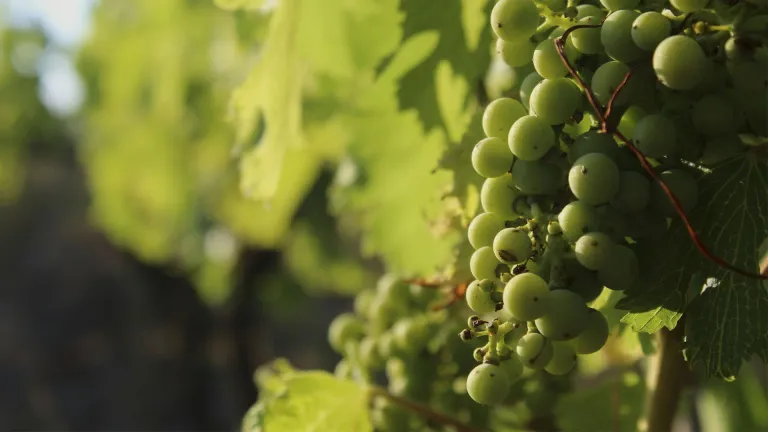
The Kanella Grape Varietal: Everything You Need to Know
Discover the Kanella grape varietal, its characteristics, growing conditions, and best uses. Learn more about this unique grape!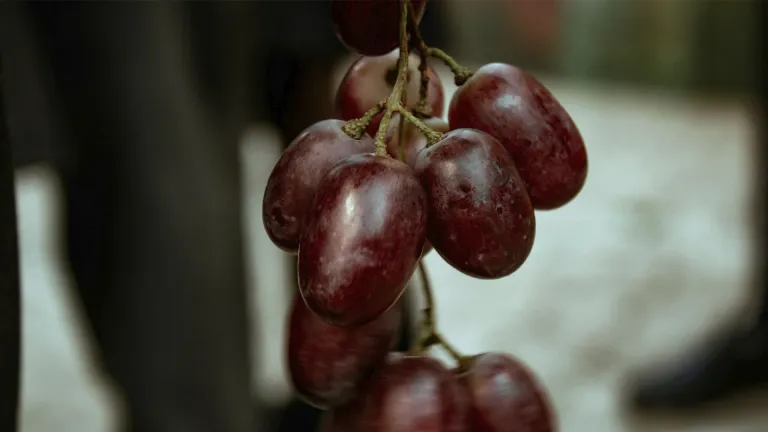
Discover the Unique Characteristics of the Yiannoudi Grape
Discover the distinct characteristics of the Yiannoudi grape varietal, its flavor profile, and its role in winemaking!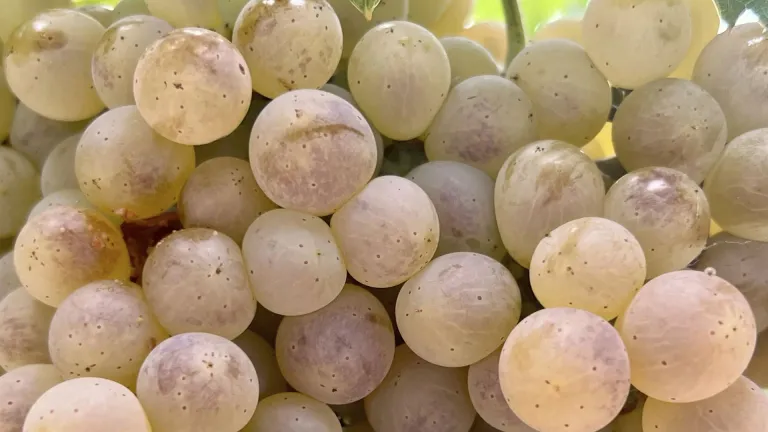
Exploring the Morokanella Grape: A Unique Cypriot Treasure
Discover the Morokanella grape, a unique Cypriot varietal with rich heritage and flavor. Dive into its characteristics and winemaking potential!
Exploring the Unique Qualities of the Spourtiko Grape
Discover the distinct flavors and characteristics of the Spourtiko grape varietal, and learn how it shapes unique wines!
Exploring the Unique Characteristics of the Mavro Grape
Discover the unique traits of the Mavro grape varietal, its heritage, and flavor profile. Dive into the article to learn more!
Promara Grape: Reviving the Cypriot Wine Heritage
Discover the Promara grape varietal and its role in revitalizing Cyprus's wine heritage. Learn how this unique variety is making a comeback!
Discover the Maratheftiko Grape: A Unique Cypriot Treasure
Discover the Maratheftiko grape varietal, a unique treasure from Cyprus. Learn about its history, flavor profile, and winemaking potential!
Xynisteri Grape: A Mix of Taste and Adaptability
Discover the Xynisteri grape varietal, its unique flavor profile, and how it adapts to different climates!
Discover the Altesse Grape: Characteristics and Best Pairings
Explore the Altesse grape varietal’s unique characteristics and discover the best food pairings to enhance your tasting experience!
Discover the Alphonse Lavallée Grape: A Traditional Delight
Discover the Alphonse Lavallée grape varietal, its unique flavor profile, food pairings, and how it enhances traditional winemaking!
Aligoté Grape Varietal: Discover Burgundy's Hidden Gem
Discover the Aligoté grape, a delightful alternative to Burgundy's famous varietals. Learn about its unique flavors and why it's worth a taste!
Alicante Bouschet: Everything You Need to Know
Explore the bold and unique flavors of the Alicante Bouschet grape varietal. Learn its characteristics and enhance your wine experience!
Acolon Grape Varietal: Everything You Need to Know
Explore Acolon’s Blaufränkisch × Dornfelder heritage, cool-climate strengths, and dark-fruit profile in Vinerra’s grape guide
Discovering the Characteristics of Pinot Meunier
Explore the unique characteristics and versatile uses of the Pinot Meunier grape. Learn how it can elevate your wine experience!
Discover the Fetească Neagră Grape: A Romanian Treasure
Explore the rich flavors of Fetească Neagră, Romania's prized grape varietal. Learn about its history, tasting notes, and food pairings!
Kerner Grape Varietal: Everything You Need to Know
Explore the Kerner grape to enhance your wine journey. Find the perfect match for your palate and elevate your next tasting experience!
Greco Bianco: an In-Depth Grape Profile
Discover the distinctive qualities of Greco Bianco, Italy's unique grape variety. Learn about its flavor profile and food pairings!
Exploring the Reichensteiner Grape Varietal Characteristics
Discover the unique characteristics and uses of the Reichensteiner grape varietal. Learn how it can enhance your wine experience!
Exploring the Frontenac Blanc Grape Varietal Characteristics
Discover the unique characteristics and uses of the Frontenac Blanc grape varietal. Explore its flavor profile and potential in winemaking!
Exploring the Sainte Croix Grape Varietal: Flavor and Cultivation Tips
Discover the unique flavors of the Sainte Croix grape and the best food pairings for this grape! Read more to get started
Discovering the Unique Qualities of the Geisenheim 318 Grape
Explore the distinctive traits of the Geisenheim 318 grape varietal and learn how it stands out in the world of wine!
Exploring the Characteristics of the Lucie Kuhlmann Grape
Discover the unique characteristics and versatile uses of the Lucie Kuhlmann grape varietal. Enhance your wine knowledge with our article!
Discovering the Unique Qualities of the L'Acadie Blanc Grape Varietal
Explore the distinctive traits of the L'Acadie Blanc grape, its flavor profile, and wine-making potential with our comprehensive article!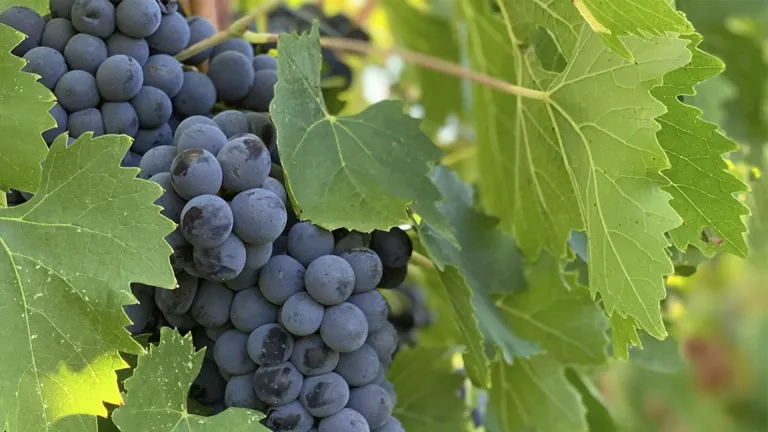
Exploring the De Chaunac Grape Varietal: A Bold Choice for Wine Lovers
Discover the unique characteristics of the De Chaunac grape and why it’s a bold choice for wine enthusiasts. Dive into this distinctive grape!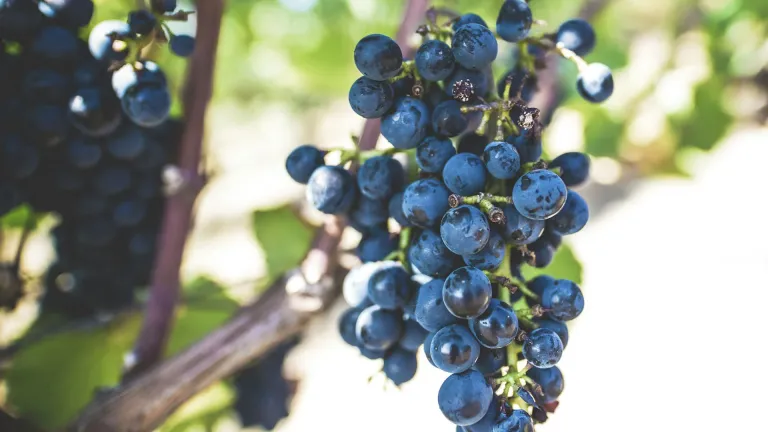
Discovering the Petite Pearl Grape: A Wine Lover's Guide
Explore the unique flavors of the Petite Pearl grape varietal and enhance your wine knowledge, with our comprehensive guide!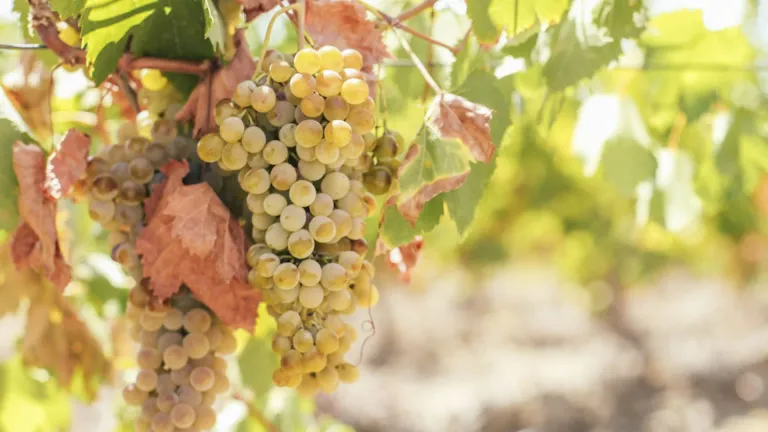
Exploring the Ortega Grape: A German Rising Star
Discover the Ortega grape varietal and its potential in British wines. Learn about its unique characteristics and why it’s gaining popularity!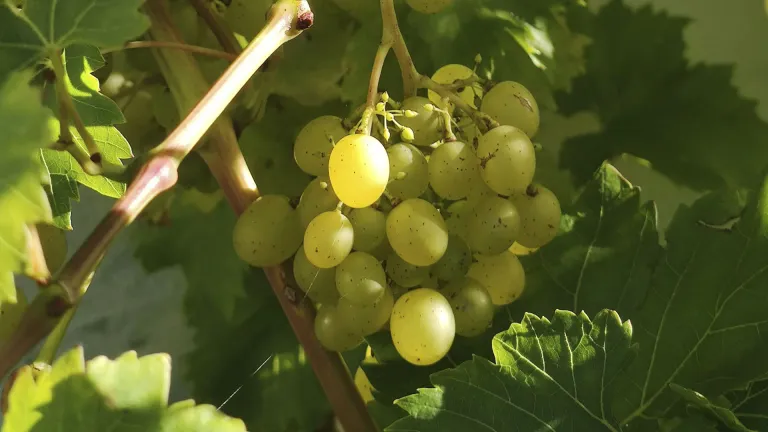
Explore the Madeleine Angevine Grape: A Wine Lover's Guide
Discover the unique flavors and characteristics of the Madeleine Angevine grape. Enhance your wine knowledge and find your next favorite bottle!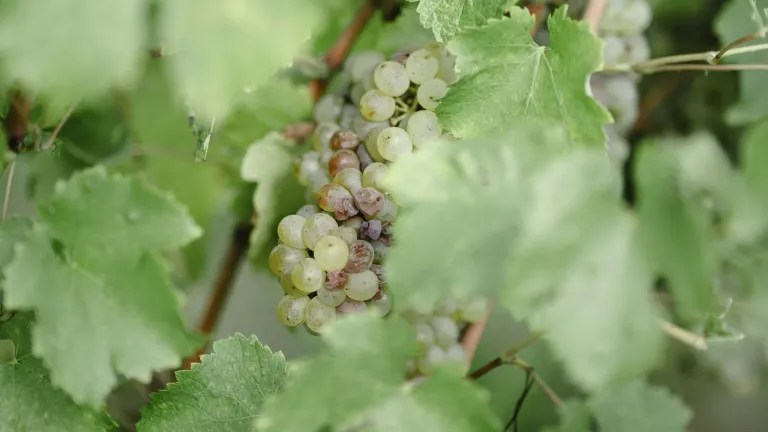
Discover the Fiano Grape: Everything You Need to Know
Discover the Fiano grape's rich history, unique flavors, and perfect food pairings. Dive into the world of this exquisite and unique varietal!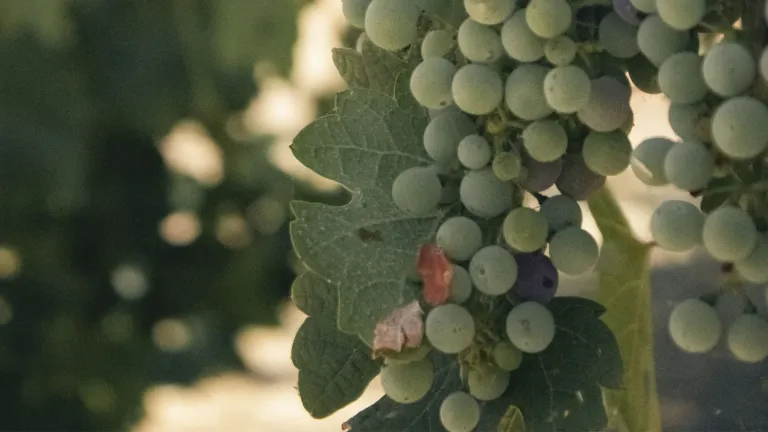
Vermentino (Rolle) Grape Varietal: Everything You Need to Know
Discover the versatility of Vermentino, the perfect grape for any occasion. Learn about its flavor profiles and pairing tips in our latest article!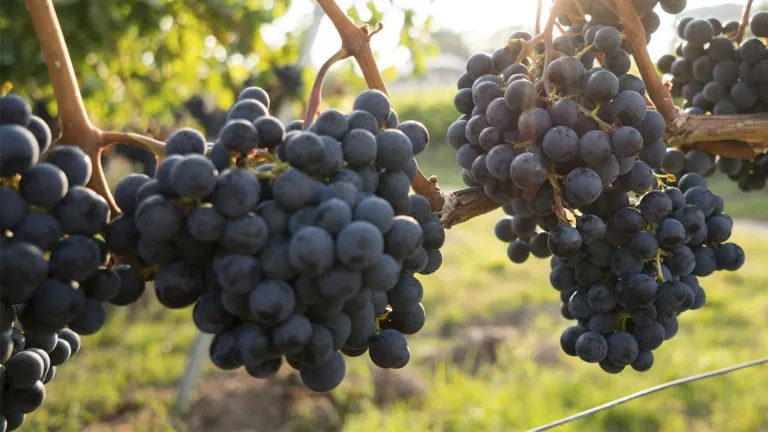
The Carignan Grape Varietal: A Guide to Its Best Characteristics
Discover the unique traits of the Carignan grape varietal, from its rich flavors to ideal pairings, and enhance your wine knowledge!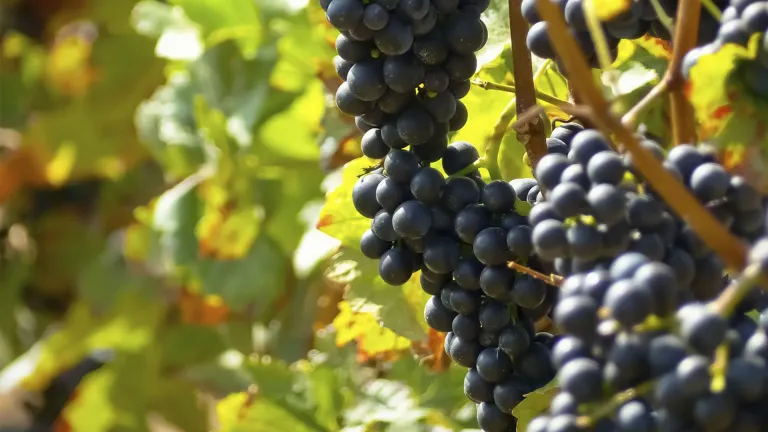
Mourvèdre Grape Varietal: A Comprehensive Guide to Its Rich Flavors
Discover the rich flavors of Mourvèdre, its origins, and food pairings. Dive into this comprehensive guide to enhance your wine experience!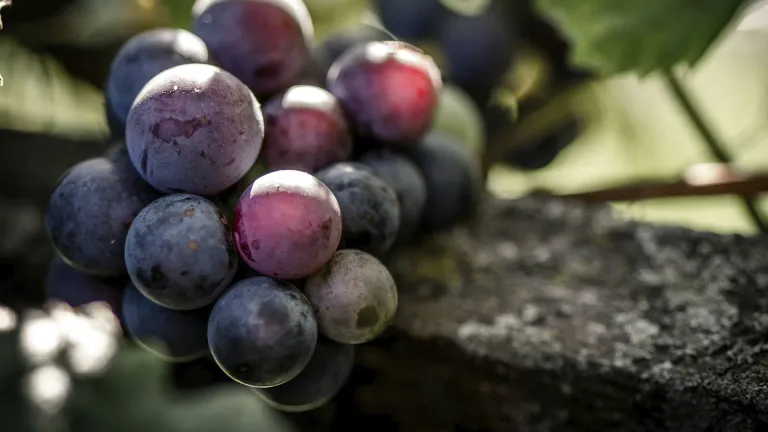
Discover the Aglianico Grape Varietal: Flavor Profile and Pairing Tips
Explore the Aglianico grape's rich flavor profile and discover perfect and surprising pairing tips to elevate your wine experience!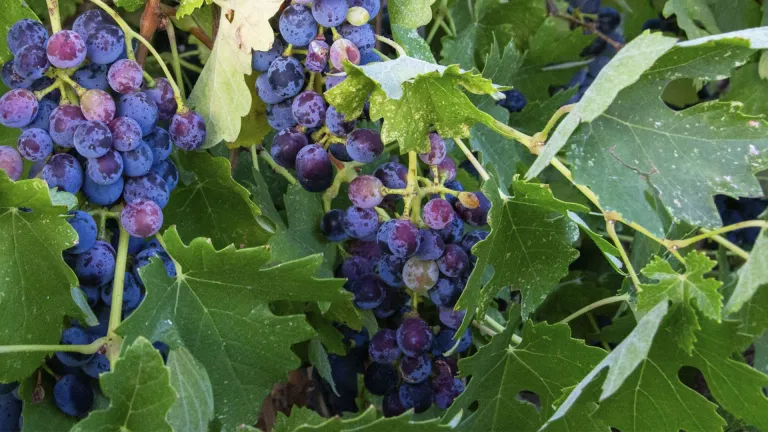
Exploring the Petite Syrah Grape Varietal: Characteristics and Pairing
Discover the unique characteristics of the Petite Syrah grape and learn the best food pairings to enhance your tasting experience!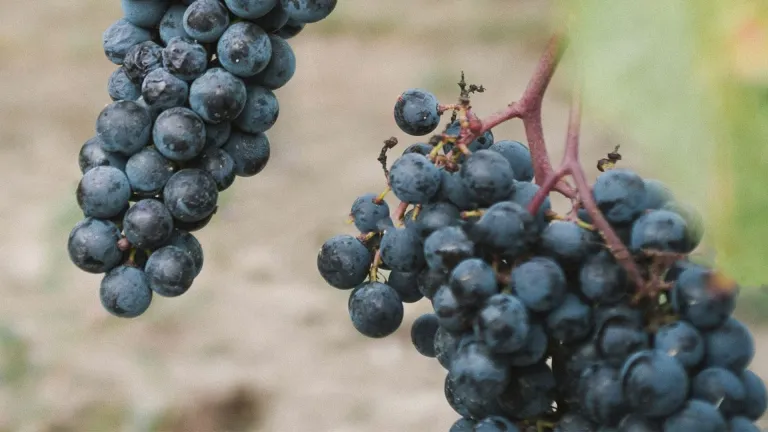
Exploring the Dechaunac Grape Varietal: Flavor, Benefits, and Pairings
Discover the Dechaunac grape varietal's unique flavor profile, health benefits, and perfect food pairings!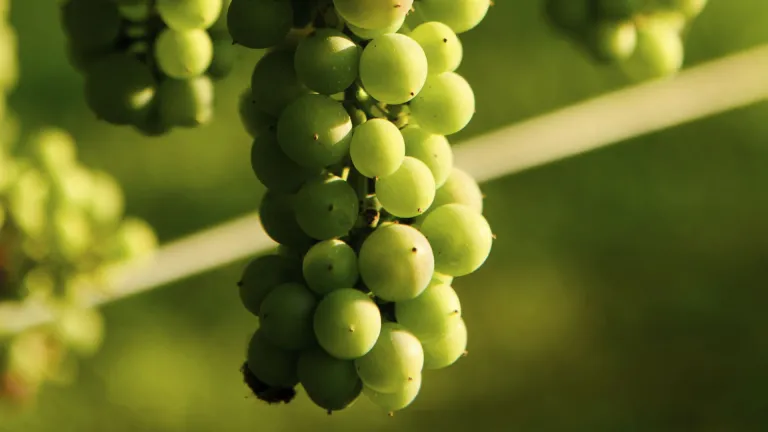
Understanding the Niagara Grape Varietal: Flavor and Characteristics
Explore the Niagara grape varietal's unique flavors and characteristics. Discover its taste profile and ideal pairings!
The Best Uses and Characteristics of the Marechal Foch Grape Varietal
Discover the unique characteristics and versatile uses of the Marechal Foch grape. Explore its flavor profile and food pairings!
Discovering the Traminette Grape Varietal: Flavor and Profile Insights
Explore the unique flavor profile of the Traminette grape. Learn its characteristics and culinary pairings. Dive into the world of Traminette today!
Exploring the Seyval Blanc Grape Varietal: Characteristics and Flavors
Discover the unique characteristics and flavors of Seyval Blanc grapes. Learn how this varietal can enhance your wine experience. Read more!
Exploring the Unique St Pepin Grape Varietal and Its Flavor Profile
Discover the St Pepin grape varietal, its unique flavor profile, and how it stands out in the world of wine. Dive into this article for insights!
Exploring the Marquette Grape Varietal: Everything You Need to Know
Discover the Marquette grape's unique characteristics and benefits for winemaking. Learn how this varietal can enhance your vineyard's offerings.!
Exploring the Frontenac Grape Varietal: A Midwest Gem for Wine Lovers
Discover the Frontenac grape, a unique Midwest varietal that delights wine lovers. Learn about its traits, flavors, and perfect pairings
Exploring the Petit Verdot Grape Varietal: Main Characteristics and Styles
Discover the unique characteristics and diverse styles of the Petit Verdot grape. Learn how this varietal can elevate your wine experience!
Exploring the Unique Characteristics of the Baco Noir Grape Varietal
Discover the distinct traits of the Baco Noir grape, from its flavor profile to ideal growing conditions. Dive into this unique varietal today!
Exploring the Torrontés Grape Varietal: A Guide to Its Unique Flavors
Discover the distinct flavors of the Torrontés grape varietal and learn how to appreciate its unique characteristics. Read the article for insights!
Discover the Albariño Grape Varietal: Everything You Need to Know
Explore the Albariño grape varietal to elevate your wine experience, and find the perfect choice for your next tasting adventure. Read more!
Exploring the Carménère Grape Varietal: Flavor, History, and Pairings
Discover the rich flavors, history, and perfect pairings of the Carménère grape. Dive into our article for a comprehensive guide on this unique grape!
Sangiovese Grape: Characteristics, Varieties, and Food Pairings
Discover the Sangiovese grape's unique characteristics, diverse varieties, and perfect food pairings. Explore this iconic Italian varietal!
The Essential Guide to the Gamay Grape Varietal
Discover the world of Gamay grapes, from flavor profiles to food pairings. Dive into our essential guide and enhance your wine knowledge today!
Guide to the Vidal Grape Varietal: Characteristics and Uses
Discover the Vidal grape's unique characteristics and versatile uses in winemaking. Enhance your knowledge and elevate your tasting experience!
Exploring the Voskehat Grape Varietal: A Taste of Armenia's Heritage
Discover the Voskehat grape, a key player in Armenia's wine heritage. Learn about its unique flavors and cultural significance!
Exploring the Kangun Grape Varietal: A Taste of Armenian Heritage
Discover the unique flavors and rich history of the Kangun grape varietal, a gem of Armenian heritage. Dive into this distinctive grape variety!
Exploring the Alibernet Grape Varietal: A New Favorite in Winemaking
Discover the Alibernet grape varietal, its unique characteristics, and why it's gaining popularity in winemaking! Read more here
Exploring the Devin Grape Varietal: Characteristics and Wine Profiles
Discover the Devin unique characteristics and wine profiles. Learn how its flavors can enhance your next wine experience. Read more!
Exploring the Dunaj Grape Varietal: Characteristics and Flavor Profile
Discover the unique characteristics and flavor profile of the Dunaj grape varietal. Dive into its potential to craft expressive and unique wines!
Exploring the Welschriesling Grape Varietal: Characteristics and Uses
Discover the versatile characteristics and uses of the Welschriesling grape. Dive into its profile and find the perfect pairing for your next meal!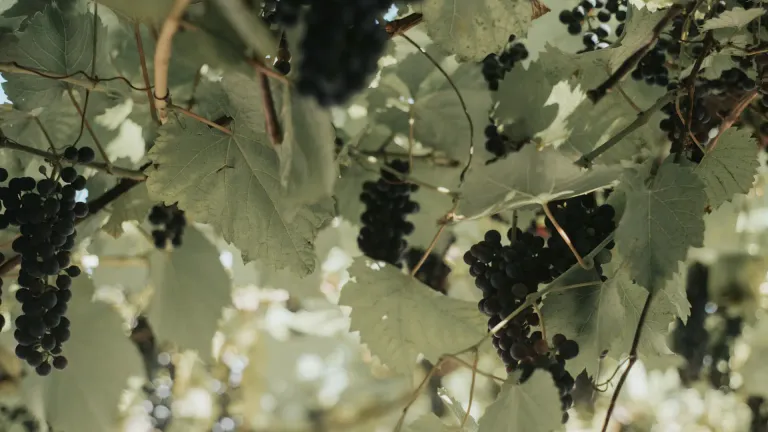
Exploring the Saint Laurent Grape Varietal: A Hidden Gem in Winemaking
Discover the unique characteristics of the Saint Laurent grape varietal and its potential in winemaking. Learn more about this hidden gem today!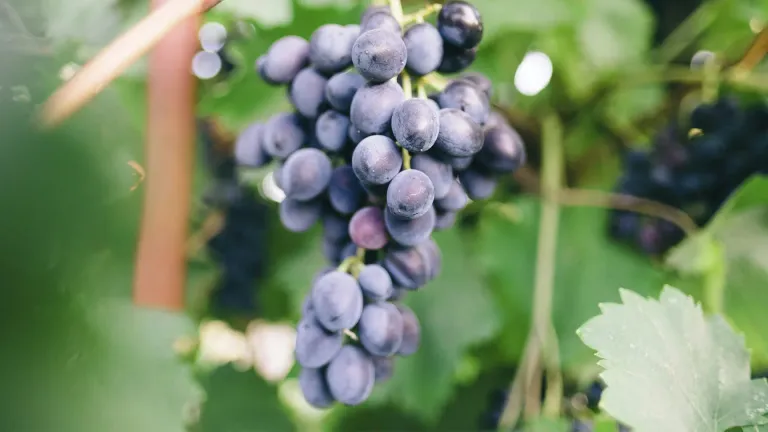
Discover the Best Characteristics of the Blauer Portugieser Grape Varietal
Discover the unique qualities of the Blauer Portugieser grape varietal, from its flavor profile to ideal pairings. Enhance your wine knowledge!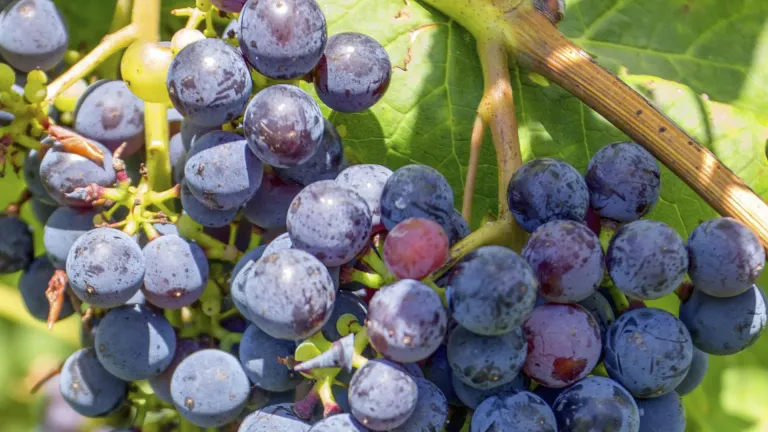
Discover the Zweigelt Grape Varietal: Austria's Rising Star Red Wine
Explore the Zweigelt grape, Austria's promising red grape. Discover its unique flavors and food pairings. Read on to enhance your wine knowledge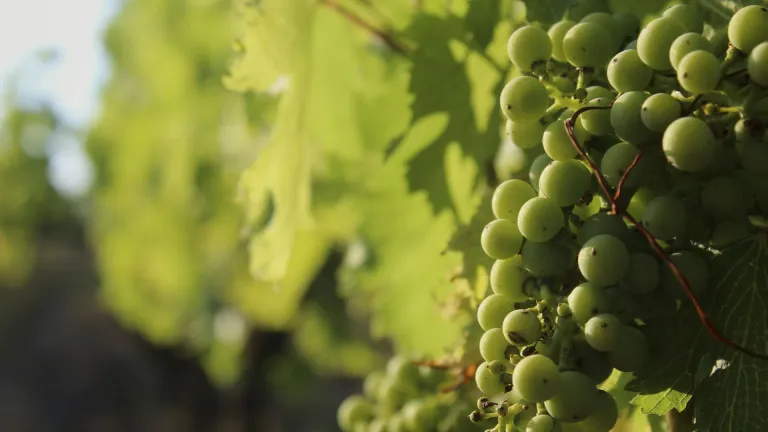
Discover the Pinot Blanc Grape Varietal: Everything You Need to Know
Meet Pinot Blanc, one of the most underrated grapes within the Pinot Family, and learn about what unique characteristics brings to the table!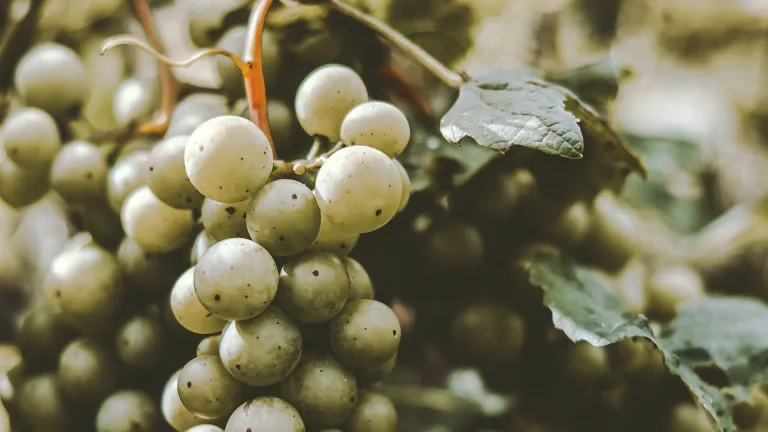
Müller-Thurgau Grape Varietal: Everything You Need to Know
Meet Müller-Thurgau, the grape that combines the intense aromas of Riesling with the early-ripening abilities of the Madeleine Royale grape!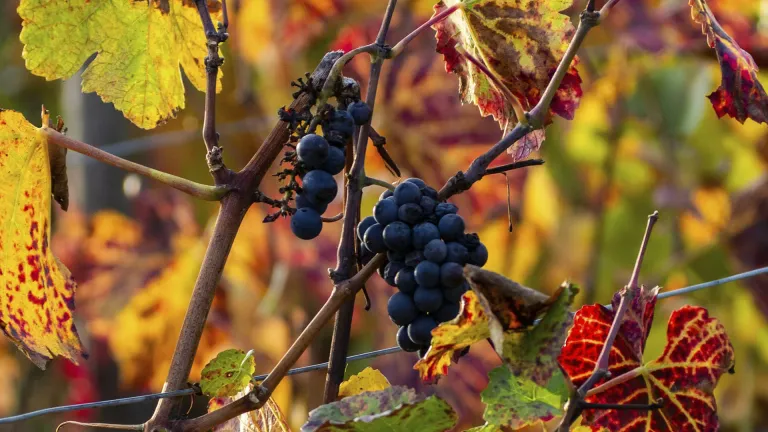
Discover the Areni Noir Grape Varietal: A Guide to Armenia’s Most Historic Wine Treasure
Meet Areni Noir, the Armenian red grape by excellence! Learn about the unique wines it produces, and why its so cheriyed within Armenia!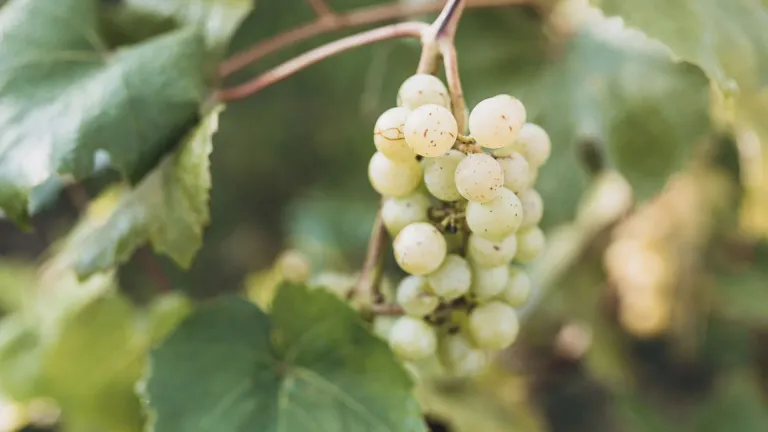
Discover the Bornova Misketi Grape Varietal: A Treasure of Turkish Viticulture
Welcome to the amazing world of Bornova Misketi! Learn about the distintive aromatic profile of the delicious Turkish wines this grape produces.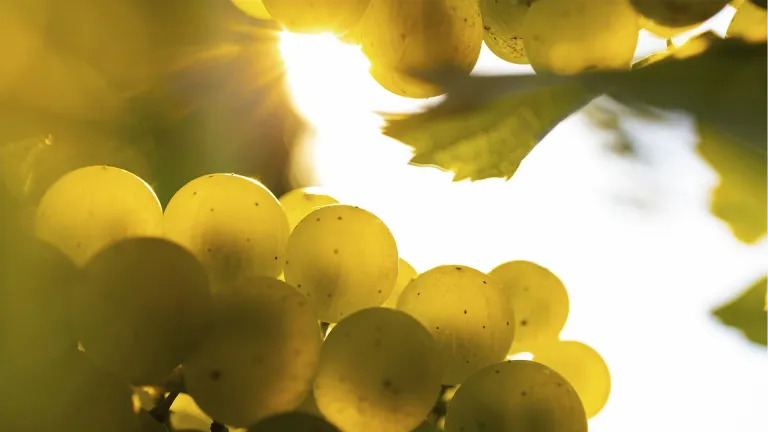
Discover the Sultaniye Grape Varietal: One of Turkey's Most Famous Indigenous Varieties
Discover the amazing Sultaniye grape, a Turkish variety that craft wines with intense red fruit aromas and a refreshing profile on the palate!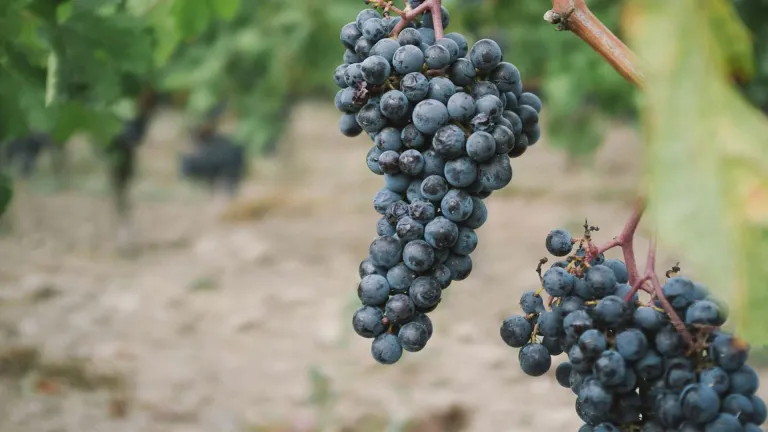
Discover Boğazkere: Turkey’s Bold Indigenous Grape Variety
Discover the powerful Boğazkere grape, a Turkish grape that crafts wines with great structure and delicious red fruit aromas!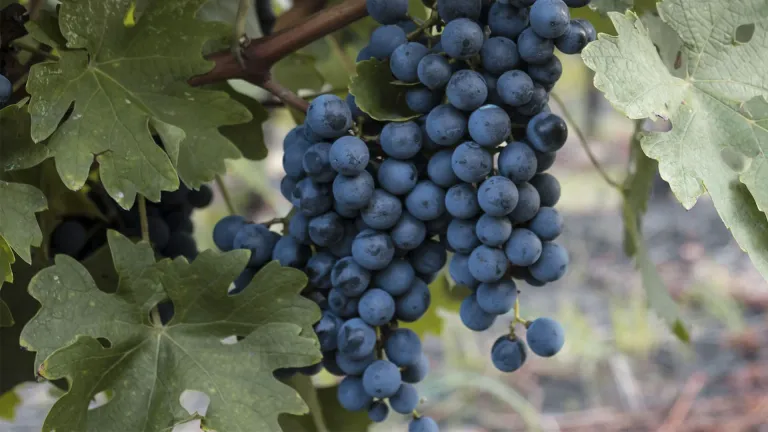
Discover Kalecik Karası: A Guide to Turkey’s Indigenous Red Grape Variety
Did you know that Kalecik Karası produces spicy and fruit forward wines? Learn more amazing facts about this Turkish grape variety!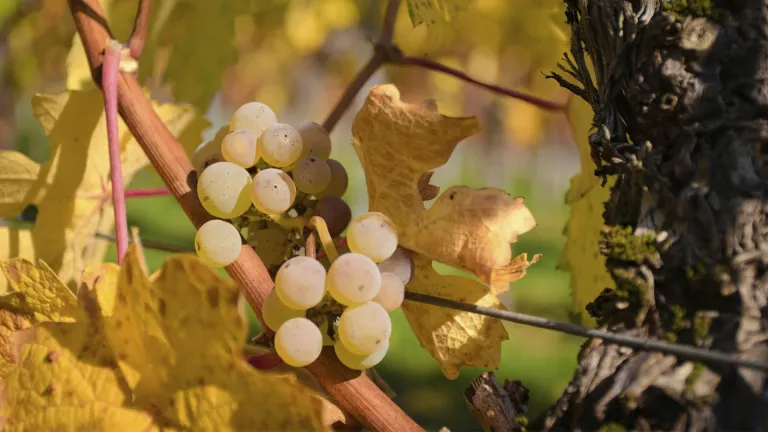
Discover Hasandede: A Guide to Turkey’s Famous Indigenous Grape Variety
Hasandede is a grape that although its not renowned worldwide crafts amazing Turkish wines. Learn about its rich history and the wines it produces!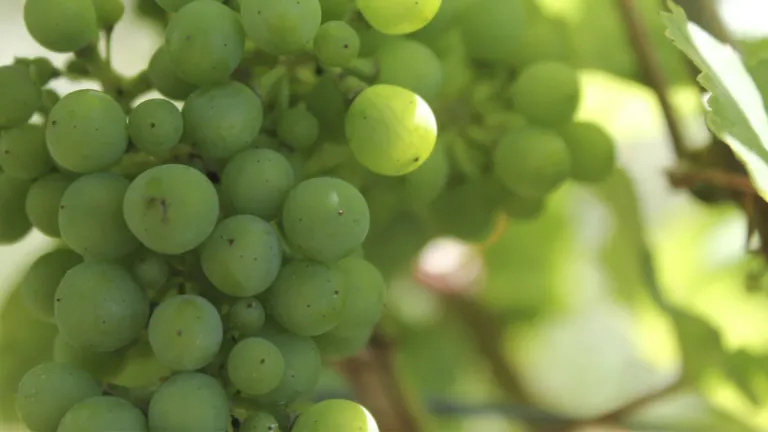
Discover Narince: One of Turkey’s Indigenous White Grape Variety
Did you know that Narince has been cultivated through generations? Learn more about this indigenous Turkish white grape!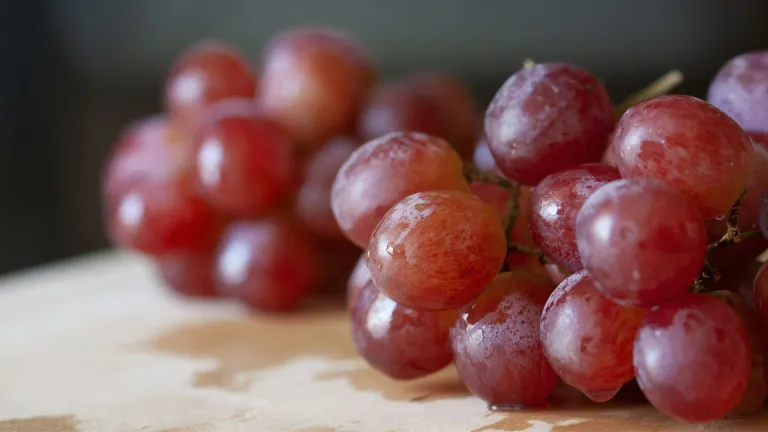
Discover Fersun: A Guide to Understanding Turkey’s Indigenous Grape Variety
Did you know that, despite its not widely know worldwide, Fersun is very popular withing Turkey? Learn more amazing facts about this grape!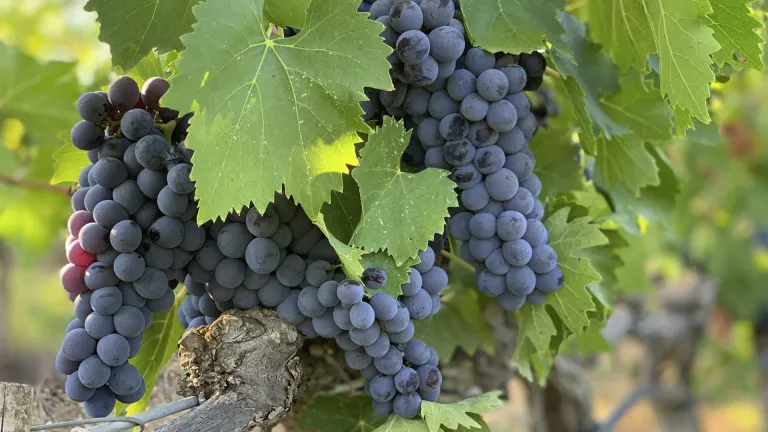
Discover the Rich Flavors of Öküzgözü: A Guide to Turkey’s Indigenous Red Grape
Did you know that Öküzgözü produce wines characterized for their intense fruity flavors? Learn more amazing facts about this Turkish grape!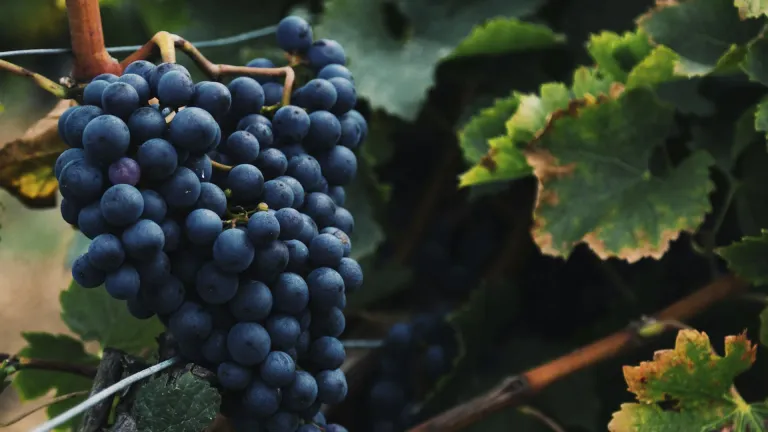
Acıkara: The Rising Star of Turkish Wine
Discover the Acikara grape, and learn about its relevance for the thriving Turkish wine industry and in which conditions it thrives!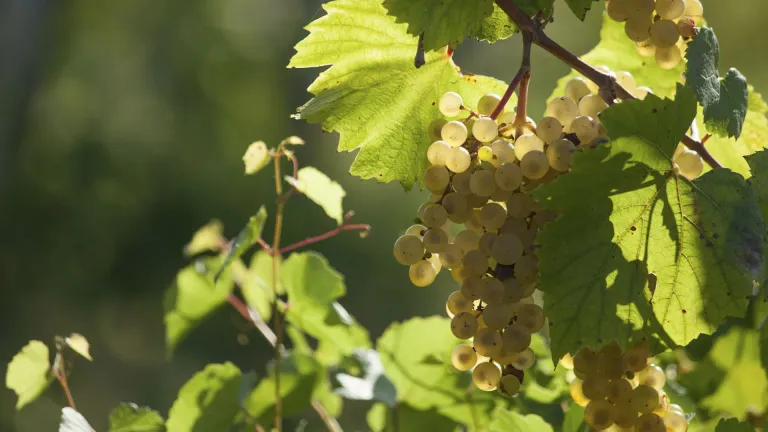
Merwah Grape: Lebanon’s Ancient and Resilient Variety
Did you know that Merwah cultivation started thousand of centuries ago, in Lebanon? Discover more amazing facts about this Lebanese grape!
The Obaideh Grape: A Guide to Lebanon’s Native Wine Variety
Did you know that Obaideh is one of the primary grapes of Lebanon? Learn about the conditions where this unique lebanese grape thrives!
Albillo: an In-Depth Grape Profile
Discover Albillo, a Spanish grape that’s been flying under the radar but is starting to turn heads in the wine world!
Verdejo: an In-Depth Grape Profile
Welcome to the world of Verdejo! Discover which are the main characteristics of this white grapes, and the regions where Verdejo shines!
Macabeo: an In-Depth Grape Profile
Unveil all the secrets of Macabeo, a white grape that has roots in the Spanish wine industry but that is also having an impact in France!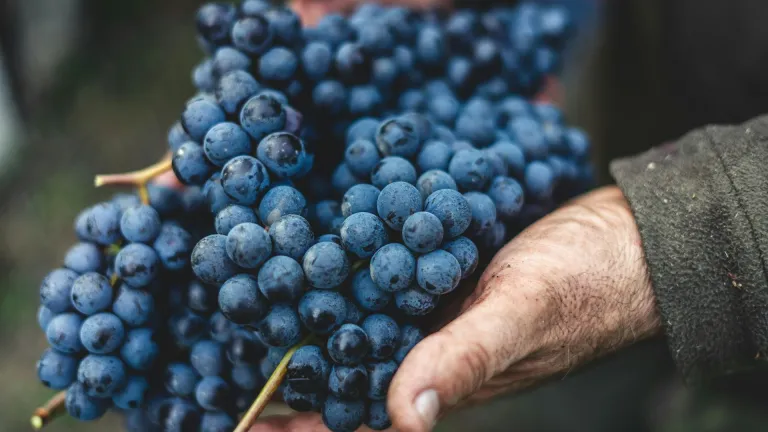
Zinfandel: an In-Depth Grape Varietal Profile
Discover Zinfandel, a grape with a lot of history that shares a genetic connection with the Croatian Tribidrag grape. Click here!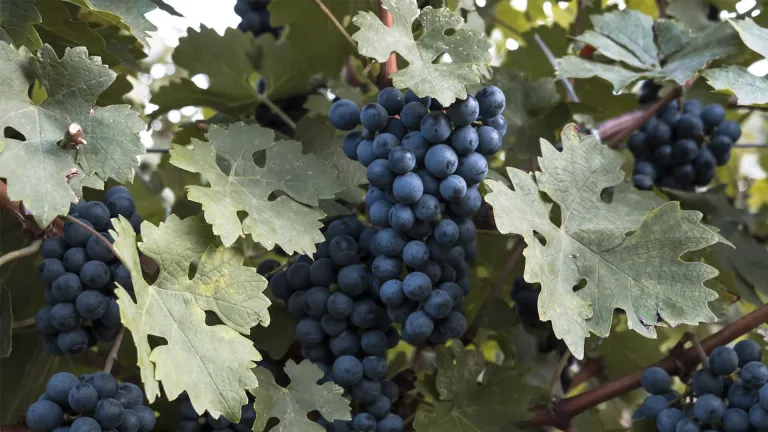
Barbera: an In-Depth Grape Varietal Profile
Discover Barbera, an Italian grape variery that is cherished for its robust flavour and adaptability to different climates. Click here!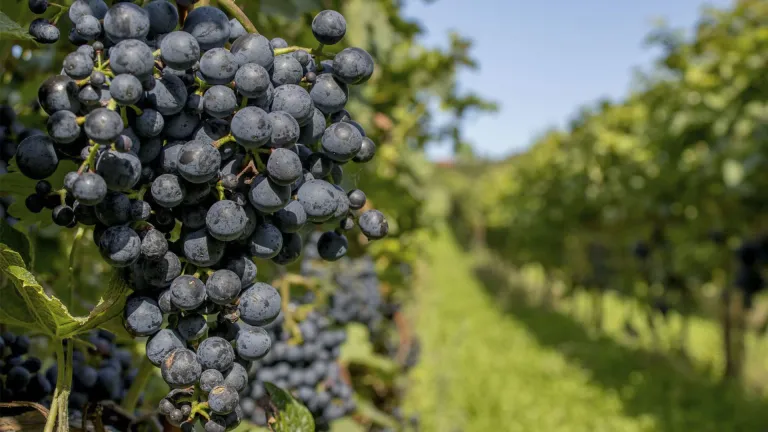
Tannat: an In-Depth Grape Varietal Profile
Discover the robust profile of Tannat, a grape known for its bold flavors and rich tannins, ideal for age-worthy reds.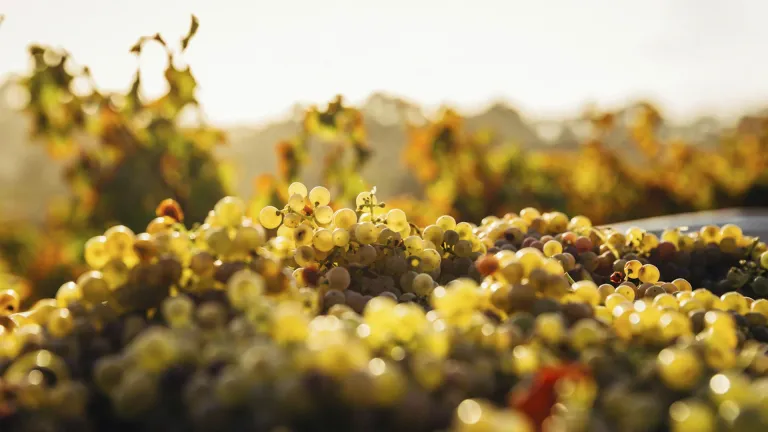
Assyrtiko: an In-Depth Grape Varietal Profile
Discover Assyrtiko, a white grape varietal that has become a symbol of Greek viticulture's distinctiveness and adaptability. Click here!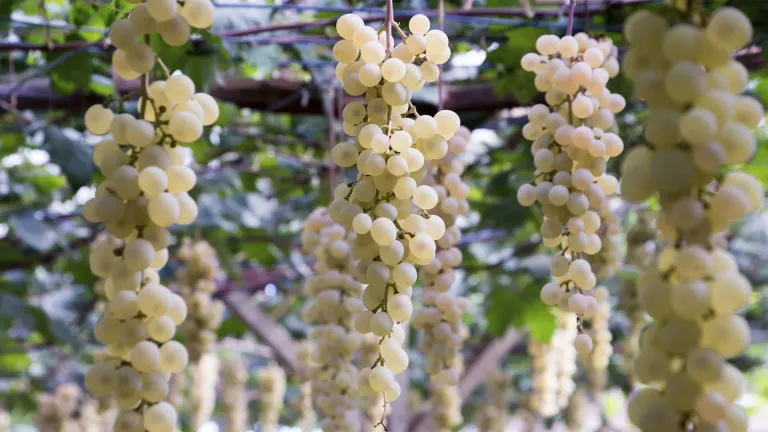
Viognier: an In-Depth Grape Varietal Profile
Learn all about the Viognier grape, from its origins to the regions that offer the ideal canvas for this grape to develop its potential!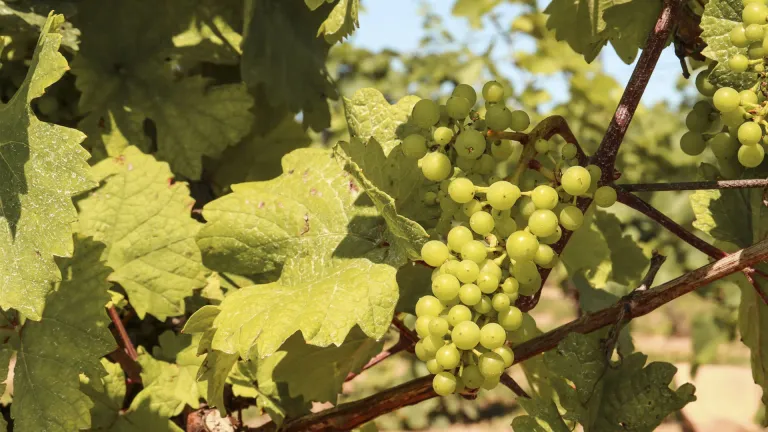
Semillon: In-depth Grape Varietal Profile
Jump straight into the world of Semillon, a grape that gives birth to fine wines, and learn about some of the most iconic Semillon wines!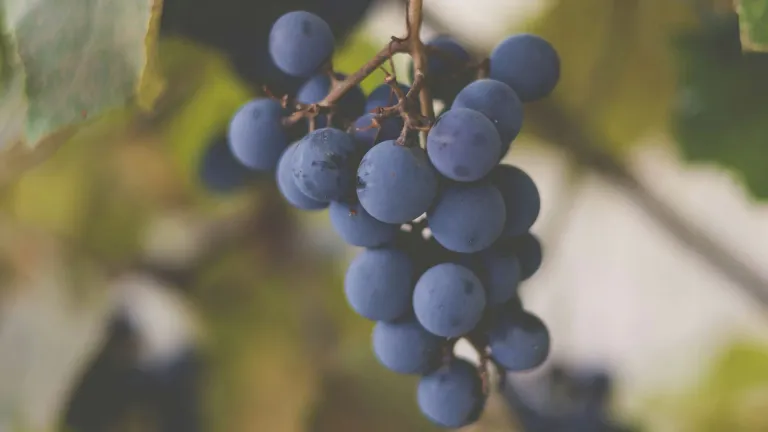
Marselan: In-depth Grape Varietal Profile
Embark on a journey through the world of the Marselan grape, a hibrid variety with an unique identity and qualities!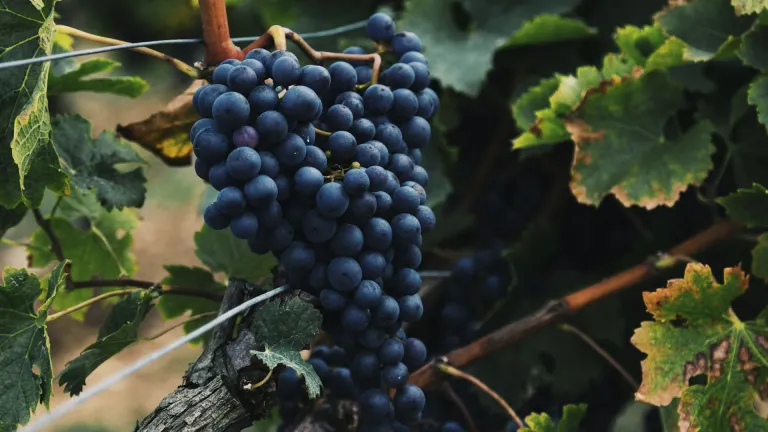
Syrah: In-depth Grape Varietal Profile
Join us on a journey throug the world of Syrah, and discover its rich history, unique characteristics and the main regions where it thrives!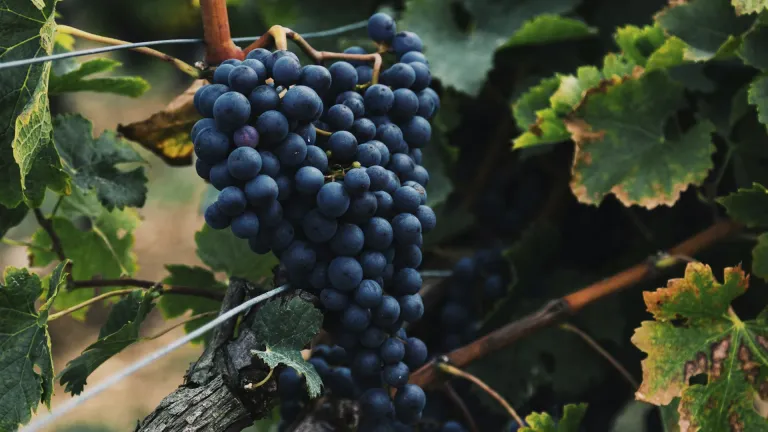
Malbec: In-Depth Grape Varietal Profile
Discover the Malbec grape varietal. Explore its history, viticultural and primary growing regions with this in-depth profile from Vinerra!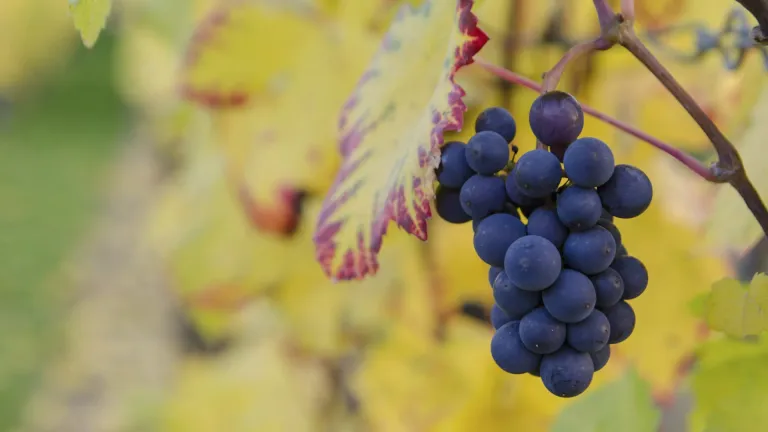
Grenache: In-Depth Grape Varietal Profile
Discover the Grenache grape varietal. Explore its history, viticultural and primary growing regions with this in-depth profile from Vinerra!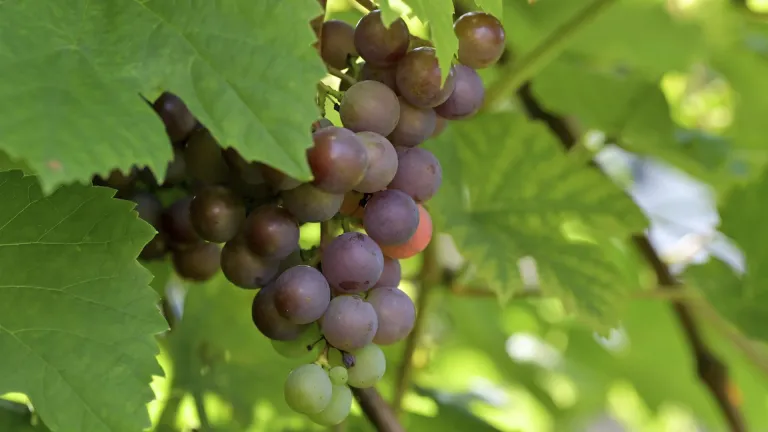
Pinot Gris: In-Depth Grape Varietal Profile
Learn about the history and most recognizable characteristics of the Pinot Gris grape with this in-depth profile!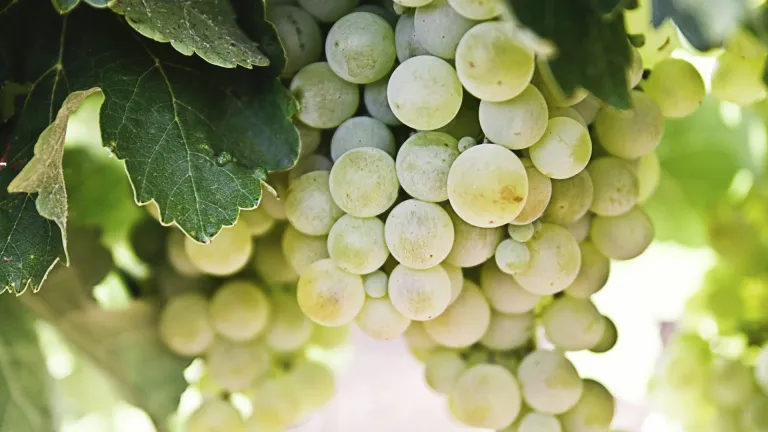
Chenin Blanc: In-Depth Grape Varietal Profile
Discover the Chenin Blanc grape varietal. Explore its history, viticultural and primary growing regions with this in-depth profile from Vinerra!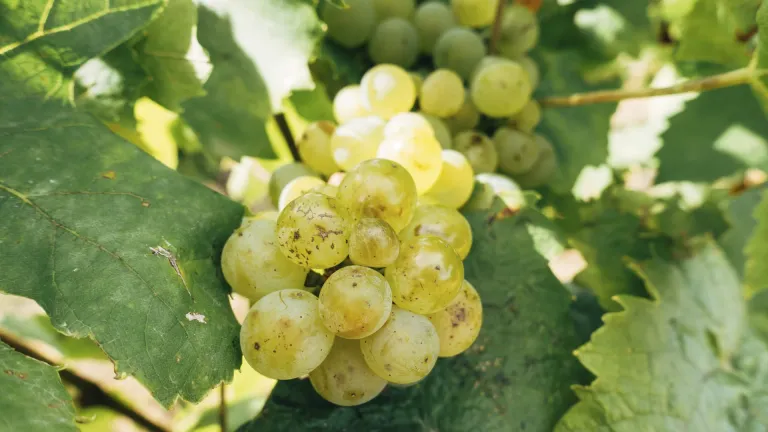
Muscat: In-depth Grape Varietal Profile
Discover the Muscat grape varietal. Explore its history, viticultural and primary growing regions with this in-depth profile from Vinerra!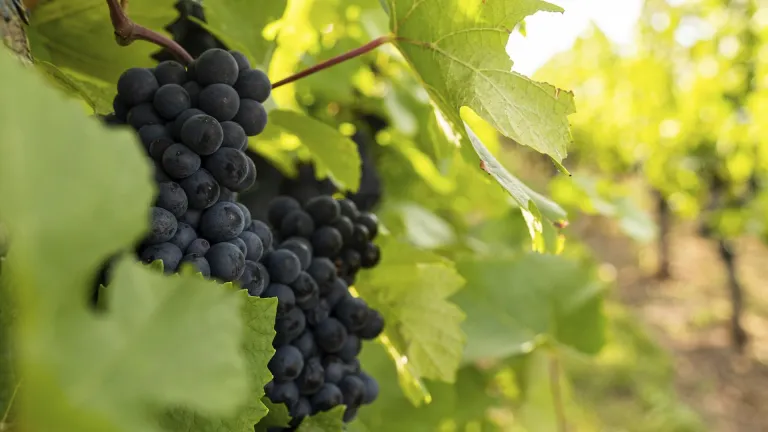
Gewürztraminer: In-Depth Grape Varietal Profile
Discover the Gewürztraminer grape varietal. Explore its history, viticultural and primary growing regions with this in-depth profile from Vinerra!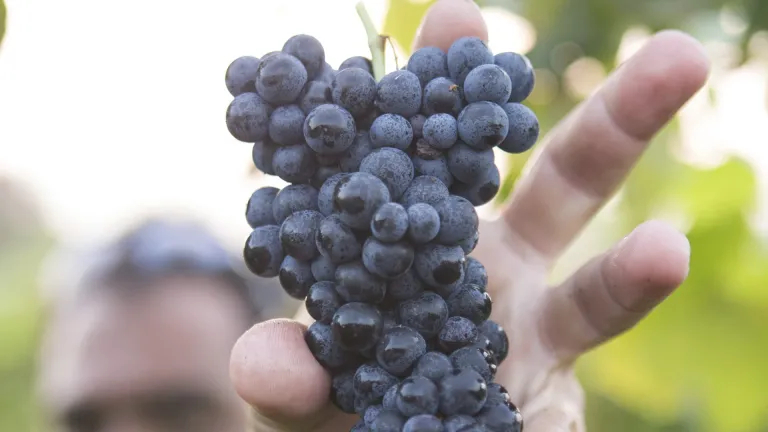
Tempranillo: In-Depth Grape Varietal Profile
Discover the Tempranillo grape varietal. Explore its history, viticultural and primary growing regions with this in-depth profile from Vinerra!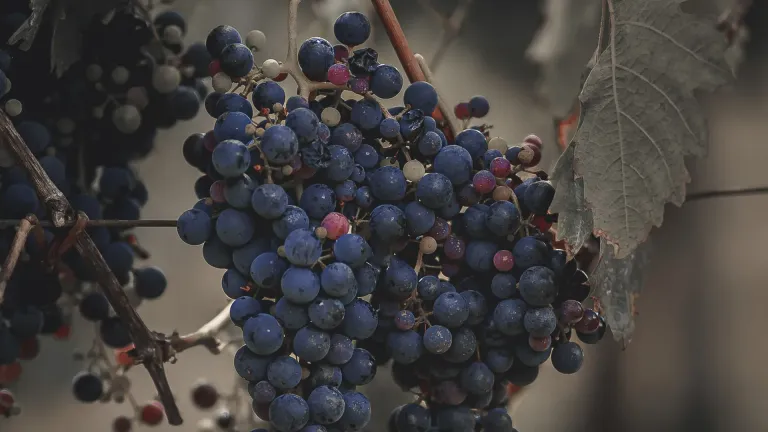
Cabernet Franc: In-Depth Grape Varietal Profile
Discover the Cabernet Franc grape varietal. Explore its history, viticultural and primary growing regions with this in-depth profile from Vinerra!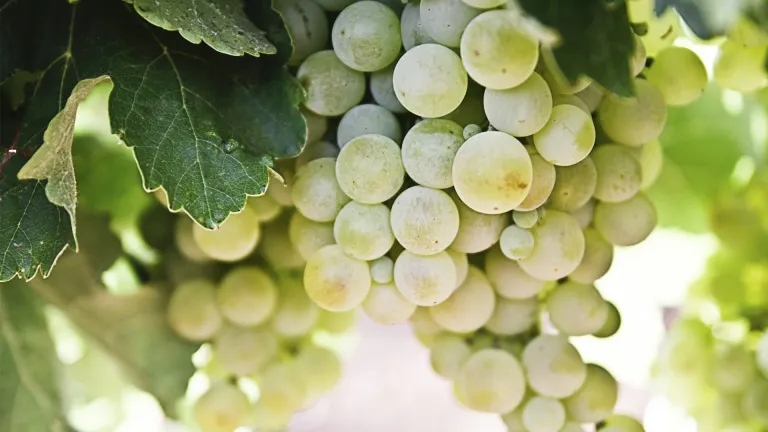
Riesling: In-Depth Grape Varietal Profile
Discover the Riesling grape varietal. Explore its history, viticultural and primary growing regions with this in-depth profile from Vinerra!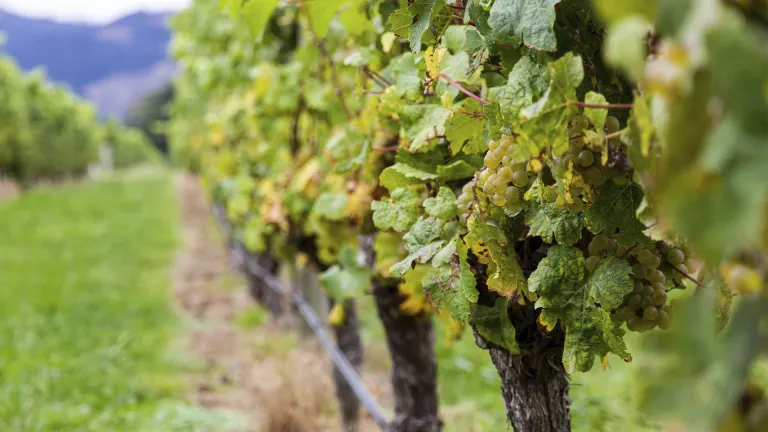
Sauvignon Blanc: In-Depth Grape Varietal Profile
Discover the Sauvignon Blanc grape varietal. Explore its history, viticultural and primary growing regions with this in-depth profile from Vinerra!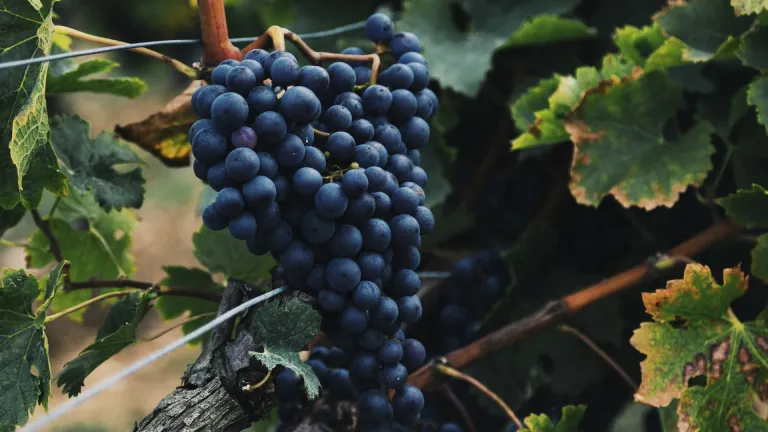
Merlot: In-Depth Grape Varietal Profile
Discover the Merlot grape varietal. Explore its history, viticultural and primary growing regions with this in-depth profile from Vinerra!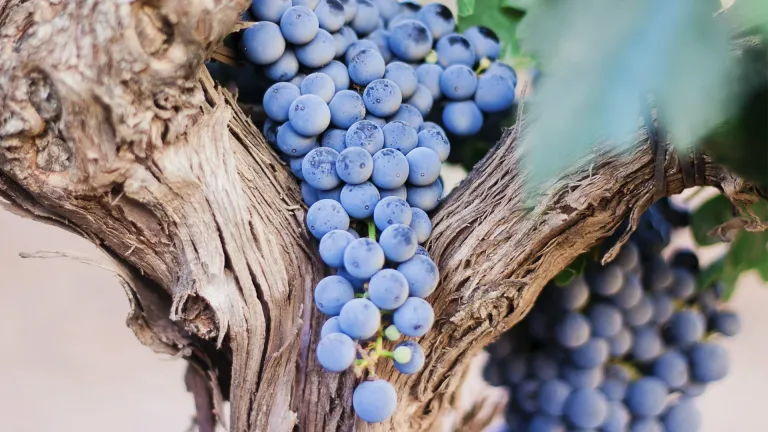
Nebbiolo: In-Depth Grape Varietal Profile
Discover the Nebbiolo grape varietal. Explore its history, viticultural and primary growing regions with this in-depth profile from Vinerra!
Pinot Noir: In-Depth Grape Varietal Profile
Discover the Pinot Noir grape varietal. Explore its history, viticultural and primary growing regions with this in-depth profile from Vinerra!
Cabernet Sauvignon: In-Depth Grape Varietal Profile
Discover the Cabernet Sauvignon grape varietal. Explore its history, viticultural and primary growing regions with this in-depth profile from Vinerra!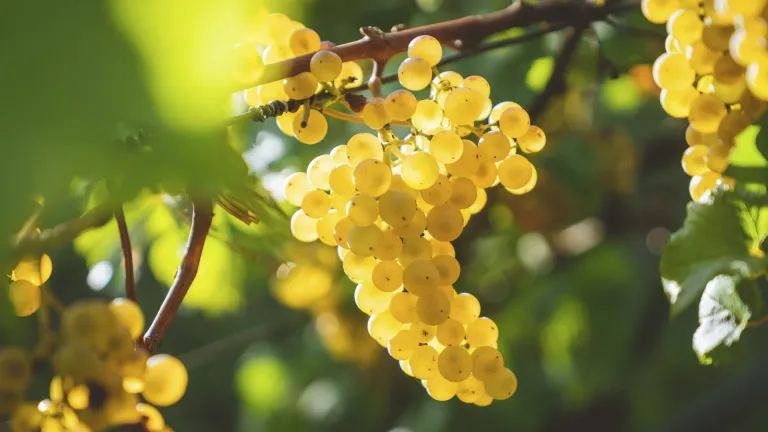
Chardonnay: In-Depth Grape Varietal Profile
Discover the Chardonnay grape varietal. Explore its history, viticultural and primary growing regions with this in-depth profile from Vinerra!

Are you interested in collaborating with us?
Get started